
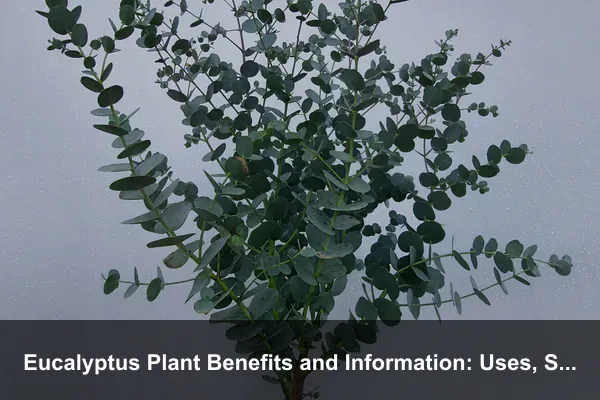
Eucalyptus is one of the most recognizable aromatic plants in the world, valued for its blue-green leaves, refreshing scent, fast growth, and many practical uses. Unlike common indoor foliage plants, eucalyptus is usually grown as an outdoor tree or shrub, harvested for cut branches, or processed into essential oil. This makes it a unique plant for gardeners, herbal enthusiasts, florists, and homeowners who want both beauty and function from a single species.
This guide to Eucalyptus plant benefits and information explains what eucalyptus is, why people grow it, how it is used, and what safety points matter most. While eucalyptus has a strong reputation in traditional plant-use culture, it should be handled wisely because the leaves and oil are potent and not suitable for every person or pet.
What Is the Eucalyptus Plant?
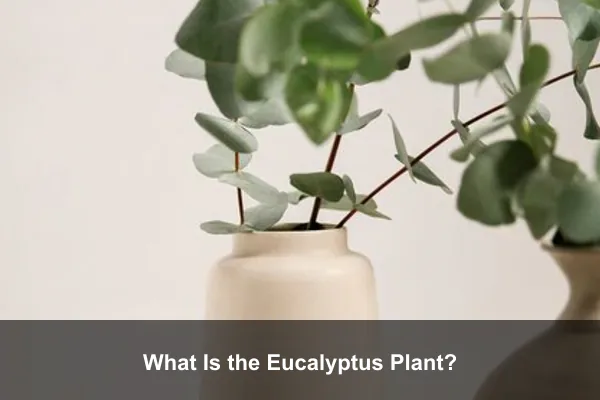
Eucalyptus is a large group of evergreen trees and shrubs native mainly to Australia, though it is now grown in many warm and temperate regions around the world. The plant belongs to the Myrtaceae family and is known for leathery leaves filled with aromatic compounds. Many species have smooth peeling bark, tall upright growth, and foliage that ranges from silvery blue to deep green.
One reason eucalyptus is so distinctive is its scent. When the leaves are crushed, they release a sharp, clean aroma often associated with spa products, herbal steam, chest rubs, and natural cleaning blends. This fragrance comes largely from compounds such as eucalyptol, also known as cineole.
Common Types of Eucalyptus
There are hundreds of eucalyptus species, but only a few are commonly grown in gardens, pots, and landscapes. Popular options include:
- Eucalyptus globulus, often called blue gum, known for strong aromatic leaves and tall growth.
- Eucalyptus cinerea, also called silver dollar eucalyptus, popular in floral arrangements.
- Eucalyptus gunnii, a more cold-tolerant type often grown for rounded juvenile leaves.
- Eucalyptus citriodora, known for its lemon-like fragrance.
- Eucalyptus pulverulenta, valued for silvery foliage used in bouquets and decor.
Key Eucalyptus Plant Benefits
The benefits of eucalyptus come from its foliage, fragrance, visual form, and usefulness in home and garden settings. It is not simply a decorative plant; it can support practical routines when used correctly.
Aromatic Freshness for the Home
Fresh eucalyptus branches are often placed in vases, bathrooms, and entryways because they provide a crisp natural scent. The aroma can make a room feel cleaner and more refreshing without relying on synthetic fragrance. Many people also hang eucalyptus in the shower, where warm steam helps release the scent from the leaves.
Useful Cut Foliage
Eucalyptus is widely used by florists because the leaves last well after cutting and pair beautifully with roses, lilies, wildflowers, and dried arrangements. Silver dollar eucalyptus and seeded eucalyptus are especially popular for weddings, table decor, wreaths, and minimalist home styling.
Garden Structure and Screening
In suitable climates, eucalyptus can grow quickly and provide height, privacy, and wind protection. Its upright form makes it useful as a landscape accent, while the evergreen foliage helps maintain year-round interest. However, gardeners should choose species carefully because some eucalyptus trees can become very large.
Essential Oil Source
Eucalyptus leaves are the source of eucalyptus essential oil, which is used in aromatherapy products, balms, soaps, cleaners, and vapor blends. The oil is highly concentrated, so it should never be treated the same as fresh leaves. It must be diluted properly and kept away from children and pets.
Traditional and Practical Uses of Eucalyptus
Eucalyptus has long been used in traditional plant-based practices, especially for refreshing scent, steam routines, and household purposes. In the context of manfaat tanaman, or plant benefits, eucalyptus is best understood as a functional aromatic plant rather than a casual edible herb.
Steam and Aroma Use
Many people use eucalyptus in steam bowls, shower bundles, or diffusers to create a cooling sensation and fresh atmosphere. The scent can feel soothing during seasonal discomfort, but it is not a replacement for medical treatment. People with asthma, allergies, pregnancy concerns, or respiratory conditions should speak with a healthcare professional before using strong essential oils.
Natural Cleaning Fragrance
Eucalyptus oil is often added to homemade cleaning blends because of its sharp, clean smell. A few diluted drops can freshen laundry, floors, or trash bins, but it should not be overused. Essential oils can irritate skin, damage some surfaces, and pose risks to pets if used carelessly.
Dried Decor and Crafts
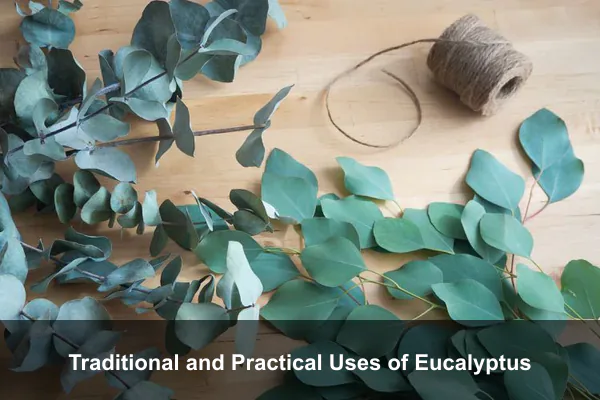
Eucalyptus dries attractively and keeps much of its shape and color. Dried stems can be used in wreaths, wall hangings, table arrangements, and natural craft projects. This makes it a practical plant for people who enjoy long-lasting botanical decor.
How to Grow Eucalyptus Successfully
Eucalyptus is generally not as forgiving indoors as snake plants, pothos, or ZZ plants. It prefers strong light, good airflow, and space for roots. For best results, treat eucalyptus as an outdoor or patio plant unless you have a very bright indoor location.
Light Requirements
Eucalyptus needs full sun for strong growth. Outdoors, aim for at least six hours of direct sunlight daily. Indoors, place it near the brightest window available, ideally south-facing in the Northern Hemisphere. Weak light often causes leggy stems, sparse leaves, and poor overall health.
Soil and Drainage
Good drainage is essential. Eucalyptus dislikes sitting in soggy soil, so use a loose potting mix and a container with drainage holes. In the garden, avoid heavy clay unless it has been improved with organic matter and drainage support.
Watering Tips
Young eucalyptus plants need consistent moisture while establishing, but mature plants are often more drought-tolerant. In pots, water when the upper layer of soil begins to dry. Avoid leaving the pot in standing water because root rot can develop quickly.
Pruning and Harvesting
Regular pruning helps control size and encourages fresh juvenile foliage, which is often the most attractive for arrangements. Cut stems with clean shears and avoid removing too much foliage at once. If growing eucalyptus in a pot, pruning is especially important to keep it manageable.
Eucalyptus Safety: What You Must Know
Eucalyptus is useful, but it must be respected. The leaves and especially the essential oil contain powerful compounds. This is where eucalyptus differs from many gentle garden herbs.
- Do not ingest eucalyptus oil. It can be toxic even in small amounts.
- Keep eucalyptus oil away from children. Accidental ingestion or direct application can be dangerous.
- Use caution around pets. Eucalyptus can be harmful to cats, dogs, and other animals.
- Always dilute essential oil. Never apply it directly to skin without proper dilution guidance.
- Avoid use near sensitive people. Strong aromas may bother people with asthma, migraines, allergies, or fragrance sensitivity.
Fresh branches used as decor are generally lower risk than concentrated oil, but they should still be kept out of reach of pets and small children. If a pet chews eucalyptus leaves or someone swallows eucalyptus oil, contact a veterinarian, poison control center, or medical professional promptly.
Eucalyptus in the Garden and Home
Eucalyptus works best when matched to the right setting. In warm climates, it can become a dramatic landscape tree. In cooler areas, it may be grown as an annual, container plant, or cut-foliage crop. For home use, smaller species or regularly pruned plants are easier to manage than large tree types.
Best Places to Use Eucalyptus
- Sunny patios where the plant receives strong light and airflow.
- Cut flower gardens for harvesting decorative stems.
- Large landscapes where roots and canopy have enough space.
- Bathrooms as temporary shower bundles, not as permanent low-light plants.
- Craft areas for drying leaves and making wreaths or arrangements.
Common Growing Problems
Yellow leaves often point to poor drainage, overwatering, or low light. Crispy leaves may indicate underwatering, dry indoor air, or root stress. If the plant stretches toward the window, it likely needs more sun. Potted eucalyptus can also become root-bound, so repotting may be needed as the plant grows.
How Eucalyptus Is Different from Other Beneficial Plants
Many plant benefit guides focus on easy houseplants, edible herbs, or flowering garden plants. Eucalyptus deserves a different angle because it sits between ornamental gardening, aromatic plant use, floristry, and essential oil production. It is not mainly grown for edible leaves, and it is not the easiest indoor plant. Its value comes from fragrance, foliage, landscape presence, and careful practical use.
Compared with lavender, rosemary, mint, or lemongrass, eucalyptus is usually stronger in scent and more tree-like in growth. Compared with indoor plants such as monstera or peace lily, it needs more direct sunlight and is less suited to dim rooms. This makes proper placement the key to success.
Conclusion
Eucalyptus is a beautiful and highly useful plant with aromatic leaves, decorative branches, landscape value, and a long history of practical use. Its clean scent, silvery foliage, and versatility make it appealing for gardens, patios, floral arrangements, steam routines, and natural home fragrance.
The most important part of understanding Eucalyptus plant benefits and information is balance. Eucalyptus can be beneficial when used thoughtfully, but its essential oil is concentrated and must be handled with care. Choose the right species, provide full sun and excellent drainage, prune regularly, and keep leaves and oil away from children and pets. With the right approach, eucalyptus can be one of the most distinctive and functional plants in a home garden collection.
