
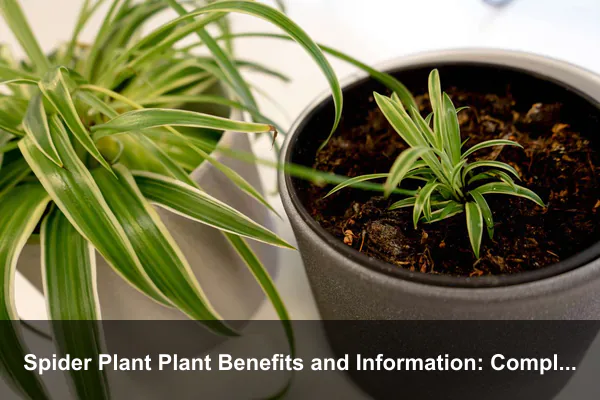
The spider plant is one of the most trusted indoor plants for homes, apartments, offices, classrooms, and beginner gardeners. Known botanically as Chlorophytum comosum, this graceful houseplant is loved for its arching green-and-white leaves, fast-growing baby plantlets, and forgiving nature. If you are searching for Spider Plant plant benefits and information, this guide explains why the spider plant remains a favorite in the world of ornamental and indoor greenery.
Beyond its attractive appearance, the spider plant offers practical benefits for everyday living. It can brighten empty corners, soften modern interiors, support a calmer atmosphere, and help new plant owners build confidence. In the niche of plant benefits, or manfaat tanaman, the spider plant stands out because it combines beauty, resilience, and usefulness without demanding complicated care.
This article covers spider plant benefits, basic plant information, care tips, propagation methods, common problems, placement ideas, and safety notes. Whether you want a low-maintenance plant for your desk or a hanging basket full of cascading foliage, the spider plant is a strong choice for both style and function.
What Is a Spider Plant?
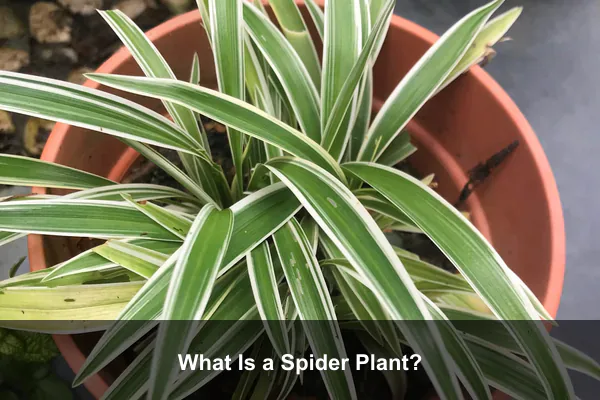
The spider plant is a perennial, clump-forming plant originally associated with tropical and southern regions of Africa. It has become widely grown around the world as an indoor ornamental plant because it adapts well to containers, indirect light, and normal household temperatures. Its long, narrow leaves grow from the center of the plant and curve outward, creating a fountain-like shape.
The common name “spider plant” comes from the small baby plants that appear on long stems. These plantlets hang below the mother plant and look somewhat like tiny spiders suspended from a web. This growth habit makes the spider plant especially attractive in hanging baskets, on shelves, or near windows where the leaves and plantlets can trail naturally.
Common Spider Plant Varieties
Several spider plant varieties are popular among indoor plant lovers. The differences are mostly in leaf color and pattern, but all share similar care needs.
- Variegatum: Green leaves with white edges, one of the most familiar spider plant types.
- Vittatum: Green leaf margins with a creamy white stripe down the center.
- Bonnie: A curly-leaved spider plant with compact, twisting foliage.
- Solid green spider plant: Less common than variegated forms, but elegant and natural-looking.
These varieties all work well as indoor plants, but variegated spider plants are especially popular because their bright leaf patterns make rooms feel lighter and fresher.
Top Spider Plant Benefits for the Home
The main reason people search for Spider Plant plant benefits and information is that this plant offers more than decoration. It is useful, beginner-friendly, and adaptable to many living spaces. While no houseplant should be treated as a replacement for ventilation, cleaning, or medical care, spider plants can still support a healthier and more pleasant indoor environment.
1. Helps Freshen Indoor Spaces
Spider plants are often discussed in relation to indoor air quality. Like many living plants, they take in carbon dioxide and release oxygen through photosynthesis. They also add moisture to the air through transpiration, which can make a room feel less dry, especially when several houseplants are grouped together.
Some studies on indoor plants have examined how certain species may help reduce specific airborne compounds in controlled settings. In real homes, the effect depends on room size, airflow, number of plants, and general ventilation. Still, the spider plant remains a smart choice for people who want to bring more living greenery into indoor spaces.
2. Low-Maintenance for Beginners
One of the strongest spider plant benefits is its forgiving nature. It can tolerate occasional missed watering, average humidity, and a range of indoor light conditions. This makes it ideal for people who are new to gardening, busy with work, or unsure whether they have a “green thumb.”
Unlike some delicate tropical plants, spider plants usually show clear signs when they need attention. Drooping leaves, pale growth, or brown tips can guide you toward better watering, light, or humidity. Because the plant responds well to small corrections, it is a useful learning plant for beginners.
3. Attractive Natural Decoration
The spider plant’s shape makes it visually flexible. It can look clean and minimal in a simple pot, lush and dramatic in a hanging basket, or cheerful on a windowsill. The striped leaves pair well with wooden furniture, white walls, neutral rooms, and colorful interiors.
Its cascading plantlets also bring movement and softness to interior design. If a room feels too hard, plain, or empty, a spider plant can add texture without overwhelming the space. This makes it especially useful for small apartments, dorm rooms, home offices, and rental homes where permanent decor changes may not be possible.
4. Easy to Propagate and Share
Spider plants produce baby plants naturally, which means one healthy plant can become many. This is one of the most enjoyable spider plant plant benefits for families, schools, and plant collectors. The plantlets can be rooted in water or soil and then grown in separate pots.
Because propagation is simple, spider plants are often shared as gifts. A baby spider plant can be a thoughtful, low-cost present for friends, neighbors, coworkers, or anyone starting their indoor plant journey.
5. Supports a Calming Atmosphere
Many people find that indoor plants create a calmer, more welcoming environment. Caring for a spider plant can become a simple routine that encourages observation, patience, and a sense of connection with nature. In busy urban homes, even one or two easy houseplants can make a room feel more balanced.
The spider plant is especially suitable for this purpose because it does not create high maintenance pressure. Its steady growth, bright foliage, and visible baby plants give owners a rewarding experience without complicated plant care demands.
Spider Plant Care Information
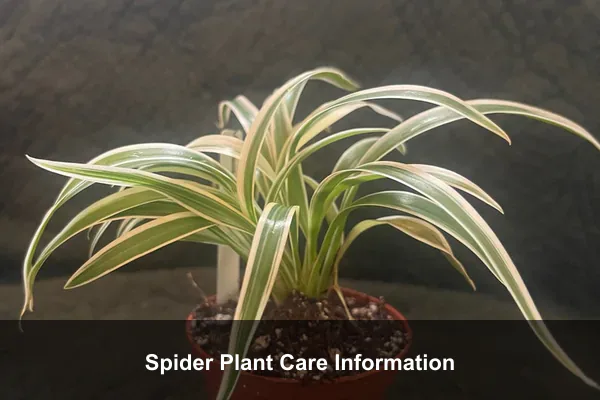
Spider plants are easy to grow, but they still perform best when given the right conditions. Good care helps the plant produce fuller leaves, stronger roots, and more plantlets. The goal is to copy the bright, filtered, moderately moist environment that spider plants enjoy.
Light Requirements
Spider plants prefer bright, indirect light. They can survive in lower light, but growth may slow and variegation may become less vibrant. Direct harsh sunlight, especially through a hot window, can scorch the leaves and create dry brown patches.
Good placement options include:
- Near an east-facing window with gentle morning light.
- A few feet away from a bright south or west-facing window.
- On a shelf in a well-lit room.
- In an office with strong indirect daylight or suitable grow lights.
If the leaves become pale, floppy, or stretched, the plant may need more light. If the leaves develop burned spots, it may be receiving too much direct sun.
Watering Needs
Spider plants like evenly moist soil but dislike sitting in water. A practical method is to water when the top inch of soil feels dry. Water thoroughly until excess drains from the bottom of the pot, then empty the saucer so the roots do not remain soggy.
Overwatering is more dangerous than slight underwatering. Constantly wet soil can lead to root rot, yellow leaves, and a weak plant. During cooler months or in low-light rooms, the plant may need less frequent watering because the soil dries more slowly.
Soil and Potting Mix
A well-draining potting mix is best for spider plants. A standard indoor plant mix usually works well, especially if it contains ingredients such as perlite, coco coir, bark, or compost. The soil should hold some moisture but still allow excess water to move through easily.
Choose a pot with drainage holes. Spider plants develop thick, fleshy roots that store water, so they can become crowded over time. Repotting every one to two years helps refresh the soil and gives the roots more space.
Temperature and Humidity
Spider plants grow well in normal indoor temperatures, generally around 65 to 80 degrees Fahrenheit. They should be protected from cold drafts, air conditioner blasts, and temperatures near freezing. Average household humidity is usually acceptable, though very dry air can contribute to brown leaf tips.
If your home is dry, you can group plants together, use a pebble tray, or run a humidifier nearby. Avoid misting as the only humidity solution, because it gives only short-term moisture and may not solve persistent dryness.
How to Propagate Spider Plants
Propagation is one of the easiest and most rewarding parts of growing spider plants. Mature plants send out long stems with small plantlets, often called spiderettes or pups. These baby plants can grow roots and become independent plants.
Water Propagation Method
Water propagation lets you watch the roots develop, which is satisfying for beginners. Choose a healthy spiderette with small root bumps at the base. Cut it from the stem using clean scissors, then place the base in a small glass of water. Keep the leaves above the waterline to prevent rot.
Change the water every few days. Once roots are a few inches long, transfer the plantlet into a small pot with well-draining soil. Keep the soil lightly moist for the first couple of weeks while the young plant adjusts.
Soil Propagation Method
You can also root spider plant babies directly in soil. Place the plantlet into a small pot filled with moist potting mix and gently press the soil around the base. Some growers leave the baby attached to the mother plant until it roots, then cut the connecting stem later.
This method reduces transplant shock because the roots begin life in soil. It also works well when you want to produce several new spider plants at once.
Division Method
Large spider plants can be divided during repotting. Remove the plant from its pot, loosen the roots, and separate the clump into smaller sections. Each section should have healthy roots and leaves. Replant the divisions in fresh soil and water them well.
Division is useful when a mature spider plant becomes too large, crowded, or root-bound. It refreshes the plant and gives you multiple full-looking plants immediately.
Common Spider Plant Problems and Solutions
Spider plants are resilient, but they can still develop issues. Most problems are related to water, light, minerals, or root conditions. The good news is that spider plants usually recover when the cause is corrected.
Brown Leaf Tips
Brown tips are one of the most common spider plant problems. They may be caused by dry air, inconsistent watering, too much fertilizer, mineral buildup in tap water, or old leaves. The plant is not necessarily dying, but it is signaling stress.
To reduce brown tips, use filtered or rainwater if your tap water is high in minerals, water consistently, avoid overfertilizing, and trim damaged tips with clean scissors if desired. Cutting the brown tip at an angle can make the leaf look more natural.
Yellow Leaves
Yellow leaves often point to overwatering, poor drainage, or low light. Check the soil before watering again. If it feels wet for many days, the potting mix may be too dense or the pot may not drain properly.
Move the plant to brighter indirect light and let the soil partially dry. If roots smell bad or look mushy, remove damaged roots and repot the plant in fresh, airy soil.
No Baby Plants
A spider plant may fail to produce babies if it is too young, kept in very low light, overfertilized, or growing in a pot that is too large. Spider plants often produce more plantlets when slightly root-bound and mature.
Give the plant bright indirect light, avoid excessive nitrogen fertilizer, and be patient. Healthy plantlets usually appear after the plant has established strong roots and consistent growth.
Pests
Spider plants are not highly pest-prone, but they may occasionally attract spider mites, aphids, mealybugs, or scale. Inspect the underside of leaves and the base of the plant if you notice sticky residue, webbing, spots, or distorted growth.
For light infestations, wipe leaves with a damp cloth and use insecticidal soap according to label directions. Isolate the affected plant until pests are controlled so they do not spread to nearby houseplants.
Best Places to Put a Spider Plant Indoors
The spider plant’s adaptable size and trailing habit make it useful in many parts of the home. Placement should balance design, light, and convenience. A beautiful location is only successful if the plant receives enough light and can be watered easily.
Living Room
A spider plant can soften the look of shelves, side tables, plant stands, and hanging planters. In a living room, it works well near bright windows where the leaves can arch naturally. If you want a relaxed, fresh look, place it where the plantlets can trail without being crowded.
Bedroom
Spider plants are popular bedroom plants because they are quiet, clean-looking, and easy to maintain. Their soft foliage adds a natural touch without strong fragrance or messy flowers. Place one near a window, on a dresser, or in a hanging basket where it receives indirect light.
Home Office
For workspaces, a spider plant adds greenery without demanding constant attention. Its bright leaves can help a desk area feel less sterile. Choose a compact variety like Bonnie for smaller desks, or place a larger plant on a shelf beside the workspace.
Kitchen or Bathroom
Kitchens and bathrooms can work if they have enough light. Bathrooms with windows may offer helpful humidity, while kitchens provide convenient access to water. Avoid placing the plant too close to heat sources, stoves, or vents.
Spider Plant Safety for Pets and Families
Spider plants are generally considered non-toxic to cats and dogs, which makes them a popular choice for pet-friendly homes. However, pets may still chew the leaves and experience mild stomach upset from eating too much plant material. Cats are sometimes especially attracted to the long, dangling leaves.
To protect both the plant and pets, place spider plants in hanging baskets, on high shelves, or in rooms where curious animals are supervised. If a pet repeatedly chews houseplants, provide safe alternatives recommended by a veterinarian and keep decorative plants out of reach.
For families with young children, spider plants are also a practical option. They do not have sharp spines, irritating sap in normal handling, or complicated care needs. Still, children should be taught not to eat houseplants and to handle leaves gently.
Spider Plant Benefits in Small Spaces
Not every home has a garden, balcony, or large plant corner. One of the most useful spider plant benefits is that it fits easily into small spaces. Its roots can grow well in containers, and its cascading habit uses vertical space rather than floor space.
In apartments, studio rooms, dormitories, and compact offices, spider plants can be placed in hanging pots, wall planters, narrow shelves, or window ledges. This makes them ideal for people who want the benefits of greenery without cluttering limited floor area.
Design Tips for Small Rooms
- Use a hanging planter near a bright window to save table space.
- Choose a compact curly variety if the room is very small.
- Pair the plant with a simple pot so the striped leaves remain the focus.
- Rotate the pot every few weeks so growth stays balanced.
- Keep long plantlets trimmed or propagated if the plant becomes too wide.
A spider plant can make a small room feel more alive without making it feel crowded. Its light-colored variegation is especially helpful in rooms that need a brighter visual accent.
Fertilizing and Seasonal Growth
Spider plants are not heavy feeders, but light fertilizing can support strong leaves and plantlet production. During spring and summer, use a balanced houseplant fertilizer at half strength once a month. Avoid overfeeding because too much fertilizer can cause brown tips, weak growth, or salt buildup in the soil.
In fall and winter, growth naturally slows as light levels decrease. During this period, reduce fertilizing or stop completely until active growth returns. Watering should also be adjusted because the plant may use less water in cooler, darker conditions.
Signs of Healthy Growth
A healthy spider plant usually has firm leaves, bright variegation, steady new growth, and a strong root system. Mature plants may produce long stems with small white flowers followed by baby plants. The flowers are modest, but they are a sign that the plant is mature and comfortable.
If growth slows, review the basics first: light, water, soil drainage, and pot size. Most spider plant problems can be improved by adjusting one of these factors.
Why Spider Plants Are Ideal for Beginners
Many indoor plant failures happen because a plant needs very specific humidity, light, or watering conditions. The spider plant is more flexible. It gives beginners enough success to stay motivated while still teaching important plant care skills.
New plant owners can learn how to check soil moisture, recognize light stress, repot a root-bound plant, remove damaged leaves, and propagate plantlets. These skills apply to many other houseplants as well, making the spider plant a useful first step into indoor gardening.
Another beginner-friendly advantage is affordability. Spider plants are widely available and easy to multiply. Even if a plant struggles, it often produces plantlets that can be rooted and grown again. This makes the learning process less intimidating.
Buying a Healthy Spider Plant
When choosing a spider plant from a nursery, garden center, or plant shop, inspect it carefully. A healthy plant should look full, upright, and evenly colored. Avoid plants with soggy soil, a sour smell, severe brown tips, pest signs, or mushy leaves.
Use this quick checklist when buying:
- Leaves are firm, not limp or transparent.
- Variegation looks clear and bright.
- Soil is slightly moist but not waterlogged.
- No visible pests, webbing, sticky residue, or cottony patches.
- The pot has drainage holes.
- Roots are not excessively circling out of the bottom.
After bringing the plant home, give it a week or two to adjust before repotting unless the soil is clearly poor or the plant is severely root-bound. Sudden changes in light, temperature, and watering can temporarily stress a new houseplant.
Conclusion
The spider plant is a classic indoor plant for good reason. It is attractive, adaptable, easy to propagate, and suitable for beginners, families, offices, and small spaces. When people search for Spider Plant plant benefits and information, they are usually looking for a plant that offers both beauty and practical value. The spider plant delivers exactly that.
With bright indirect light, well-draining soil, moderate watering, and occasional feeding, a spider plant can stay healthy for years. Its arching foliage and hanging baby plants bring a fresh natural element into the home, while its low-maintenance character makes plant care feel approachable. For anyone interested in the benefits of indoor plants, the spider plant is one of the easiest and most rewarding choices to grow.
