
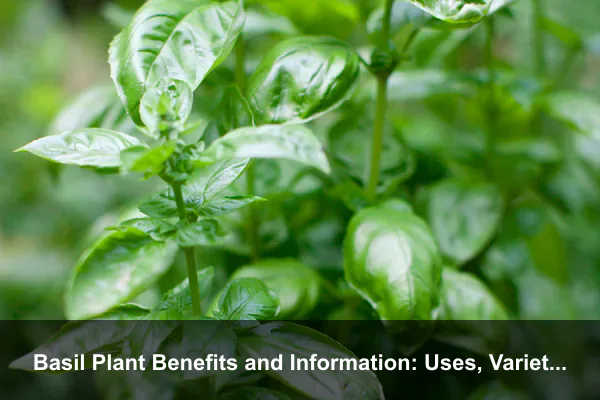
Basil is one of the most useful herbal plants you can grow at home because it combines flavor, fragrance, beauty, and practical garden value in a single compact plant. When people search for basil plant benefits and information, they are often looking for more than a simple herb description. They want to know what basil is good for, how to grow it successfully, how to use the leaves, and how to enjoy its benefits safely in everyday life.
Unlike many ornamental houseplants that are grown mainly for appearance, basil earns its place through direct daily usefulness. A healthy basil plant can supply fresh leaves for cooking, add a clean herbal scent to a balcony or kitchen garden, attract pollinators outdoors, and help beginners learn important gardening skills such as pruning, watering, and harvesting. This guide focuses on basil as an edible, aromatic, beginner-friendly herb with a distinct angle from typical indoor foliage plants.
What Is Basil and Why Is It Valuable?
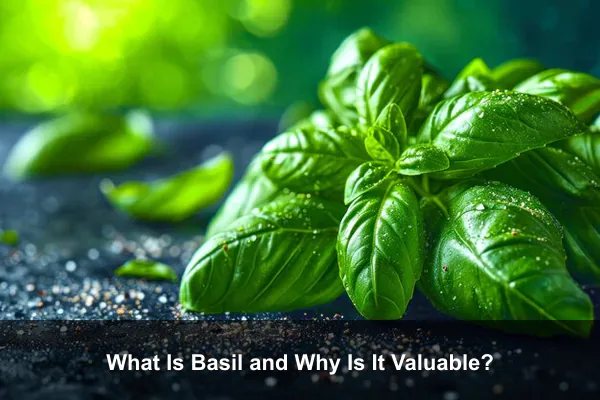
Basil is a tender herb in the mint family, botanically connected with the genus Ocimum. The most familiar culinary type is sweet basil, commonly known as Ocimum basilicum. It is famous for its soft green leaves, warm peppery aroma, and ability to transform simple foods such as tomatoes, soups, salads, pasta, rice dishes, and sauces.
Basil is usually grown as an annual in many climates, meaning gardeners often plant it, harvest it heavily during the warm season, and replant it when the weather cools. In tropical and warm regions, basil may grow longer if it is kept pruned and protected from stress. This makes it especially relevant for home gardeners in warm climates and for anyone interested in Manfaat Tanaman, or the practical benefits of plants in daily living.
The value of basil comes from three main qualities. First, it is edible and highly versatile in the kitchen. Second, it is aromatic, giving gardens and containers a refreshing herbal scent. Third, it is easy to propagate and quick to harvest, so beginners can see results faster than they would with many slower-growing plants.
Basil as a Culinary Herb
The fresh leaves are the most commonly used part of the basil plant. They are delicate, flavorful, and best added near the end of cooking to preserve their aroma. Basil can be chopped, torn, blended, infused, or used whole depending on the recipe. Its flavor is often described as sweet, peppery, slightly clove-like, and mildly minty.
Basil as a Garden Plant
In the garden, basil works well in raised beds, patio pots, balcony containers, and kitchen windowsill planters with bright light. Outdoor basil may also attract bees and other pollinators when allowed to flower. However, for leaf production, gardeners usually pinch flowers early so the plant continues producing tender foliage.
Key Basil Plant Benefits
The most important basil plant benefits are practical rather than exaggerated. Basil should not be treated as a miracle cure, but it does offer real everyday advantages as a culinary, aromatic, and garden-friendly herb. Its benefits are strongest when the plant is used as part of a balanced lifestyle, a healthy diet, and a thoughtful home garden.
Fresh Flavor for Home Cooking
The primary benefit of basil is its ability to improve food naturally. A few fresh leaves can brighten a dish without needing heavy sauces or excessive salt. Basil pairs especially well with tomatoes, garlic, lemon, olive oil, eggplant, chicken, fish, noodles, mushrooms, beans, and soft cheeses. For people who want to cook more fresh food at home, a basil plant is a low-cost flavor source that keeps producing after each harvest.
A Source of Helpful Plant Compounds
Basil contains aromatic plant compounds that contribute to its scent and flavor. These compounds vary by variety but may include linalool, eugenol, methyl chavicol, and other natural oils. Basil leaves also contain small amounts of nutrients such as vitamin K, vitamin A precursors, and minerals. Because basil is usually eaten in modest amounts, it should be viewed as a flavorful herb that supports dietary variety, not as a replacement for vegetables, supplements, or medical care.
Aromatic Value for the Home and Garden
Healthy basil leaves release a clean, herbal fragrance when brushed, harvested, or gently crushed. This makes basil pleasant near outdoor seating areas, kitchen doors, and sunny balconies. Its aroma is one reason basil is often included in sensory gardens, edible landscapes, and small-space herb collections.
Pollinator Support When Allowed to Flower
If you let a basil plant bloom, it can produce small flowers that attract bees and other beneficial insects. This is useful in vegetable gardens where pollinator activity can improve productivity. The tradeoff is that flowering often changes the leaf texture and flavor, so many gardeners grow more than one basil plant: one for constant leaf harvest and another to flower for pollinators.
Beginner-Friendly Gardening Experience
Basil is fast enough to teach new gardeners what plants need. If it lacks water, the leaves wilt quickly. If it lacks light, the stems stretch. If it is pruned correctly, it grows bushier. These clear responses make basil an excellent learning plant for children, new gardeners, and anyone starting a small herb garden.
- For cooks: basil provides fresh flavor within arm’s reach.
- For gardeners: basil teaches pruning, watering, and harvesting skills.
- For small spaces: basil grows well in containers and sunny balconies.
- For outdoor gardens: flowering basil can support pollinators.
- For plant lovers: basil adds scent, texture, and edible value.
Popular Basil Varieties and Their Uses
One reason basil is so interesting is that not all basil tastes the same. Different varieties offer different leaf shapes, colors, aromas, and culinary uses. Choosing the right variety helps you match the plant to your cooking style, climate, and garden space.
Sweet Basil
Sweet basil is the classic basil for pesto, pasta, tomato salads, pizza, and Mediterranean-style dishes. It has broad green leaves and a balanced flavor that is sweet, peppery, and aromatic. If you are growing basil for the first time, sweet basil is usually the best starting point.
Genovese Basil
Genovese basil is a famous Italian type often preferred for pesto because of its large tender leaves and strong fragrance. It benefits from frequent harvesting and steady warmth. For best flavor, harvest young leaves before the plant flowers.
Thai Basil
Thai basil has a stronger anise-like flavor and often holds up better in warm dishes than sweet basil. It is commonly used in stir-fries, curries, noodle soups, and Southeast Asian cooking. The purple stems and narrow leaves also make it attractive in edible gardens.
Lemon Basil and Kemangi Context
Lemon basil has a bright citrus aroma and is popular in several Asian cuisines. In Indonesian food culture, the herb commonly called kemangi is often associated with fresh salads, sambal, grilled dishes, and aromatic side servings. While names can vary by region and species, this context is useful because it shows basil’s role as both a flavoring herb and a fresh edible plant in daily meals.
Purple Basil
Purple basil is grown for both flavor and color. Its deep burgundy leaves look striking in salads, herb vinegar, and container gardens. The flavor can be slightly spicier or more clove-like than sweet basil, depending on the variety.
How to Grow Basil Successfully
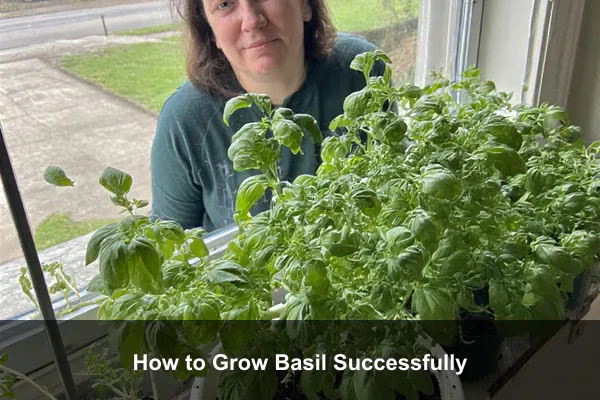
Growing basil is simple when you understand its basic preferences. Basil likes warmth, bright light, consistent moisture, and regular harvesting. Most problems happen when the plant is kept too cold, too wet, too shaded, or left unpruned for too long.
Light Requirements
Basil grows best with plenty of bright light. Outdoors, it usually performs well with six or more hours of sun per day. In very hot climates, morning sun with light afternoon shade can prevent leaf scorch and water stress. Indoors, basil needs the brightest window available, and in many homes it grows better with a grow light because ordinary indoor light may be too weak.
Soil and Potting Mix
Use a loose, well-draining potting mix for container basil. The soil should hold some moisture but should not stay soggy. A pot with drainage holes is essential because basil roots can suffer in waterlogged soil. In garden beds, improve heavy soil with compost and organic matter so the roots can breathe and spread.
Watering Basil
Basil prefers consistent moisture. Water when the top layer of soil begins to feel dry, then water deeply until excess drains away. Avoid letting the plant wilt repeatedly because stress can reduce leaf quality. At the same time, do not leave basil sitting in standing water. The goal is evenly moist soil, not swampy soil.
Temperature and Weather
Basil is sensitive to cold. It grows best in warm conditions and can decline quickly if exposed to chilly nights. Plant basil outdoors after cold weather has passed. If you grow basil in a pot, you can move it to a protected location during heavy rain, strong wind, or sudden temperature drops.
Planting Basil from Seeds, Cuttings, or Starter Plants
You can start basil in several ways. Seeds are affordable and give you many plants. Cuttings are fast if you already have a healthy basil stem. Starter plants from a nursery are convenient when you want an immediate harvest. Each method works, but the best choice depends on your patience, budget, and growing conditions.
Growing Basil from Seed
Basil seeds germinate best in warm soil. Sow them shallowly because they do not need to be buried deeply. Keep the seed-starting mix moist but not soaked. Once seedlings develop several true leaves, thin them so each plant has enough space and airflow. Crowded seedlings stretch, weaken, and become more vulnerable to disease.
Growing Basil from Cuttings
Basil can root from stem cuttings. Choose a healthy non-flowering stem, remove the lower leaves, and place the stem in water or moist potting mix. Roots often appear quickly in warm conditions. Once roots are established, transplant the cutting into a pot and give it bright light.
Using Nursery Starter Plants
Starter plants are useful for beginners because they shorten the waiting time. When buying basil, choose compact plants with deep green leaves, sturdy stems, and no signs of pests. Avoid plants that are already flowering heavily unless you plan to use them immediately, because flowering plants may become woody and less productive.
- Choose a sunny growing location with good airflow.
- Use a pot with drainage holes or a prepared garden bed.
- Plant basil in warm conditions after cold risk has passed.
- Water consistently and avoid soggy soil.
- Pinch the growing tips early to encourage branching.
Pruning and Harvesting for More Leaves
Pruning is one of the most important basil care skills. Many beginners pick only a few lower leaves, but this can leave the plant tall, thin, and weak. The better method is to harvest from the top by cutting just above a pair of leaf nodes. This encourages the plant to branch and become fuller.
When to Start Harvesting
You can begin light harvesting once the plant has several sets of healthy leaves. Do not remove too much from a tiny seedling. As the plant becomes stronger, harvest more frequently. Regular harvesting tells the basil plant to keep producing new growth instead of rushing into flowers.
How to Cut Basil Correctly
Look for a stem with pairs of small leaves emerging from the nodes. Cut above a node, leaving enough growth for the plant to recover. Within days, new branches often develop from that point. This is how a single upright stem becomes a bushier, more productive plant.
Preventing Early Flowering
Flowering is natural, but it can make basil leaves tougher or more bitter. Pinch off flower buds as soon as you see them if your main goal is leaf harvest. If you want seeds or pollinator flowers, allow one or two plants to bloom while keeping others pruned for cooking.
- Harvest in the morning after the plant has recovered from nighttime stress.
- Use clean scissors or pinch gently with clean fingers.
- Never remove all leaves at once from a young plant.
- Prune above leaf nodes to encourage branching.
- Remove flowers early for better leaf production.
Best Ways to Use Fresh Basil
Fresh basil is at its best when used quickly after harvest. The leaves bruise easily, so handle them gently. Instead of chopping basil far in advance, prepare it close to serving time. Heat can reduce its delicate aroma, so many cooks add basil near the end of cooking or use it fresh as a finishing herb.
Everyday Culinary Uses
Basil is famous in pesto, but its uses go far beyond one sauce. Add torn leaves to tomato soup, sprinkle them over fried rice, blend them into salad dressing, mix them with butter, or stir them into omelets. Lemon basil can brighten fish and grilled vegetables, while Thai basil is excellent in spicy broths and stir-fries.
Simple Basil Pairings
Basil pairs well with ingredients that balance its fragrance. Tomatoes bring sweetness and acidity. Garlic adds depth. Lemon adds brightness. Olive oil carries the aroma. Chili gives contrast. Coconut milk works beautifully with Thai basil in warm dishes. Knowing these pairings helps you use basil confidently without needing complicated recipes.
Preserving Basil
Basil can be preserved, although the texture changes. Drying is possible, but dried basil has a different flavor from fresh basil. Freezing chopped basil with a little water or oil in small portions often preserves more fresh character. Basil can also be blended into pesto and frozen for later use.
Basil Safety and Sensible Use
For most people, basil leaves used in normal food amounts are safe and enjoyable. The important distinction is between eating basil as a culinary herb and using concentrated basil essential oil, extracts, or supplements. Concentrated products can be much stronger than fresh leaves and may not be suitable for everyone.
People who are pregnant, breastfeeding, taking blood-thinning medication, managing a medical condition, or preparing for surgery should be cautious with concentrated herbal products and ask a qualified health professional before using them. Basil should not be used as a substitute for prescribed treatment. If you have allergies to plants in the mint family, introduce basil carefully and stop using it if irritation occurs.
Pet and Household Considerations
Basil is generally considered a household-friendly culinary herb, but pets should not be encouraged to chew large amounts of any plant. Keep pots stable, avoid chemical sprays on edible leaves, and wash harvested basil before using it in food. If you use pest control products, choose options labeled safe for edible herbs and follow the instructions exactly.
Common Basil Problems and How to Fix Them
Basil is easy to grow, but it reacts quickly when conditions are wrong. The good news is that these signals are usually clear. By reading the leaves and stems, you can adjust care before the plant declines too far.
Yellow Leaves
Yellow leaves may come from overwatering, poor drainage, lack of nutrients, or natural aging of older leaves. Check the soil first. If it is constantly wet, reduce watering and improve drainage. If the plant is actively growing in a small pot, it may need fresh potting mix or light feeding with a balanced fertilizer suitable for herbs.
Wilting
Wilting often means the plant is thirsty, especially in hot weather or small containers. Water deeply and move the plant out of harsh afternoon sun if it is severely stressed. If the soil is wet and the plant still wilts, root problems may be present, usually from overwatering or poor drainage.
Leggy Growth
Long, weak stems usually mean basil needs more light or more pruning. Move the plant to a brighter location and pinch the top growth to encourage branching. Indoor basil grown without enough light often becomes leggy, so a grow light can make a major difference.
Pests
Aphids, whiteflies, and mites may appear on basil, especially in crowded or stressed plants. Rinse leaves gently, improve airflow, and remove badly affected growth. For edible herbs, avoid harsh chemical sprays unless they are specifically labeled for food crops.
Where Basil Fits in a Home Garden
Basil is ideal for people who want a plant that is beautiful, useful, and productive in a small space. It fits into kitchen gardens, balcony gardens, patio containers, raised beds, and edible borders. Because it grows quickly, basil also works well as a seasonal companion plant among tomatoes, peppers, eggplants, and other warm-season crops.
In a small container garden, basil can be the central herb around which you build a practical cooking collection. Pair it with parsley, mint in a separate pot, chili, cherry tomatoes, or green onions. Just remember that each plant has its own water and light needs, so mixed containers should be planned carefully.
Best Placement Ideas
- Kitchen windowsill: useful if the window receives strong direct light.
- Balcony railing planter: good for apartments with morning sun.
- Patio pot: easy to move during extreme weather.
- Raised vegetable bed: excellent near tomatoes and peppers.
- Outdoor herb corner: practical for frequent harvesting.
Conclusion
Basil plant benefits and information are best understood through the plant’s everyday usefulness. Basil is flavorful, fragrant, fast-growing, and beginner-friendly. It supports fresh cooking, adds aroma to garden spaces, can help pollinators when allowed to bloom, and teaches essential gardening habits such as pruning, watering, and regular harvesting.
For the best results, give basil warmth, bright light, well-draining soil, steady moisture, and frequent trimming. Choose the variety that matches your cooking style, use the leaves fresh whenever possible, and treat any concentrated herbal product with caution. With simple care, basil becomes more than a kitchen herb; it becomes a practical, rewarding plant that brings real value from pot to plate.
