
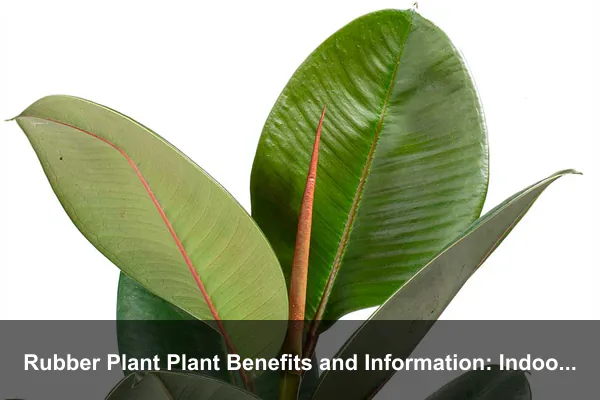
The Rubber Plant, botanically known as Ficus elastica, is one of the most recognizable indoor trees thanks to its broad, glossy leaves and bold upright shape. For anyone searching for Rubber Plant plant benefits and information, this guide explains what makes the plant valuable, how it supports indoor spaces, and what owners should know before growing it at home.
Unlike smaller trailing houseplants, the Rubber Plant creates a strong visual anchor in a room. It is often chosen for living rooms, offices, apartments, and shaded patios because it looks clean, modern, and architectural. In the context of manfaat tanaman, or plant benefits, the Rubber Plant is appreciated not only for decoration but also for its role in creating a calmer, greener, and more comfortable environment.
What Is a Rubber Plant?
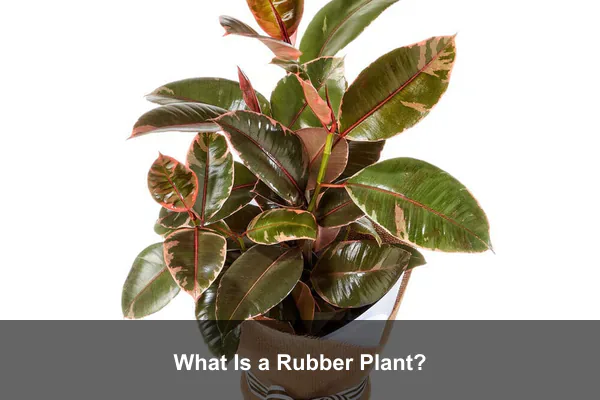
The Rubber Plant is a tropical evergreen tree native to parts of South and Southeast Asia. In its natural habitat, it can grow into a large tree, but indoors it is commonly maintained as a manageable ornamental plant. Its thick, oval leaves may appear deep green, burgundy, or variegated depending on the cultivar.
Common Rubber Plant Varieties
Several varieties are popular among indoor plant collectors. Each has the same general growth habit, but their leaf colors create different design effects.
- Ficus elastica ‘Robusta’: Classic deep green leaves and strong upright growth.
- Ficus elastica ‘Burgundy’: Dark, almost black-green foliage for dramatic interiors.
- Ficus elastica ‘Tineke’: Cream, green, and pinkish variegation that needs brighter indirect light.
- Ficus elastica ‘Ruby’: Colorful pink, cream, and green leaves with a softer decorative look.
The name “Rubber Plant” comes from its milky latex sap, which was historically associated with natural rubber production. However, the houseplant version is grown primarily for ornamental and indoor wellness value, not as a practical rubber source.
Rubber Plant Benefits for Indoor Spaces
The biggest benefits of the Rubber Plant come from its combination of visual impact, easy styling, and contribution to a more pleasant indoor atmosphere. It is especially useful for people who want a plant that looks mature and substantial without filling a room with clutter.
It Adds a Strong Natural Focal Point
One Rubber Plant can visually transform a plain corner. Its upright form works well beside sofas, desks, bookshelves, entryways, and windows with filtered light. Because the leaves are large and structured, the plant brings a clean botanical look that feels different from small tabletop plants.
It Supports a Calmer Room Atmosphere
Indoor greenery can make a space feel softer and more restorative. The Rubber Plant is especially effective because its broad leaves create an immediate sense of nature indoors. For many homeowners, this psychological benefit is one of the most practical reasons to keep the plant.
It May Help Improve Indoor Air Quality
Rubber Plants are often discussed in relation to air-purifying houseplants. Like many indoor plants, they can participate in natural processes that absorb carbon dioxide and release oxygen during photosynthesis. Their leaves may also trap some dust particles on the surface, which can be wiped away during routine cleaning.
It is important to be realistic: a Rubber Plant should not be treated as a replacement for ventilation, air filters, or cleaning. Its air-quality benefit is supportive, not medical. Still, as part of a healthier indoor routine, it can be a useful green addition.
Rubber Plant Care Requirements
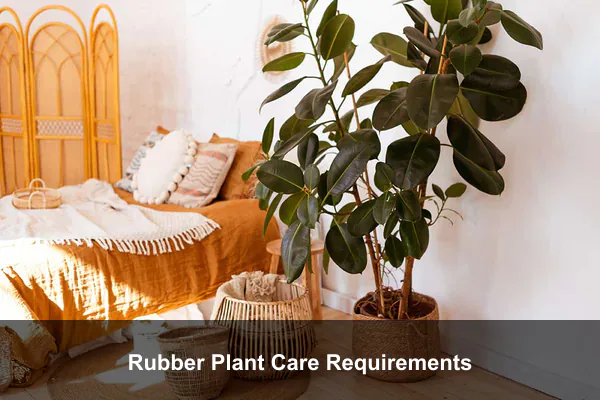
Rubber Plant care is straightforward when three basics are correct: light, water, and drainage. Most problems happen when the plant is placed in a dark corner or watered too often.
Light Needs
Rubber Plants prefer bright, indirect light. A spot near an east-facing window or a few feet away from a bright south or west-facing window is often ideal. Green varieties tolerate slightly lower light, while variegated types like ‘Tineke’ and ‘Ruby’ need brighter conditions to maintain their color.
- Give bright filtered light for strong growth.
- Avoid harsh direct afternoon sun that can scorch leaves.
- Rotate the pot every few weeks for even growth.
- Move variegated plants closer to light if colors fade.
Watering Tips
Water when the top few centimeters of soil feel dry. The Rubber Plant has thick leaves and does not like constantly wet soil. Overwatering can cause yellow leaves, leaf drop, and root rot.
A simple method is to check the soil with your finger before watering. If it still feels moist, wait a few more days. When watering, soak the soil evenly until excess water drains from the bottom, then empty the saucer.
Soil and Potting
Use a loose, well-draining potting mix. A standard indoor plant mix can work, but it performs better when amended with perlite, orchid bark, or coarse material to improve airflow around the roots. Always use a pot with drainage holes.
Safety Information: Sap, Pets, and Children
One of the most important pieces of Rubber Plant plant information is its safety profile. The plant contains a white latex sap that can irritate skin and may be harmful if chewed or swallowed by pets or children.
Place the plant where curious pets and young children cannot easily reach the leaves. When pruning, repotting, or propagating, wear gloves if you have sensitive skin. If sap touches the skin, wash it off with soap and water.
Practical Safety Steps
- Keep the plant out of reach of cats, dogs, and toddlers.
- Wipe sap immediately if a stem or leaf is cut.
- Use clean pruning tools and wash hands after handling.
- Contact a veterinarian or medical professional if ingestion occurs.
How to Maintain a Healthy Rubber Plant
A healthy Rubber Plant has firm stems, glossy leaves, and steady new growth during warm months. Maintenance is simple, but consistency matters.
Cleaning the Leaves
The broad leaves collect dust easily. Wipe them with a soft damp cloth every few weeks. Clean leaves look better and receive light more efficiently, which supports stronger growth.
Pruning and Shaping
Pruning helps control height and encourages branching. Cut just above a leaf node using clean shears. If the plant becomes too tall, pruning the top can help it develop a fuller shape over time.
Common Problems
- Yellow leaves: Often caused by overwatering or poor drainage.
- Dropping leaves: Usually linked to sudden changes, cold drafts, or inconsistent watering.
- Brown edges: May indicate low humidity, underwatering, or too much direct sun.
- Leggy growth: A sign the plant needs brighter indirect light.
Propagation and Growth Information
Rubber Plants can be propagated from stem cuttings. The process requires patience because woody stems take time to root. Choose a healthy cutting with at least one node and one leaf, then root it in water, moist sphagnum moss, or a light potting mix.
Because the sap is sticky and irritating, propagation should be done carefully. Let the cut end callus briefly, keep the medium lightly moist, and place the cutting in bright indirect light. New roots may take several weeks to develop.
Best Places to Use a Rubber Plant in the Home
The Rubber Plant is best used where its shape can be appreciated. It is not a tiny shelf plant; it needs visual space. A single mature plant can make a room feel more finished without adding many decorative objects.
- Living room: Place beside a sofa, media console, or bright window.
- Home office: Use it as a calm green backdrop near a desk.
- Bedroom: Choose a bright corner away from cold air conditioning drafts.
- Entryway: Use a medium-sized plant to create a welcoming first impression.
- Apartment balcony: Keep it in filtered light, protected from harsh sun and heavy rain.
Conclusion
The Rubber Plant is a valuable indoor plant for people who want beauty, structure, and practical greenery in one package. Its glossy leaves, upright growth, and adaptable nature make it ideal for modern homes and offices. When viewed through the lens of Rubber Plant plant benefits and information, its strengths include decorative impact, a calmer indoor atmosphere, supportive air-quality value, and relatively simple care.
To grow it successfully, provide bright indirect light, water only when the soil begins to dry, use a well-draining pot, and handle the latex sap with care. With the right placement and routine maintenance, the Rubber Plant can become a long-lasting indoor tree that brings natural elegance and everyday plant benefits to your space.
