
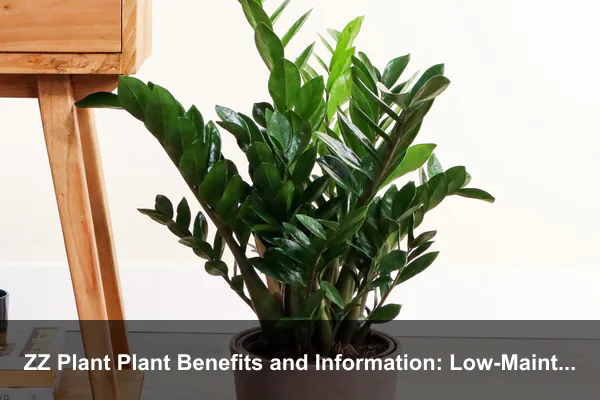
The ZZ Plant, also known as Zamioculcas zamiifolia, is one of the most reliable indoor plants for people who want greenery without a complicated care routine. With glossy, upright leaves and thick underground rhizomes that store water, this plant has become a favorite for homes, apartments, offices, reception areas, and low-light corners where many other houseplants struggle.
This guide to ZZ Plant plant benefits and information focuses on what makes the plant unique: its durability, sculptural appearance, low watering needs, and practical value for modern indoor spaces. Unlike plants that need constant misting, frequent pruning, or bright windows, the ZZ Plant is valued because it quietly improves a room with minimal attention. It is not just a decorative plant; it is a smart choice for busy beginners, small-space dwellers, and anyone who wants a cleaner, calmer interior with a resilient ornamental plant.
What Is a ZZ Plant?
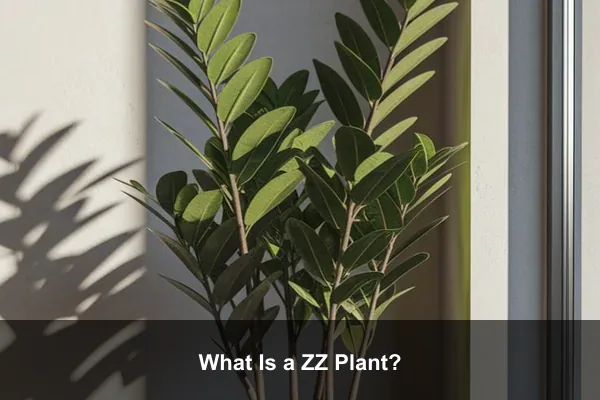
The ZZ Plant is a tropical perennial native to parts of eastern Africa, including regions where rainfall can be seasonal and conditions may become dry. This background explains one of its most important traits: it is built to survive periods of neglect. Beneath the soil, the plant grows thick, potato-like rhizomes that hold water. Above the soil, it produces smooth, waxy leaflets arranged along upright stems.
Because of this structure, the ZZ Plant is often described as one of the best low maintenance plants for indoor environments. It can tolerate lower light, inconsistent watering, dry indoor air, and the occasional forgotten care schedule. However, “tolerate” does not mean “needs nothing.” The healthiest ZZ Plants still benefit from proper light, drainage, and careful watering.
Common Names and Botanical Identity
The plant is most widely sold as the ZZ Plant, but it may also be called Zanzibar gem, emerald palm, aroid palm, or eternity plant. Its scientific name is Zamioculcas zamiifolia. Despite some common names, it is not a true palm. It belongs to the aroid family, which also includes many popular indoor ornamentals.
Why It Looks So Polished Indoors
One reason people love the ZZ Plant is its naturally tidy form. The leaves have a shiny surface that reflects light, making the plant look almost polished even without heavy grooming. Its upright growth habit also makes it easy to place beside desks, shelves, sofas, or entryways without sprawling across the floor.
Key ZZ Plant Benefits for Indoor Spaces
The benefits of the ZZ Plant are not limited to appearance. It offers practical advantages for indoor living, especially for people who need plants that can handle real-life routines. While no houseplant should be exaggerated as a miracle air purifier or health cure, the ZZ Plant can still support a more pleasant, organized, and nature-connected indoor environment.
1. Excellent for Busy Plant Owners
The biggest benefit of the ZZ Plant is its forgiving nature. It does not demand daily care, and it is less reactive to missed watering than many leafy tropical plants. This makes it especially useful for people who travel, work long hours, or are still learning how to care for houseplants.
- Water storage: Its rhizomes help it survive dry periods.
- Slow growth: It does not quickly outgrow its pot or space.
- Minimal pruning: Only yellow, damaged, or aging stems usually need removal.
- Flexible placement: It adapts to many indoor rooms as long as conditions are not extreme.
2. A Strong Choice for Low-Light Rooms
The ZZ Plant is frequently recommended for lower-light interiors because it can remain attractive where many sun-loving plants decline. It is suitable for offices, hallways, bedrooms, and living rooms that receive indirect light. For best growth, however, bright indirect light is still ideal. In very dim corners, it may survive but grow slowly.
This makes ZZ Plant plant benefits and information especially relevant for urban homes and small apartments where direct sunlight may be limited by nearby buildings, curtains, or room orientation.
3. Helps Create a Calmer Visual Environment
Indoor plants can make a room feel more grounded and restful. The ZZ Plant contributes to that effect through its clean lines, deep green color, and uncluttered form. Its appearance works well in minimalist, modern, tropical, Scandinavian, and professional interiors.
For people interested in manfaat tanaman, or the practical benefits of plants, the ZZ Plant offers a simple way to bring nature indoors without turning plant care into a demanding daily task.
4. Good for Offices and Commercial Interiors
Many office plants fail because indoor lighting is inconsistent and watering responsibilities are unclear. The ZZ Plant performs well in these settings because it is resilient, compact, and professional-looking. It can sit near workstations, waiting rooms, meeting spaces, and retail counters.
Its glossy leaves also help soften hard interior materials such as glass, metal, tile, and synthetic surfaces. In a workspace, this touch of greenery can make the environment feel less sterile and more comfortable.
5. Attractive Without Flowers
Some ornamental plants depend on blooms for visual impact, but the ZZ Plant is grown mainly for its foliage. This is an advantage indoors because the plant remains decorative year-round. It does not require a flowering season to look complete.
ZZ Plant Care Requirements
Although the ZZ Plant is famous for being easy, proper care makes the difference between a plant that merely survives and one that looks full, glossy, and healthy. The main care principle is simple: give it moderate indirect light, use a well-draining potting mix, and avoid overwatering.
Light Needs
The ZZ Plant grows best in bright, indirect light. It can tolerate medium and low light, but growth becomes slower in darker rooms. Avoid placing it in harsh direct afternoon sun, which may scorch the leaves. A spot near a window with filtered light is usually excellent.
- Best: Bright indirect light near an east- or north-facing window.
- Acceptable: Medium light in a living room, bedroom, or office.
- Survivable: Low light, though growth may be slow.
- Avoid: Strong direct sun for long periods.
Watering the Right Way
Overwatering is the most common ZZ Plant problem. Because the rhizomes store moisture, the plant does not need constantly damp soil. Let the soil dry out significantly before watering again. In many homes, this may mean watering every two to four weeks, depending on light, pot size, humidity, and temperature.
A useful method is to check the soil with your finger or a moisture meter. If the top several centimeters are still damp, wait. When you do water, water thoroughly until excess moisture drains from the bottom, then empty the saucer.
Soil and Potting Mix
The ZZ Plant prefers a loose, well-draining mix. A standard indoor potting mix can work, but it is often better when amended with perlite, pumice, orchid bark, or coarse sand. The goal is to prevent water from sitting around the rhizomes for too long.
Always use a pot with drainage holes. Decorative cachepots are fine, but the nursery pot inside should drain properly. Standing water at the bottom of a decorative container can lead to root and rhizome rot.
Temperature and Humidity
Normal indoor temperatures are usually suitable. The ZZ Plant prefers warm conditions and should be protected from cold drafts, air-conditioning blasts, and temperatures that drop too low. Average household humidity is generally enough, which makes it easier to grow than plants that demand high humidity.
Fertilizer
The ZZ Plant is not a heavy feeder. During the growing season, you can apply a balanced diluted houseplant fertilizer every one to two months. Avoid fertilizing heavily, especially in low light, because the plant grows slowly and does not use nutrients as quickly as faster-growing plants.
Common ZZ Plant Problems and Solutions
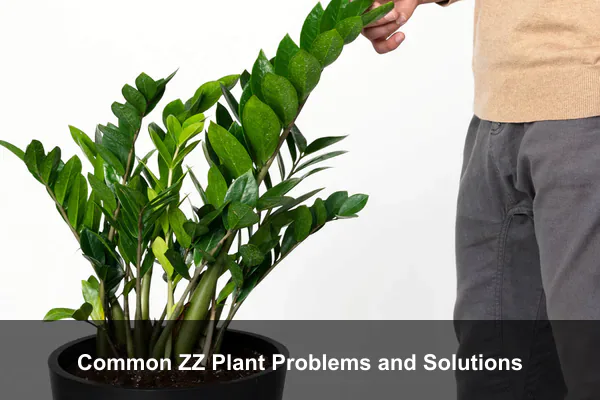
Most ZZ Plant issues come from watering mistakes, poor drainage, or unsuitable placement. Because the plant is slow-growing, problems may appear gradually. Early correction usually prevents serious damage.
Yellow Leaves
Yellowing leaves are often linked to overwatering, especially if the soil stays wet for many days. Check the pot drainage and soil moisture. If the mix smells sour or the stems feel mushy near the base, the rhizomes may be rotting.
However, occasional yellowing of an old stem can be natural. If only one older stem yellows while the rest of the plant looks healthy, remove it cleanly and monitor the plant.
Drooping Stems
Drooping can happen when the plant is extremely dry, overwatered, or reaching strongly toward light. Check the soil first. If it is bone dry, water thoroughly. If it is wet and the stems are soft, reduce watering and inspect the root system if necessary.
Brown Tips or Edges
Brown tips may come from very dry air, inconsistent watering, fertilizer buildup, or direct sun exposure. Trim damaged tips only if they bother you visually, and adjust the care routine to prevent more damage.
Slow or No Growth
ZZ Plants naturally grow slowly, especially indoors. If your plant looks healthy but is not producing new shoots, it may simply be resting or living in lower light. Move it to brighter indirect light and feed lightly during the growing season to encourage growth.
ZZ Plant Safety: Pets, Children, and Handling
One important part of ZZ Plant plant benefits and information is safety. The ZZ Plant contains calcium oxalate crystals, which can irritate the mouth, throat, and digestive system if chewed or swallowed. It is best kept away from pets and small children who may bite leaves or stems.
This does not mean the plant is unsafe to own in every household. It means placement matters. Keep it on a raised stand, shelf, office desk, or room where pets and children cannot easily access it. When pruning or repotting, wash your hands afterward. People with sensitive skin may prefer to wear gloves.
Practical Safety Tips
- Place the plant out of reach of cats, dogs, and toddlers.
- Do not use leaves or stems for food, tea, home remedies, or skin treatments.
- Wash hands after cutting, dividing, or repotting the plant.
- Clean fallen leaves quickly if pets roam the room.
- Contact a veterinarian or medical professional if ingestion occurs.
How to Style a ZZ Plant in Your Home
The ZZ Plant is versatile because its shape is structured but not visually heavy. It can serve as a quiet accent or a strong focal point depending on pot size and placement. Its deep green foliage pairs well with ceramic, terracotta, concrete, woven baskets, matte black planters, and natural wood.
Best Rooms for a ZZ Plant
In a living room, a medium or large ZZ Plant can fill an empty corner without needing dramatic sunlight. In a bedroom, it brings greenery without strong fragrance or messy flowers. In an office, it adds a polished botanical touch while requiring little maintenance. In an entryway, it gives guests a fresh first impression as long as the area is not completely dark.
Small-Space Placement Ideas
For apartments, studios, and compact rooms, choose a smaller ZZ Plant on a side table, plant stand, or shelf. Because the plant grows upright, it uses vertical space efficiently. It is also less likely to trail, sprawl, or invade walkways.
- Use a narrow plant stand beside a sofa or reading chair.
- Place a small ZZ Plant on a work desk with indirect light.
- Group it with contrasting foliage plants, but give each pot enough airflow.
- Choose a simple planter that highlights the glossy leaves.
- Rotate the pot occasionally so growth stays balanced.
ZZ Plant Varieties Worth Knowing
While the classic green ZZ Plant is the most common, several varieties are available for collectors and design-focused indoor gardeners. These varieties share similar care needs, but their appearance can change the mood of a room.
Classic Green ZZ Plant
This is the standard form with rich green, glossy leaflets. It is the easiest to find and often the most affordable. For most beginners, it is the best starting point.
Raven ZZ Plant
The Raven ZZ Plant is known for dramatic dark foliage that matures from bright green to deep purple-black. It has a modern, bold appearance and works especially well in light-colored rooms where the dark leaves create contrast.
Zenzi ZZ Plant
Zenzi is a compact form with shorter, denser growth. It is useful for desks, shelves, and small spaces. Because it stays more compact, it is a good choice for people who want the ZZ Plant look without a large floor plant.
Propagation and Repotting Basics
ZZ Plants can be propagated, but patience is required. They are slower than many common houseplants. The most practical methods are division and leaf cuttings. Division is faster because each divided section already has rhizomes and roots.
Propagating by Division
Division is best done during repotting. Remove the plant from its pot, gently separate sections with healthy rhizomes and roots, and replant them in separate containers with well-draining soil. Avoid dividing tiny or stressed plants.
Propagating from Leaf Cuttings
Leaf cuttings can root, but they may take months to produce visible new growth. Place healthy leaflets in a suitable medium, keep them lightly moist but not wet, and provide warmth with indirect light. This method is interesting for patient growers but not the fastest way to create a fuller plant.
When to Repot
Repot only when needed. Signs include roots circling the pot, distorted plastic nursery pots, soil drying unusually fast, or rhizomes crowding the surface. Move up only one pot size at a time. A pot that is too large can hold excess moisture and increase the risk of rot.
Myths and Realistic Expectations
The ZZ Plant is sometimes promoted with exaggerated claims. A balanced view is more helpful. It is a durable, attractive indoor plant with meaningful lifestyle and design benefits, but it should not be treated as a replacement for ventilation, cleaning, medical treatment, or safe building practices.
Air Quality Claims
Indoor plants can contribute to a more pleasant environment, and their presence may support a feeling of freshness. However, a few houseplants cannot clean indoor air at the scale of proper ventilation and source control. Enjoy the ZZ Plant as part of a healthier-feeling room, but keep expectations realistic.
Nearly Indestructible Does Not Mean Impossible to Kill
The ZZ Plant is tough, but it can still decline from chronic overwatering, freezing temperatures, poor drainage, or extremely dark placement. Treat its resilience as a helpful advantage, not a reason to ignore basic care.
Who Should Choose a ZZ Plant?
The ZZ Plant is ideal for beginners, renters, office workers, frequent travelers, and people who prefer clean, architectural foliage. It is also a strong option for anyone who has struggled with thirstier houseplants. If you want a plant that looks refined but does not demand constant attention, the ZZ Plant is one of the best choices.
It may not be the right plant if you want fast growth, colorful flowers, edible uses, or a pet-safe plant for animals that chew foliage. In those cases, choose a plant that better fits your household and expectations.
Conclusion
The ZZ Plant stands out because it combines beauty, resilience, and practicality. Its glossy leaves, upright shape, water-storing rhizomes, and tolerance of lower light make it a dependable indoor plant for many homes and offices. For people searching for ZZ Plant plant benefits and information, the most important takeaway is that this plant offers real value when matched with the right expectations: it is ornamental, low maintenance, space-efficient, and forgiving.
Give it well-draining soil, moderate indirect light, and careful watering, and it can remain attractive for years. Keep it away from pets and young children, avoid overwatering, and let its natural structure bring a calm, polished touch to your indoor space.
