
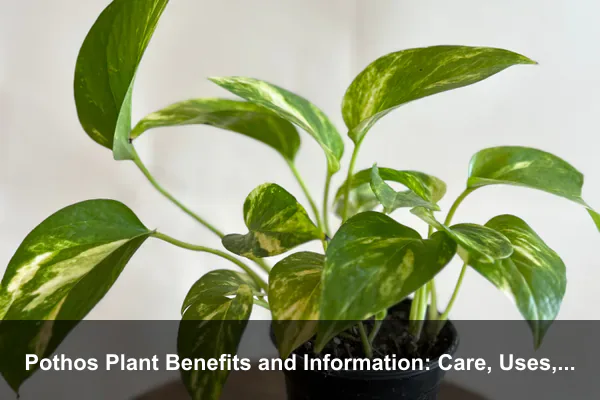
Pothos is one of the most loved indoor plants for a simple reason: it looks lush, grows quickly, and asks for very little in return. Whether you know it as pothos, devil’s ivy, money plant, golden pothos, or Epipremnum aureum, this trailing houseplant has earned a strong reputation among beginners, apartment dwellers, office decorators, and plant collectors.
This guide covers essential Pothos plant benefits and information, including its appearance, popular varieties, indoor advantages, care needs, safety notes, and practical placement ideas. If you want a beautiful plant that supports a calmer, greener living space without demanding expert-level care, pothos is one of the best choices to start with.
What Is a Pothos Plant?
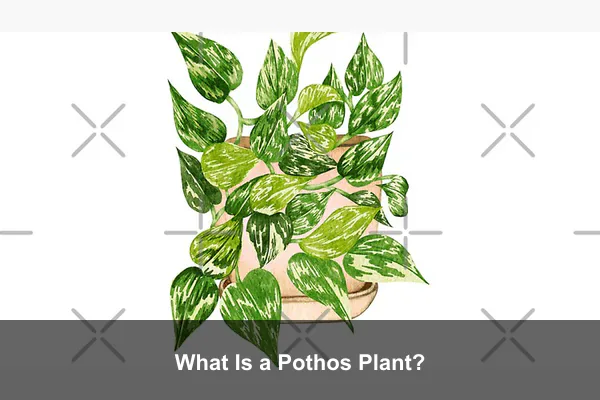
Pothos is a tropical evergreen vine commonly grown as an indoor ornamental plant. In nature, it can climb trees and spread across forest floors. Indoors, it is usually trained to trail from shelves, hang from baskets, climb moss poles, or soften corners with heart-shaped leaves.
Botanical Background
The most common pothos grown indoors is Epipremnum aureum. It belongs to the Araceae family, the same broad family that includes many popular foliage plants. Its leaves are usually heart-shaped, waxy, and sometimes variegated with yellow, cream, white, or pale green markings.
Why It Is Called Devil’s Ivy
Pothos is often called devil’s ivy because it is difficult to kill and stays green even in less-than-perfect indoor conditions. This does not mean it can thrive with total neglect, but it does tolerate missed watering, lower light, and ordinary room humidity better than many decorative plants.
Key Pothos Plant Benefits
The benefits of pothos go beyond decoration. For many people, it is a practical houseplant that improves the feeling of a room, supports beginner gardening habits, and offers flexible styling options for small spaces.
Easy to Care For
One of the biggest pothos plant benefits is its forgiving nature. It does not need daily attention, complicated pruning, or a rare soil mix. With bright indirect light, a pot with drainage, and moderate watering, it can grow steadily for years.
- Good for beginners: It shows clear signs when it needs water, such as slightly drooping leaves.
- Flexible placement: It can adapt to shelves, desks, bathrooms, kitchens, and offices.
- Fast growth: Healthy vines can grow long enough to trail, climb, or be propagated.
- Easy propagation: Stem cuttings root well in water or soil.
Improves the Look and Feel of Indoor Spaces
Pothos brings a fresh, natural look to rooms that may otherwise feel plain or rigid. Its trailing vines can make shelves appear softer, add vertical interest to empty walls, and create a calming green accent near work areas. In the context of plant benefits, or manfaat tanaman, pothos is especially valuable because it combines beauty with low maintenance.
Supports a Calmer Home Environment
Indoor greenery can make a space feel more relaxed and comfortable. While pothos should not be treated as a medical solution for stress, many people find that caring for a living plant creates a simple daily routine and a more pleasant atmosphere. A healthy pothos near a reading chair, desk, or window can make the room feel more inviting.
May Help Freshen Indoor Air
Pothos is often mentioned in discussions about air-purifying plants. Laboratory studies have shown that some houseplants can absorb certain airborne compounds under controlled conditions. In real homes, ventilation, cleaning habits, and air filtration matter much more for indoor air quality, but pothos can still contribute to a fresher, greener interior as part of a broader healthy-home approach.
Popular Pothos Varieties
There are several pothos varieties, and each one offers a different leaf pattern. Choosing the right variety depends on your light conditions and preferred style.
Golden Pothos
Golden pothos is the classic type, with green leaves splashed with golden-yellow variegation. It is one of the easiest varieties to grow and is often recommended for first-time plant owners.
Marble Queen Pothos
Marble Queen has cream and green marbled leaves. It looks elegant and bright, but it usually needs stronger indirect light to maintain its pale variegation.
Neon Pothos
Neon pothos has vivid chartreuse leaves that can brighten darker corners. Its color is bold, modern, and especially attractive in minimalist rooms.
Jade Pothos
Jade pothos has solid green leaves and handles lower light better than heavily variegated varieties. It is a smart choice for offices, hallways, or rooms with limited natural light.
Basic Pothos Care Information
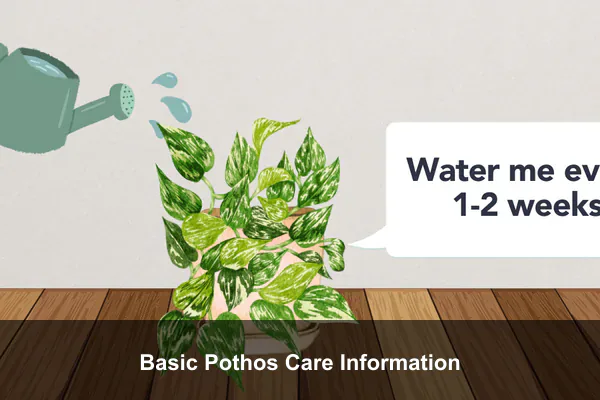
Understanding basic pothos care helps you keep the plant lush and healthy. The good news is that pothos is simple once you understand its main needs: indirect light, balanced watering, drainage, and occasional pruning.
Light Requirements
Pothos grows best in bright, indirect light. It can tolerate lower light, but growth may slow and variegation may fade. Avoid harsh direct afternoon sun, which can scorch the leaves.
- Best light: Bright, filtered daylight near a window.
- Acceptable light: Medium indoor light or office lighting.
- Avoid: Intense direct sun and completely dark corners.
Watering Tips
Water pothos when the top layer of soil feels dry. Overwatering is a more common problem than underwatering. If the pot sits in water or the soil stays soggy, roots can rot.
- Check the top 1-2 inches of soil with your finger.
- Water thoroughly until water drains from the bottom.
- Empty the saucer so the roots do not sit in standing water.
- Wait until the soil partially dries before watering again.
Soil and Potting
Pothos prefers a loose, well-draining potting mix. A standard indoor plant mix usually works well, especially if the pot has drainage holes. If the soil feels too heavy, mix in perlite or orchid bark to improve airflow around the roots.
Pruning and Propagation
Pruning keeps pothos full and tidy. Cut just below a node, which is the small bump where leaves and roots can form. These cuttings can be placed in water until roots develop, then moved to soil. Propagation is one reason pothos is popular with plant lovers: one healthy mother plant can become several new plants.
Where to Place Pothos at Home or Work
Pothos is flexible enough for many indoor settings. Its trailing habit makes it especially useful for vertical styling, small apartments, and rooms where floor space is limited.
Best Placement Ideas
- On shelves: Let vines trail down naturally for a soft, layered look.
- In hanging baskets: Use pothos to add greenery without taking up table space.
- On office desks: Choose a compact cutting or small pot for a fresh work area.
- Near windows: Place it where light is bright but filtered.
- On moss poles: Train the plant upward for larger leaves and a bolder display.
For small spaces, pothos is particularly useful because it grows upward or downward instead of spreading widely across the floor. This makes it suitable for apartments, dorm rooms, studios, and compact home offices.
Common Pothos Problems and Solutions
Even low-maintenance plants can show problems when conditions are off. Fortunately, pothos symptoms are usually easy to read.
Yellow Leaves
Yellow leaves often point to overwatering, poor drainage, or old foliage naturally aging. If many leaves turn yellow at once, check the soil moisture and root condition.
Brown Tips
Brown tips can come from inconsistent watering, dry air, fertilizer buildup, or water quality. Trim damaged tips if needed and adjust care gradually.
Leggy Growth
Long vines with wide gaps between leaves usually mean the plant needs more light or pruning. Move it closer to a bright window and trim vines to encourage fuller growth.
Safety and Toxicity Information
Pothos is beautiful, but it is not edible. The plant contains calcium oxalate crystals that can irritate the mouth, throat, and stomach if chewed by people or pets. Keep pothos away from curious cats, dogs, and young children.
If a pet or child chews pothos and shows swelling, drooling, vomiting, or discomfort, contact a veterinarian or medical professional promptly. For households with pets, consider placing pothos in a hanging basket or on a high shelf where it cannot be reached.
Conclusion
Pothos is a reliable, attractive, and beginner-friendly houseplant with many practical advantages. It grows well indoors, adapts to different spaces, offers easy propagation, and brings a natural green presence to homes and offices. For anyone researching Pothos plant benefits and information, the main takeaway is clear: this plant offers high visual impact with low care demands.
Give pothos bright indirect light, water only when the soil partly dries, use a pot with drainage, and prune when vines become too long. With those simple habits, pothos can stay healthy, full, and decorative for many years.
