
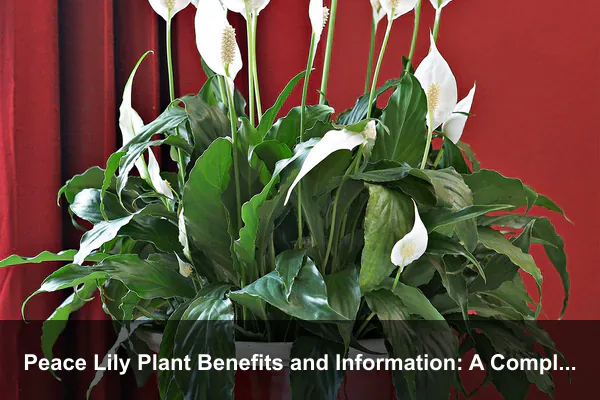
The peace lily is one of the most beloved indoor plants for a good reason: it is elegant, forgiving, and full of practical benefits for modern homes. Known for its glossy green leaves and graceful white spathes, this tropical houseplant brings a clean, calming look to living rooms, bedrooms, offices, and shaded indoor corners.
If you are searching for Peace Lily plant benefits and information, this guide covers everything you need to know: its advantages, care needs, common problems, safety notes, and how to use it as a beautiful indoor ornamental plant. While many people grow peace lilies for decoration, they also value them for their air-purifying reputation, low-maintenance nature, and symbolic meaning.
What Is a Peace Lily Plant?
The peace lily, scientifically known as Spathiphyllum, is a tropical evergreen plant native to warm, humid forest regions of Central and South America and parts of Southeast Asia. Despite its common name, it is not a true lily. Instead, it belongs to the Araceae family, the same broad family as many popular indoor foliage plants.
Its most recognizable feature is the white, sail-like spathe that surrounds a central flower spike called a spadix. Many people call this part the flower, although the true flowers are actually tiny blooms clustered on the spadix. The plant’s deep green leaves and white blooms create a peaceful, minimalist appearance that suits many interior styles.
Common Peace Lily Characteristics
- Botanical name: Spathiphyllum
- Plant type: Tropical indoor ornamental plant
- Light preference: Bright indirect light to moderate shade
- Watering need: Moderate, with soil kept lightly moist
- Best use: Indoor decoration, small spaces, desks, bedrooms, and living rooms
Top Peace Lily Plant Benefits
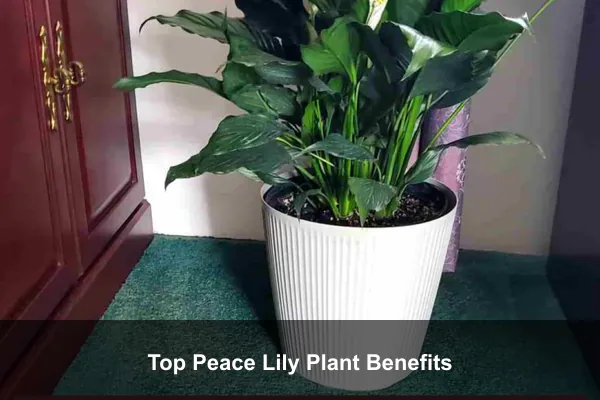
Peace lilies are often recommended for beginners because they offer beauty without demanding complicated care. Beyond appearance, they provide several benefits that make them a favorite in the houseplant world.
1. Helps Improve Indoor Atmosphere
Peace lilies are widely associated with cleaner indoor air. They became famous partly because of research into plants and indoor air quality. While one plant will not replace ventilation or air filtration, growing peace lilies can still support a fresher indoor environment as part of a healthy home routine.
Their broad leaves also help add a natural, fresh feeling to enclosed spaces. In rooms with hard surfaces, electronics, and artificial lighting, a peace lily introduces softness and visual balance.
2. Adds Natural Beauty to Small Spaces
A peace lily does not need a large garden or outdoor yard. It grows well in pots, making it ideal for apartments, offices, dorm rooms, and compact homes. Its upright shape allows it to fit neatly on plant stands, side tables, shelves, and floor corners.
For people interested in manfaat tanaman, or plant benefits, the peace lily is a strong example of how one indoor plant can provide both beauty and practical value.
3. Encourages a Calm, Relaxing Mood
Indoor plants can make a room feel more restful, and the peace lily is especially known for its calm visual presence. The contrast between dark foliage and white blooms gives it a clean, peaceful look. This makes it suitable for meditation rooms, reading corners, workspaces, and bedrooms.
4. Beginner-Friendly and Low Maintenance
Another major benefit of the peace lily plant is its forgiving nature. It can tolerate lower light better than many flowering indoor plants, and it often gives clear signs when it needs water. Drooping leaves usually mean the plant is thirsty, and the leaves often recover after watering.
How to Care for a Peace Lily Plant
Peace lily care is simple when you understand its natural preferences. It comes from tropical forest environments, so it enjoys warmth, humidity, filtered light, and consistently moist but not soggy soil.
Light Requirements
Peace lilies grow best in bright, indirect light. They can survive in lower light, but flowering may decrease if the room is too dark. Avoid placing the plant in direct afternoon sun, which can scorch the leaves and cause brown patches.
A spot near an east-facing window, a few feet away from a bright south-facing window, or under filtered light is usually ideal.
Watering Tips
Water your peace lily when the top inch of soil feels dry. The goal is to keep the soil lightly moist, not soaked. Overwatering is one of the most common causes of yellow leaves and root rot.
- Check the soil with your finger before watering.
- Use a pot with drainage holes.
- Empty excess water from the saucer after watering.
- Reduce watering in cooler months when growth slows.
Soil and Potting
A well-draining indoor potting mix works well for peace lilies. You can improve drainage by adding perlite, orchid bark, or coco coir. Repot the plant every one to two years, or when roots become crowded and water runs through the pot too quickly.
Peace Lily Flowers and Blooming Information
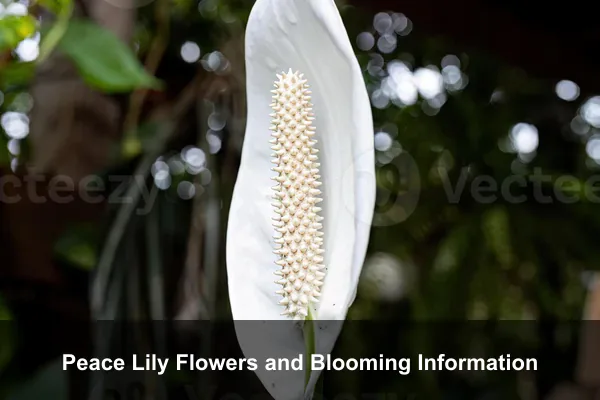
Peace lilies are admired for their white spathes, which can appear several times a year under good conditions. However, blooming depends on light, plant maturity, and overall health.
Why Is My Peace Lily Not Flowering?
The most common reason is insufficient light. A peace lily kept in a dark corner may survive but may not produce many blooms. Move it to a brighter location with indirect light and give it time to adjust.
Other reasons include poor nutrition, being root-bound, or general stress from inconsistent watering. Feeding lightly during the growing season can help, but too much fertilizer may burn the roots.
How to Encourage More Blooms
- Place the plant in bright indirect light.
- Keep soil evenly moist but never waterlogged.
- Use a balanced houseplant fertilizer at half strength during active growth.
- Remove spent blooms to encourage a tidy appearance.
- Keep the plant warm and away from cold drafts.
Common Peace Lily Problems and Solutions
Even though peace lilies are low maintenance, they can show stress through leaf color, texture, or growth changes. Understanding these signs makes care much easier.
Yellow Leaves
Yellow leaves usually come from overwatering, underwatering, aging foliage, or sudden environmental change. Check the soil first. If it is soggy, allow it to dry slightly and improve drainage. If it is bone dry, water thoroughly.
Brown Leaf Tips
Brown tips may be caused by low humidity, fertilizer buildup, inconsistent watering, or minerals in tap water. Using filtered water, flushing the soil occasionally, and increasing humidity can help.
Drooping Leaves
Drooping is often a simple thirst signal. However, if the soil is wet and the plant is still drooping, root rot may be the issue. In that case, inspect the roots and remove any mushy sections before repotting in fresh soil.
Is Peace Lily Safe for Pets and Children?
Peace lily plants contain calcium oxalate crystals, which can irritate the mouth, throat, and stomach if chewed or swallowed. They are not considered true lilies, but they are still not pet-safe for cats and dogs.
Place the plant out of reach of pets and young children. If a pet or child ingests part of the plant and shows symptoms such as drooling, vomiting, mouth irritation, or difficulty swallowing, contact a veterinarian or medical professional promptly.
Best Places to Put a Peace Lily Indoors
The peace lily works beautifully in many indoor locations as long as the spot provides warmth and indirect light. It is especially useful where you want a clean, natural accent without overwhelming the room.
- Living room: Adds a refined green focal point near seating areas.
- Bedroom: Creates a calm, restful atmosphere when placed safely away from pets.
- Home office: Softens desks, shelves, and work corners.
- Bathroom: Can enjoy humidity if there is enough indirect light.
- Entryway: Makes a welcoming first impression in a bright, shaded area.
Peace Lily Meaning and Symbolism
The peace lily is often associated with peace, purity, sympathy, renewal, and hope. Its white blooms give it a serene appearance, which is why it is frequently used in homes, offices, memorial arrangements, and calming interior designs.
As a gift, a peace lily can symbolize comfort, fresh beginnings, or thoughtful support. For indoor plant lovers, it also represents simple elegance and the quiet benefits of bringing nature inside.
Conclusion
The peace lily is much more than a decorative houseplant. It offers beauty, beginner-friendly care, flexible placement, symbolic value, and a refreshing natural presence indoors. For anyone looking for reliable Peace Lily plant benefits and information, this plant is a strong choice for homes, apartments, and offices.
To keep it healthy, provide bright indirect light, water only when the top soil begins to dry, use a well-draining potting mix, and protect it from pets and small children. With consistent care, the peace lily can reward you with glossy foliage, elegant white blooms, and a calmer, greener living space.
