
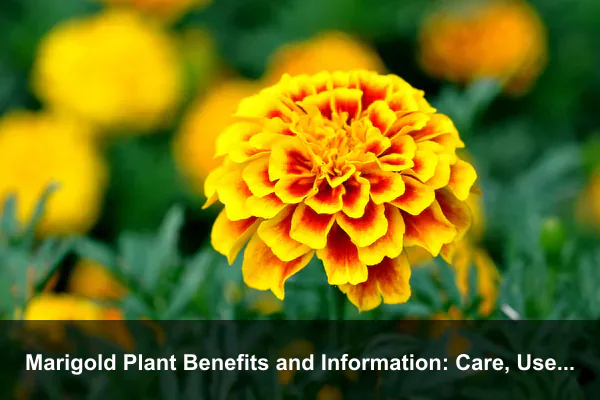
Marigolds are among the most useful flowering plants for home gardens, balcony pots, borders, vegetable beds, and pollinator-friendly spaces. Their cheerful yellow, orange, red, and gold blooms are easy to recognize, but their real value goes beyond color. A well-grown marigold can help bring seasonal structure to a garden, attract beneficial insects, support companion planting plans, provide edible or decorative petals in the right species, and offer a practical learning plant for beginners.
This guide to Marigold plant benefits and information focuses on a unique outdoor gardening angle rather than repeating the common indoor houseplant themes found in many plant guides. You will learn what marigolds are, how different types compare, which benefits are realistic, how to grow them from seed, how to use them safely, and how to avoid common mistakes. Marigolds are simple plants, but understanding the difference between garden marigolds and pot marigold is essential because their uses, flavor, and herbal reputation are not exactly the same.
What Is a Marigold Plant?
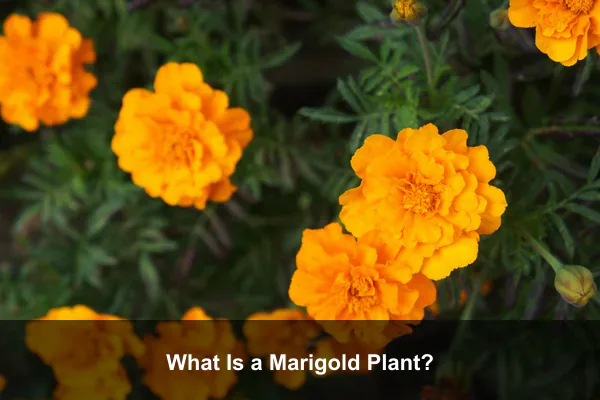
The name marigold is used for several flowering plants, which can confuse new gardeners. In most garden centers, marigold usually refers to plants in the Tagetes genus. These include French marigold, African marigold, signet marigold, and many modern hybrids. They are valued as annual bedding plants because they flower quickly, tolerate heat, grow well in containers, and create strong color from late spring through fall.
Another plant often called marigold is Calendula officinalis, also known as pot marigold. Calendula is not the same botanical genus as Tagetes, but it shares the bright daisy-like flower shape and has a long history in edible flower and herbal traditions. When discussing marigold benefits, this distinction matters. Many pest-deterrent garden claims are linked to Tagetes, while many culinary and skin-care traditions are linked to calendula.
Basic Marigold Plant Profile
- Common garden group: Tagetes species and hybrids.
- Pot marigold group: Calendula officinalis.
- Plant type: Usually grown as annual flowers.
- Flower colors: Yellow, orange, gold, red, mahogany, cream, and bicolor forms.
- Best light: Full sun for most varieties.
- Typical use: Flower beds, vegetable garden borders, pots, edging, pollinator strips, and seasonal displays.
Key Marigold Plant Benefits for Gardens
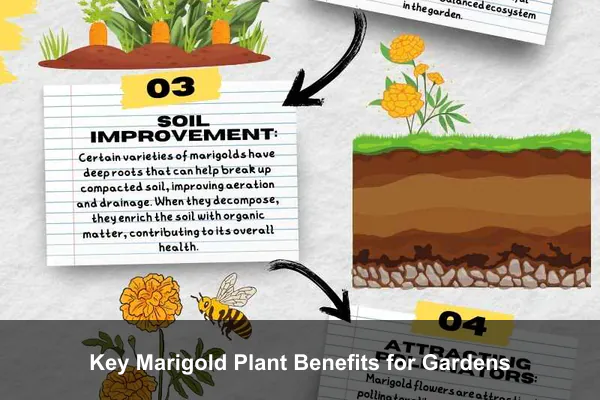
The best way to understand Marigold plant benefits and information is to separate proven garden value from exaggerated claims. Marigolds are genuinely helpful, but they are not magic pest shields. Their benefits come from a combination of flowers, scent, root chemistry, easy growth, compact size, and long bloom time.
Long-Lasting Garden Color
Marigolds are prized because they bloom generously with basic care. Many varieties flower from early summer until frost, especially when old blooms are removed. Their warm colors stand out strongly against green vegetable foliage, dark mulch, terracotta pots, and neutral garden paths. This makes them useful for gardeners who want high visual impact without difficult maintenance.
Support for Pollinators and Beneficial Insects
Single and semi-double marigold flowers can attract bees, hoverflies, butterflies, and other insects that visit flowers for nectar or pollen. This is especially useful in mixed gardens where vegetables, herbs, and ornamentals grow together. Very dense double flowers may be less accessible to pollinators, so choose some open-centered varieties if wildlife value is a priority.
Companion Planting Value
Marigolds are popular companion plants near tomatoes, peppers, beans, eggplants, cucumbers, potatoes, and cabbage-family crops. Their strong scent may confuse some pests, and their flowers can support beneficial insects. French marigolds are also studied for their relationship with certain soil nematodes, although results depend on species, timing, soil conditions, and how the plant is used.
The practical approach is simple: plant marigolds as part of a diverse garden plan rather than relying on them as the only pest control method. Healthy soil, crop rotation, proper spacing, monitoring, and hand removal of pests remain important.
Low-Cost Seasonal Planting
Marigolds are inexpensive to grow from seed. They germinate readily in warm conditions, grow quickly, and can be started indoors or sown directly outdoors after frost danger has passed. This makes them useful for beginner gardeners, school gardens, community plots, and anyone who wants a full-looking flower bed without a large budget.
Decorative and Cultural Value
Marigolds carry meaning in many cultures. In Mexico, orange Tagetes erecta flowers are strongly associated with Dia de los Muertos. In South Asia and Southeast Asia, marigold garlands are used in ceremonies, festivals, and decorative displays. Their bold color, availability, and resilience make them symbolic as well as practical.
Types of Marigolds and How to Choose One
Choosing the right marigold depends on your space, climate, purpose, and preferred flower shape. A large African marigold may look impressive in a border but overwhelm a small balcony pot, while signet marigolds may be better for edible-style gardens and delicate edging.
French Marigold
French marigold is usually sold as Tagetes patula. It tends to be compact, bushy, and ideal for beds, edging, containers, and vegetable rows. Many varieties grow between 6 and 12 inches tall, though some are larger. Flowers may be single, semi-double, or double, with colors ranging from gold and orange to red, burgundy, and bicolor patterns.
French marigolds are among the best choices for vegetable gardens because they are compact, easy to tuck between crops, and often recommended in companion planting discussions. They are also good for children or beginners because they grow fast and respond well to simple care.
African Marigold
African marigold, commonly Tagetes erecta, produces larger plants and bigger pom-pom flowers. Despite the common name, this group traces to the Americas. Plants may reach 1 to 3 feet tall depending on the variety. They are excellent for bold bedding displays, cut flowers, large containers, and sunny borders.
African marigolds need more space and air circulation than smaller types. Their large flower heads can hold moisture in wet climates, so they may need deadheading and careful placement where humidity or heavy rain is common.
Signet Marigold
Signet marigold, often Tagetes tenuifolia, has fine foliage and small single flowers. It looks softer and more natural than big double marigolds. The flowers are often edible when grown safely, with a citrusy or spicy flavor, though flavor varies by variety and growing conditions.
Signet marigolds work well along paths, in herb gardens, in balcony boxes, and near seating areas. Their airy habit makes them attractive without looking heavy.
Calendula or Pot Marigold
Calendula is the best option if your main goal is edible petals or traditional herbal use. The flowers are commonly used fresh or dried for teas, infused oils, salves, and natural color in foods. Calendula prefers cooler conditions than many Tagetes marigolds and may slow down in extreme heat.
If a recipe or herbal guide says marigold, check whether it means Calendula officinalis rather than Tagetes. This one step prevents confusion and improves safety.
How to Grow Marigolds Successfully
Marigolds are beginner-friendly, but they still perform best when planted in the right place. Most poor results come from too much shade, overly rich soil, soggy roots, or crowded spacing.
Light Requirements
Most marigolds need full sun, meaning at least 6 hours of direct light per day. In hot tropical or subtropical climates, they can benefit from light afternoon shade, especially in pots that dry out quickly. Too much shade causes weak stems, fewer flowers, and leggy growth.
Soil and Drainage
Marigolds prefer well-drained soil with moderate fertility. They do not need expensive soil mixes or heavy feeding. In fact, soil that is too rich in nitrogen can produce lush leaves with fewer flowers. For garden beds, loosen the soil and add compost if needed, but avoid creating a heavy, wet planting area.
For containers, use a quality potting mix with drainage holes. Do not use dense garden soil alone in pots because it can compact and hold too much water.
Starting Marigolds From Seed
- Fill trays or small pots with moist seed-starting mix.
- Sow seeds about 1/4 inch deep, then cover lightly.
- Keep the mix warm and evenly moist, not soaked.
- Place seedlings in bright light as soon as they sprout.
- Harden off young plants before moving them outdoors.
- Transplant after the risk of frost has passed and the soil is warm.
In warm climates, marigolds can often be direct-sown into prepared garden soil. Thin seedlings so each plant has enough room to branch and flower.
Spacing Tips
Small French marigolds may need 6 to 10 inches between plants. Larger African marigolds may need 12 to 18 inches or more. Proper spacing improves air movement, lowers disease risk, and helps each plant form a balanced shape.
Marigold Care: Watering, Feeding, and Deadheading
Marigold care is simple, but consistent habits create better blooms. The goal is to keep plants growing steadily without pushing soft, weak growth.
Watering
Water marigolds deeply when the top layer of soil begins to dry. Established plants tolerate short dry periods, but container marigolds need more regular attention. Avoid frequent light sprinkling because it encourages shallow roots. Water near the soil line rather than soaking the flowers and foliage whenever possible.
Fertilizing
Marigolds usually need little fertilizer. If plants are in poor soil or containers, use a balanced, diluted fertilizer occasionally. Avoid excessive nitrogen because it can reduce blooming. Compost at planting time is often enough for garden beds.
Deadheading for More Flowers
Deadheading means removing faded blooms. This helps many marigold varieties continue flowering because the plant puts less energy into seed production. Pinch or snip off old flowers just above the next leaf or bud. Deadheading also keeps plants tidy and reduces the chance of rotting flower heads in damp weather.
Pruning Leggy Plants
If marigolds become stretched or tired in midseason, trim them lightly to encourage branching. Do not remove all foliage at once. A modest cutback followed by watering can refresh compact varieties and extend the display.
Edible, Herbal, and Household Uses
Marigold uses depend strongly on correct identification. Many edible and herbal traditions refer to calendula, while ornamental garden marigolds are used more often for color, garlands, pest-aware planting, and seasonal decoration.
Calendula Petals in Food
Calendula officinalis petals can be used to add color to salads, soups, rice, butter, baked goods, and herbal teas. They are sometimes called poor man’s saffron because they can give a golden color to food, although the flavor is different from saffron. Use only flowers that are correctly identified, pesticide-free, and grown in clean soil.
Tagetes in Culinary Uses
Some Tagetes flowers, especially signet marigolds, are used sparingly as edible garnishes. Their flavor can be citrusy, peppery, bitter, or spicy. Not every marigold tastes pleasant, and ornamental plants from garden centers may have been treated with chemicals not intended for food crops. If you plan to eat flowers, grow them from edible flower seed or organically managed plants.
Natural Dye and Decorative Use
Marigold petals can be used for natural dye experiments, homemade paper projects, flower garlands, pressed flowers, and seasonal arrangements. Their strong pigments make them especially useful for craft and educational activities. For dyeing fabric, results vary by fiber, mordant, flower color, and process.
Traditional Herbal Use
Calendula has a long history in skin-care preparations such as infused oils, balms, and salves. Modern products may include calendula extract for soothing skin, but home herbal use should be cautious. Natural does not always mean risk-free, and sensitive skin can react to plant compounds.
Do not use marigold or calendula as a substitute for medical treatment. People who are pregnant, breastfeeding, allergic to plants in the daisy family, taking medications, or managing a health condition should ask a qualified professional before using herbal preparations.
Marigold Safety for People and Pets
Marigolds are generally considered low-risk garden plants, but they still deserve sensible handling. Some people experience skin irritation after contact with marigold sap, especially when pruning or deadheading large numbers of plants. Wearing gloves is a simple solution.
Allergy Considerations
Marigolds belong to the Asteraceae family, which also includes daisies, chrysanthemums, ragweed, and many other plants. People with known allergies to this family should be careful with marigold teas, salves, flower handling, and edible petals. Try small exposure first, and stop use if irritation occurs.
Pet Safety
Dogs and cats may chew flowers or foliage out of curiosity. A small nibble is unlikely to be serious for many pets, but eating plant material can still cause drooling, stomach upset, or vomiting. Keep plants away from pets that chew garden plants repeatedly, and contact a veterinarian if symptoms appear.
Pesticide and Food Safety
Never eat marigold flowers from florists, public landscaping, roadsides, or unknown garden center stock unless you know they were grown for edible use. These plants may carry residues, dust, or contaminants. For edible petals, grow your own plants from seed and avoid chemical sprays.
Best Ways to Use Marigolds in Garden Design
Marigolds are flexible because they fit both ornamental and productive gardens. Their strong color can look formal, playful, tropical, rustic, or festive depending on planting style.
Vegetable Garden Borders
Plant compact French marigolds along bed edges, between tomato cages, near pepper plants, or around raised beds. This adds visual order while supporting insect diversity. Keep enough space for airflow and harvesting access.
Container Planting
Marigolds grow well in pots, window boxes, and balcony planters. Use smaller varieties for containers under 12 inches wide, and larger varieties for deep planters. Combine them with basil, ornamental peppers, trailing herbs, or contrasting foliage plants for a useful and decorative container.
Pollinator Strips
For pollinator support, mix marigolds with zinnia, cosmos, basil flowers, alyssum, calendula, and native flowering plants suited to your region. Diversity is more valuable than a single flower type. Choose some single-flowered marigolds so insects can access pollen more easily.
Festival and Cut Flower Displays
African marigolds are useful for garlands, bold arrangements, and seasonal decorations because of their large flowers and strong stems. Harvest flowers in the morning after dew dries, and remove lower leaves before placing stems in water.
Common Marigold Problems and Solutions
Marigolds are resilient, but they can suffer from common garden issues. Most problems are easier to prevent than cure.
Few Flowers
If plants have many leaves but few blooms, they may be getting too much shade or too much nitrogen. Move containers to sunnier positions, reduce feeding, and deadhead faded blooms. In garden beds, avoid planting marigolds where taller crops block the sun.
Wilting Plants
Wilting can mean dry soil, root damage, transplant shock, or waterlogged roots. Check the soil before watering. If the soil is dry, water deeply. If it is soggy, improve drainage and reduce watering frequency.
Powdery Mildew and Fungal Issues
Crowded plants in humid conditions may develop powdery mildew or leaf spots. Space plants properly, water at the base, remove damaged leaves, and avoid overhead watering late in the day.
Slugs, Snails, and Chewing Pests
Young marigolds can be damaged by slugs, snails, caterpillars, or beetles. Inspect plants regularly, remove pests by hand when practical, and keep the garden clean of excessive debris. Healthy, well-spaced plants recover better than stressed ones.
Smart Buying and Seasonal Growing Tips
When buying marigolds, choose compact plants with healthy green leaves, no mushy stems, and several unopened buds. A plant covered only in mature flowers may look impressive at the shop but may not establish as well as a younger plant with active new growth.
For a longer display, plant in waves. Start some seeds early, direct-sow another batch later, and refresh containers when summer heat or heavy rain damages older plants. In frost-free tropical climates, marigolds may grow across different seasons, but they still decline eventually and are best treated as replaceable annuals.
Save seeds only from open-pollinated varieties if you want predictable results. Hybrid marigolds may produce offspring that look different from the parent plant. To save seed, let a flower head dry on the plant, remove it, break it open, and store the dry seeds in a cool, dry place.
References and Further Reading
- University of Minnesota Extension, Marigolds: https://extension.umn.edu/flowers/marigolds
- NC State Extension Gardener Plant Toolbox, Tagetes: https://plants.ces.ncsu.edu/plants/tagetes/common-name/marigold/
- Utah State University Extension, Calendula in the Garden: https://extension.usu.edu/yardandgarden/research/calendula-in-the-garden
- University of Minnesota Extension, Companion Planting in Home Gardens: https://extension.umn.edu/planting-and-growing-guides/companion-planting-home-gardens
- WebMD, Calendula Safety and Uses Overview: https://www.webmd.com/vitamins/ai/ingredientmono-235/calendula
Conclusion
Marigolds are more than easy orange flowers. They are practical, affordable, colorful, and versatile plants that can support garden beauty, beginner learning, companion planting, pollinator activity, seasonal decoration, and, in the case of calendula or suitable edible varieties, careful culinary or herbal use. Their strongest benefits come when they are grown in full sun, well-drained soil, and diverse garden settings.
The most important lesson in Marigold plant benefits and information is to know which marigold you are growing. Tagetes marigolds are excellent for bedding displays, borders, vegetable garden edges, and cultural decorations. Calendula officinalis is the better-known pot marigold for edible petals and traditional herbal preparations. With proper identification, sensible safety, and simple care, marigolds can become one of the most rewarding flowering plants in a home garden.
