
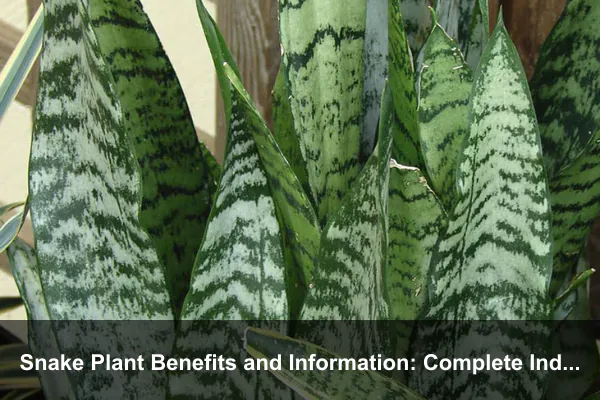
The snake plant is one of the most recognizable and reliable houseplants in the world. Known for its upright sword-like leaves, tough nature, and modern architectural look, it is often recommended for beginners, busy plant owners, apartment dwellers, and anyone who wants a beautiful indoor plant with practical benefits.
If you are searching for Snake Plant plant benefits and information, this guide covers everything you need to know: what the plant is, why it is popular, how it may support a healthier indoor environment, and how to care for it properly. While no houseplant is a magic solution for air quality or wellness, the snake plant offers a strong combination of beauty, resilience, symbolism, and low-maintenance care.
What Is a Snake Plant?

The snake plant, commonly known by the botanical name Dracaena trifasciata, was previously classified as Sansevieria trifasciata. Many plant lovers still use the older name, so you may see both names in nurseries, plant shops, and care guides.
This plant is native to parts of West Africa and is valued for its stiff, upright leaves that often show green bands, yellow edges, or silvery patterns. Its shape makes it ideal for corners, desks, bedrooms, entryways, and small indoor spaces.
Common Names
- Snake plant
- Mother-in-law’s tongue
- Sansevieria
- Viper’s bowstring hemp
Popular Varieties
There are many attractive snake plant varieties. Some grow tall and bold, while others stay compact for tabletops and shelves.
- Dracaena trifasciata ‘Laurentii’ – green leaves with yellow margins.
- ‘Zeylanica’ – darker green leaves with soft horizontal banding.
- ‘Moonshine’ – pale silvery-green leaves with a clean modern look.
- ‘Bird’s Nest’ – a compact rosette form suitable for small spaces.
- Cylindrical snake plant – round spear-like leaves with a sculptural appearance.
Top Snake Plant Benefits
The benefits of snake plant ownership go beyond decoration. It is popular in the Manfaat Tanaman niche because it combines visual appeal with practical value for everyday living.
1. Low-Maintenance Indoor Greenery
One of the biggest snake plant benefits is its ability to survive with minimal attention. It tolerates irregular watering, lower light, dry indoor air, and occasional neglect better than many popular houseplants.
This makes it a smart choice for people who travel, work long hours, or are just starting their plant care journey. It is also a forgiving plant for offices, rental rooms, dorms, and apartments.
2. Attractive Natural Decor
The snake plant has a clean vertical shape that fits many interior styles, from minimalist and Scandinavian to tropical, bohemian, and modern office design. Its upright leaves add height without taking up much floor space.
Because the plant grows upward instead of spreading widely, it can soften empty corners, frame furniture, or add structure beside a doorway without making a room feel crowded.
3. May Help Improve Indoor Air Perception
Snake plants are often discussed for air-purifying potential. Research on houseplants has shown that some plants can absorb certain airborne compounds under controlled conditions. In real homes, however, ventilation, cleaning habits, humidity, and building materials have a much larger effect on air quality.
That said, snake plants can still contribute to a fresher-feeling indoor space by adding greenery, encouraging better room care, and supporting a calmer environment. For best results, use plants as one part of a broader healthy-home approach.
4. Space-Saving Plant for Small Homes
The snake plant is excellent for small spaces because it grows vertically. A slim pot can fit beside a sofa, near a window, on a plant stand, or in a narrow hallway. Compact varieties can also sit on shelves and desks.
5. Beginner-Friendly Plant Care
Many people fail with houseplants because of overwatering, poor drainage, or complicated care schedules. Snake plants make the learning process easier because they prefer to dry out between waterings and do not demand constant attention.
Snake Plant and Indoor Air Quality
Air quality is one of the most searched topics connected with snake plant plant benefits and information. The plant is frequently mentioned in discussions about healthier indoor environments, especially bedrooms and offices.
What the Plant Can Realistically Do
A snake plant may help absorb small amounts of certain compounds in limited conditions, but it should not replace proper ventilation, air filtration, or regular cleaning. It is best understood as a decorative plant with potential supportive benefits, not a medical or environmental cure.
Why People Keep Snake Plants in Bedrooms
Snake plants are often placed in bedrooms because they look calm, tolerate lower light, and do not need frequent watering. Their upright leaves create a peaceful visual effect without adding clutter.
If you keep one in a bedroom, place it where it receives indirect light during the day. Avoid overwatering, especially in air-conditioned rooms where soil dries more slowly.
How to Care for a Snake Plant

Snake plant care is simple when you understand its natural preference: it likes bright indirect light, fast-draining soil, and dry periods between watering.
Light Requirements
Snake plants tolerate low light, but they grow best in bright indirect light. A spot near an east-facing window, a few feet from a bright south or west window, or under strong indoor lighting can work well.
- Best: bright, indirect light.
- Acceptable: medium or low indoor light.
- Avoid: harsh direct sun for long hours, especially behind hot glass.
Watering Tips
Overwatering is the most common snake plant problem. Let the soil dry out before watering again. In many homes, watering every two to four weeks is enough, but the exact schedule depends on pot size, temperature, light, and humidity.
- Check the soil with your finger or a moisture meter.
- Water only when the soil is dry several inches down.
- Water thoroughly until excess drains out.
- Empty the saucer so the roots do not sit in water.
Soil and Potting
Use a fast-draining potting mix. A cactus or succulent mix is often suitable, or you can improve regular potting soil with perlite, pumice, coarse sand, or orchid bark.
Choose a pot with drainage holes. Terracotta pots are helpful because they allow moisture to evaporate faster, reducing the risk of root rot.
Temperature and Humidity
Snake plants prefer average indoor temperatures and can handle normal household humidity. Keep them away from cold drafts, heaters, and air-conditioning vents that blow directly onto the leaves.
Common Snake Plant Problems
Even though snake plants are tough, they can still show stress when growing conditions are poor. Most problems are easy to fix if caught early.
Yellow Leaves
Yellowing leaves are often linked to overwatering, poor drainage, or cold stress. Check the roots and soil moisture first. If the soil smells sour or stays wet for too long, repot the plant into a drier, better-draining mix.
Soft or Mushy Leaves
Mushy leaves usually mean rot. Remove affected leaves, inspect the roots, and reduce watering. If the base is severely damaged, healthy leaf sections may still be propagated.
Brown Leaf Tips
Brown tips can come from inconsistent watering, very dry air, mineral buildup, or physical damage. Trim only the damaged parts if desired, and avoid cutting into healthy tissue unnecessarily.
Slow Growth
Snake plants naturally grow slowly, especially in low light. If you want faster growth, move the plant to brighter indirect light and feed lightly during the active growing season.
Propagation and Repotting
Snake plants are easy to multiply, making them a practical plant to share with friends or use in different rooms.
Propagation by Division
Division is the easiest and most reliable method. Remove the plant from its pot, separate sections with roots attached, and replant each section in a well-draining mix. This method preserves the appearance of variegated varieties.
Propagation by Leaf Cuttings
You can also propagate snake plants from leaf cuttings. Cut a healthy leaf into sections, allow the cuts to callus, and place them in soil or water. Keep in mind that some variegated types may lose their yellow margins when propagated this way.
When to Repot
Repot every two to three years, or when roots crowd the pot, the plant becomes unstable, or water runs through too quickly. Choose a pot only slightly larger than the old one because an oversized pot can hold too much moisture.
Is Snake Plant Safe for Pets?
Snake plants are considered toxic to cats and dogs if chewed or eaten. They may cause drooling, nausea, vomiting, or stomach upset. If you have pets that like to bite plants, place the snake plant out of reach or choose pet-safe alternatives.
For homes with children, the plant is generally fine as decoration, but it should not be eaten. Teach children not to chew houseplant leaves and keep fallen leaf pieces away from curious pets.
Best Places to Display a Snake Plant
The snake plant is versatile and looks good in many indoor settings. Its bold shape makes it especially useful where you need height, texture, or a clean green accent.
- Living room: beside a sofa, TV unit, or reading chair.
- Bedroom: near a bright window or in an uncluttered corner.
- Office: beside a desk, cabinet, or meeting area.
- Entryway: as a vertical accent near the door.
- Bathroom: only if there is enough natural or artificial light.
Conclusion
The snake plant is a practical, stylish, and beginner-friendly houseplant with many everyday benefits. It brings structure to indoor spaces, tolerates imperfect care, fits small homes, and may support a fresher, calmer atmosphere when combined with good ventilation and healthy home habits.
For anyone researching Snake Plant plant benefits and information, the key takeaway is simple: this plant is popular because it works well in real life. Give it bright indirect light when possible, water only after the soil dries, use a draining pot, and keep it away from pets that chew plants. With basic care, a snake plant can remain a beautiful part of your home for many years.
