
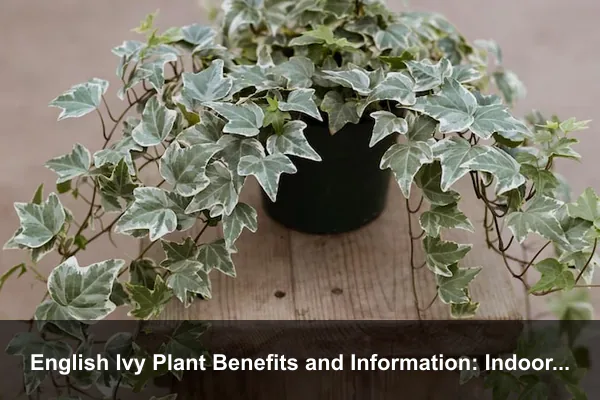
English Ivy plant benefits and information are often discussed in simple terms: it is attractive, it trails beautifully, and it can make a room feel greener. But this classic vine deserves a more practical look. English ivy is not just another decorative houseplant. It is a climbing, trailing, fast-growing species with a long history in gardens, interior design, symbolism, and indoor plant collections.
Known botanically as Hedera helix, English ivy can be grown in hanging baskets, trained over small trellises, shaped around frames, or kept compact on a shelf. Its benefits come from its flexible growth habit, dense evergreen foliage, and ability to bring vertical greenery into tight spaces. At the same time, it requires responsible handling because it can be toxic to pets and may become invasive outdoors in some regions.
This guide covers the real benefits of English ivy, key plant information, indoor care, safety concerns, varieties, and responsible growing tips so you can decide whether this elegant vine belongs in your home or garden plan.
What Is English Ivy?

English ivy is an evergreen woody vine native to parts of Europe, western Asia, and northern Africa. It has become widely cultivated around the world because of its distinctive lobed leaves and its ability to climb walls, tree trunks, fences, and supports using small aerial rootlets. Indoors, it is usually grown as a trailing or climbing houseplant rather than allowed to spread freely.
The plant has two main growth forms. The juvenile form produces the familiar lobed leaves most people recognize. The mature adult form, which develops when the plant climbs and ages outdoors, may produce less-lobed leaves, flowers, and dark berries. Indoor plants usually remain in the juvenile foliage stage for a long time, which is why they stay decorative and compact with regular pruning.
Basic English Ivy Plant Information
- Botanical name: Hedera helix
- Common name: English ivy, common ivy, European ivy
- Plant type: Evergreen climbing or trailing vine
- Best indoor use: Hanging basket, shelf plant, trellis plant, topiary, vertical greenery
- Light preference: Bright indirect light to medium indirect light
- Watering style: Even moisture with good drainage
- Pet safety: Toxic to cats and dogs if eaten
- Outdoor caution: Can be invasive in some climates and regions
For people searching for English Ivy plant benefits and information, this basic profile is important because the plant is both useful and demanding. It offers beauty and flexibility, but it should be placed thoughtfully and maintained before it becomes leggy, dusty, pest-prone, or uncontrolled.
Key English Ivy Plant Benefits
The biggest English ivy benefits are not based on one single feature. They come from how the plant grows, how it can be shaped, and how it changes the feeling of a space. Unlike upright plants that occupy floor or tabletop space, English ivy can drape, climb, soften hard edges, and create a natural green frame around indoor areas.
1. Excellent for Vertical Greenery
One of the most unique benefits of English ivy is its ability to add greenery vertically. It can be trained up a moss pole, small trellis, wire frame, or wall-mounted planter. This makes it useful for apartments, small rooms, balconies, and offices where floor space is limited.
Vertical greenery is especially helpful in modern interiors with many straight lines, shelves, screens, and hard surfaces. A trailing ivy plant can soften these shapes without needing a large container or wide growing area.
2. Attractive Trailing Foliage for Small Spaces
English ivy works well in hanging baskets and narrow shelves because its vines naturally cascade downward. This makes it a strong choice for people who want a lush plant effect without buying a large indoor tree. A single healthy plant can create a full, layered look when trimmed and rotated regularly.
3. Supports a Calmer Indoor Atmosphere
Plants do not need exaggerated health claims to be valuable. English ivy can help a space feel calmer simply by adding natural texture, color, and life. In the broader plant-benefits niche, this is one of the most practical advantages: plants help people build a visual connection with nature in rooms that might otherwise feel flat or mechanical.
4. Flexible for Creative Plant Styling
English ivy can be styled in many ways. It can look classic in a ceramic pot, cottage-inspired in a hanging basket, formal when trained into a topiary, or modern when clipped into a clean trailing shape. This flexibility makes it useful for plant lovers who enjoy changing layouts without constantly buying new plants.
5. Easy to Propagate from Cuttings
Healthy English ivy is usually simple to propagate from stem cuttings. This benefit makes it affordable for expanding a plant collection, filling a longer planter, or replacing older stems after pruning. Propagation also gives growers a chance to keep a preferred variety going even if the original plant becomes woody or tired over time.
English Ivy and Indoor Air Quality: What to Know
English ivy is often described as an air-purifying plant. This idea comes partly from controlled laboratory studies that tested plants for their ability to reduce certain airborne compounds under specific conditions. English ivy has appeared in discussions about indoor air quality, but it is important to understand the limits of these claims.
In a real home, a single potted ivy will not replace ventilation, filtration, cleaning, or moisture control. Homes are much larger and more complex than sealed test chambers. Airflow, dust, furniture materials, cooking, humidity, outdoor pollution, and cleaning products all affect indoor air.
A Balanced View of Air-Purifying Claims
English ivy may contribute modestly to a fresher-feeling room as part of a plant collection, especially when its leaves are kept clean. However, it should not be treated as a medical device or a guaranteed air purifier. If air quality is a serious concern, use proven solutions such as proper ventilation, reducing pollution sources, changing HVAC filters, controlling mold, and using an appropriate air purifier.
How English Ivy Helps Indirectly
- Leaf surface area: Dense foliage can collect dust, which can then be removed by wiping or rinsing the leaves.
- Transpiration: Like many plants, English ivy releases small amounts of moisture through its leaves, though it will not dramatically change indoor humidity by itself.
- Visual freshness: Green plants often make a room feel cleaner and more cared for, which can encourage better maintenance habits.
The honest conclusion is simple: English ivy can be part of a healthier indoor environment, but the strongest benefits come from combining it with good housekeeping, ventilation, and responsible plant care.
English Ivy Care Indoors: Light, Water, Soil, and Training
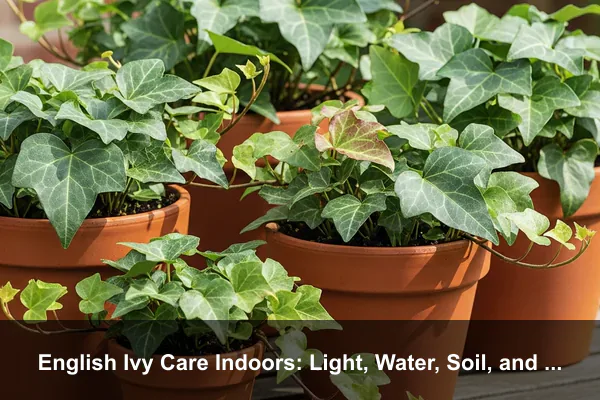
Good care is essential if you want the benefits of English ivy without the common problems. This plant can look lush and elegant when conditions are right, but it can decline quickly if it sits in soggy soil, dry heated air, or a dark corner for too long.
Light Requirements
English ivy grows best in bright, indirect light. A spot near an east-facing window or a few feet from a bright south or west window often works well. Variegated varieties usually need brighter light than solid green types to maintain their pattern.
If the light is too low, the vines may become long, thin, and sparse. If direct sun is too intense, especially through hot glass, the leaves may scorch or fade. Rotate the pot every week or two so growth stays even on all sides.
Watering Tips
Water English ivy when the top layer of the potting mix feels slightly dry. The goal is even moisture, not constant wetness. A pot with drainage holes is essential because soggy soil can lead to root rot.
- Check the top inch of soil with your finger.
- Water thoroughly until excess water drains from the bottom.
- Empty the saucer so the pot does not sit in standing water.
- Wait until the top layer begins to dry before watering again.
During warmer months, English ivy may need more frequent watering. In cooler months, growth slows and the plant usually needs less water.
Soil and Potting Mix
A light, well-draining potting mix is best. Standard indoor potting soil can work if it is not too dense, but adding perlite, fine bark, or another aerating material can improve drainage. Heavy soil holds too much water around the roots and increases the risk of yellow leaves, soft stems, and root damage.
Temperature and Humidity
English ivy often prefers cooler indoor conditions compared with many tropical houseplants. It generally performs well in comfortable room temperatures, especially when kept away from heaters, hot windows, and dry air vents. Very dry conditions can encourage spider mites, one of the most common pests on indoor ivy.
To improve humidity around the plant, group it with other houseplants, use a pebble tray, or place it in a naturally brighter bathroom if the light is suitable. Avoid misting as the only solution, because mist dries quickly and can sometimes contribute to leaf problems if airflow is poor.
Pruning and Training
Regular pruning keeps English ivy full and manageable. Pinch or cut back long vines just above a leaf node to encourage branching. You can allow the stems to trail, guide them up a trellis, or wrap them gently around a wire frame.
Pruning is not only cosmetic. It improves airflow, reduces tangled growth, and helps you inspect the plant for pests. It also gives you stem cuttings that can be propagated in water or moist potting mix.
Common Problems and How to Fix Them
Many English ivy problems come from imbalance: too much water, too little light, hot dry air, or missed pest inspections. The plant often gives clear warning signs before serious decline.
Yellow Leaves
Yellow leaves are often linked to overwatering, poor drainage, or a potting mix that stays wet for too long. Check the roots if the soil smells sour or the stems feel soft. Let the soil dry slightly, improve drainage, and remove badly damaged growth.
Brown Crispy Edges
Brown edges can happen when the plant is too dry, exposed to hot sun, or sitting near a heater. Check both soil moisture and leaf surfaces. If fine webbing appears, spider mites may be present.
Leggy Growth
Long stems with wide gaps between leaves usually mean the plant needs more light or more pruning. Move it to brighter indirect light and trim back thin vines to encourage fuller growth.
Spider Mites and Other Pests
English ivy can attract spider mites, especially in warm, dry rooms. Inspect the undersides of leaves regularly. If you notice speckled leaves, webbing, or a dusty look that does not wipe away easily, isolate the plant and rinse the foliage. Insecticidal soap or horticultural oil may help when used according to label directions.
Safety: Is English Ivy Toxic?
English ivy is beautiful, but it is not the best choice for every household. The leaves and berries contain compounds that can cause irritation and digestive upset if eaten. It is considered toxic to cats and dogs, and it can also irritate human skin in sensitive people.
Possible reactions in pets may include drooling, vomiting, diarrhea, or mouth irritation. Children should also be kept from chewing the leaves or berries. If a pet or child eats English ivy, contact a veterinarian, doctor, or poison control service for guidance.
Safe Placement Tips
- Place English ivy in hanging baskets or on high shelves away from pets.
- Use gloves when pruning if your skin is sensitive.
- Clean up fallen leaves and cut stems immediately.
- Do not use English ivy as an edible or medicinal plant.
- Choose pet-safe alternatives if your cat or dog chews houseplants.
This safety information is a key part of any responsible guide to English Ivy plant benefits and information. A plant can be beneficial and still require careful placement.
Responsible Outdoor Growing and Invasive Concerns
English ivy has a complicated reputation outdoors. In some places, it is valued as a traditional groundcover or wall-climbing plant. In other regions, especially where climate conditions allow it to spread aggressively, it can become invasive.
When English ivy escapes cultivation, it may climb trees, cover native plants, create dense mats, and make natural areas harder to restore. It can also add weight to branches and hide structural issues on walls or fences. Because of this, outdoor planting should be approached carefully.
How to Grow English Ivy Responsibly
- Check local guidance before planting English ivy outdoors.
- Prefer containers instead of planting directly in the ground.
- Keep vines trimmed and prevent them from spreading into natural areas.
- Do not dump cuttings in parks, vacant lots, waterways, or compost piles where stems may root.
- Dispose of invasive-prone cuttings securely according to local recommendations.
If English ivy is listed as invasive in your area, enjoy it as a controlled indoor plant or choose a better outdoor alternative. Responsible gardening is part of the real benefit of plant knowledge.
Popular English Ivy Varieties for Indoor Growing
English ivy comes in many cultivars with different leaf shapes, sizes, and colors. Choosing the right variety can make care easier and help the plant match your space.
Variegated English Ivy
Variegated types have leaves marked with white, cream, silver, or yellow. They are highly decorative but often need brighter indirect light to keep their color. In very low light, variegation may fade or growth may become weak.
Compact and Curly Types
Some cultivars have smaller, curled, or ruffled leaves. These can be excellent for desktops, small shelves, and topiary forms. They usually need consistent watering because smaller pots dry faster.
Classic Green English Ivy
Solid green varieties are often more forgiving in medium light and can create a rich, traditional look. They are a good choice if you want a simple trailing vine without relying on variegated color.
Where English Ivy Works Best in the Home
The best place for English ivy is a spot where its vines can be seen, maintained, and kept safely away from pets. It should not be forgotten in a dark corner or placed where its stems can attach to delicate surfaces.
Good Indoor Locations
- Hanging basket near a bright window: Ideal for cascading vines and good airflow.
- Bookshelf with indirect light: Useful for softening vertical lines and adding texture.
- Kitchen window area: Works if the plant gets light and is kept away from heat and cooking grease.
- Bathroom with a window: Can suit ivy if the room is bright and not constantly damp.
- Small trellis planter: Best for a controlled climbing shape.
Places to Avoid
- Dark corners with little natural or grow light.
- Hot windowsills with harsh afternoon sun.
- Areas within reach of pets or small children.
- Walls or woodwork where aerial roots may cling.
- Drafty spots near air conditioners or heaters.
Buying Checklist for a Healthy English Ivy Plant
Before buying English ivy, inspect the plant carefully. A healthy plant should have firm stems, evenly colored leaves, and no signs of pests. Because ivy can hide spider mites in dense foliage, take extra time to check leaf undersides.
- Look for full growth from the base, not only long vines at the tips.
- Avoid plants with sticky residue, webbing, or heavy leaf drop.
- Check that the pot has drainage holes.
- Choose variegated plants with clear color contrast and no major browning.
- Inspect the soil; it should not smell sour or be waterlogged.
After bringing the plant home, keep it separate from other houseplants for a short observation period. This helps prevent pests from spreading to the rest of your collection.
Conclusion
English ivy is a classic indoor vine with benefits that go beyond simple decoration. It offers vertical greenery, trailing texture, flexible styling, easy propagation, and a strong visual connection to nature. For small homes, shelves, hanging baskets, and trellis displays, it can be one of the most useful ornamental vines.
At the same time, the best English Ivy plant benefits and information include the cautions. This plant is toxic if eaten, can attract pests in dry conditions, and may become invasive outdoors in certain regions. Grow it indoors with bright indirect light, careful watering, regular pruning, and responsible placement. When managed well, English ivy can be a beautiful, practical, and rewarding plant for people who want greenery that climbs, trails, and transforms a space.
