
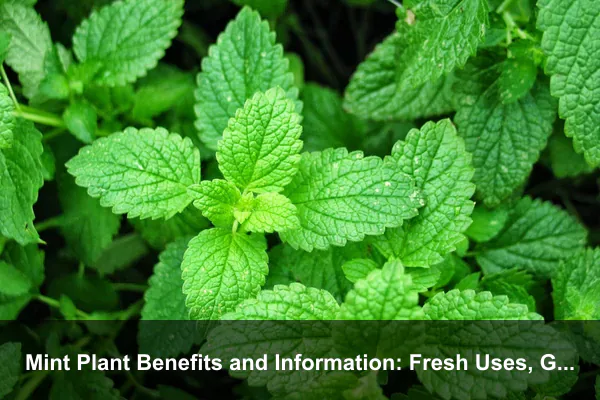
Mint is one of the most useful herbs to grow at home because it offers more than a fresh fragrance. This fast-growing plant can support everyday cooking, simple herbal drinks, small-space gardening, and a greener kitchen routine. For readers searching for mint plant benefits and information, the most important thing to know is that mint is practical, resilient, and easy to harvest when grown with the right care.
Unlike many decorative houseplants, mint is usually grown for its edible leaves and strong aromatic oils. It can thrive in pots, balcony gardens, kitchen windows, raised beds, and herb corners, but it also needs boundaries because it spreads aggressively in open soil. This guide explains the benefits, uses, growing needs, harvesting tips, and safety notes that make mint a valuable herbal plant for beginners and experienced gardeners.
What Is a Mint Plant?
Mint refers to aromatic plants in the Mentha genus. These herbs are known for square stems, opposite leaves, refreshing scent, and a cooling flavor caused mainly by natural compounds such as menthol. Popular types include peppermint, spearmint, apple mint, chocolate mint, and Moroccan mint.
Mint is a perennial herb in many climates, meaning it can return year after year when conditions are suitable. In warm regions, it may grow almost continuously. In cooler areas, the top growth may die back during cold weather while the roots survive underground.
Common Types of Mint
- Peppermint: Strong cooling flavor, often used for tea, desserts, and aromatherapy-style home uses.
- Spearmint: Milder and sweeter, excellent for salads, sauces, drinks, and daily cooking.
- Apple mint: Soft, slightly fruity aroma with fuzzy leaves.
- Chocolate mint: A peppermint relative with a dessert-like scent.
- Moroccan mint: Popular for traditional mint tea and refreshing beverages.
Mint Plant Benefits for Home and Garden
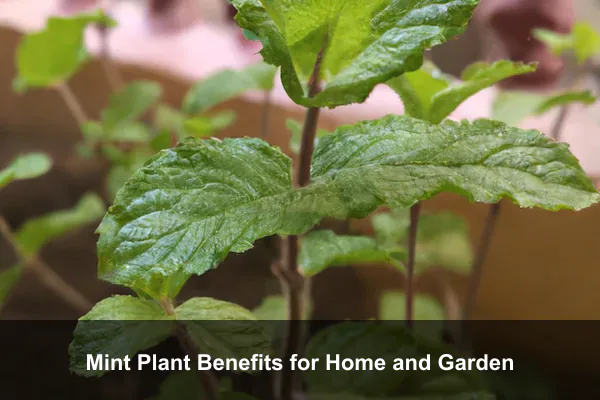
The benefits of mint are practical rather than mysterious. It is not a miracle cure, but it is a useful plant that can improve home cooking, gardening habits, and sensory comfort. Its leaves are easy to pick, quick to regrow, and versatile in many everyday routines.
Fresh Flavor for Food and Drinks
One of the best-known mint plant benefits is its culinary value. Fresh mint leaves can brighten meals without adding sugar, heavy sauces, or artificial flavoring. Spearmint works well in salads, yogurt dips, fruit bowls, iced tea, and vegetable dishes. Peppermint is stronger and often better for tea, chocolate desserts, and cooling drinks.
Aromatic Leaves for a Fresher Space
Mint leaves release a clean, refreshing scent when touched or crushed. A small pot near a kitchen window or patio can make a space feel fresher, especially after watering or harvesting. The aroma is not a replacement for cleaning, but it can add a pleasant herbal note to the home.
Helpful Herb for Beginner Gardeners
Mint is forgiving compared with many herbs. It can tolerate partial shade, grows quickly after trimming, and does not require complicated care. This makes it a good plant for beginners who want to practice watering, pruning, and harvesting without waiting months for results.
Pollinator-Friendly Garden Plant
When allowed to flower, mint can attract bees and other beneficial insects. The small flowers are not usually the main reason people grow mint, but they can support biodiversity in a balcony or garden. If you want more leafy growth, trim flower buds early; if you want pollinator support, let a few stems bloom.
How to Use Mint Leaves Safely
Mint is widely used in food and drinks, but safe use still matters. Fresh leaves are usually enjoyed in small culinary amounts. Strong preparations, concentrated essential oils, and medicinal use require more caution, especially for children, pregnant people, nursing people, or anyone with medical conditions.
Simple Everyday Uses
- Add fresh leaves to water with lemon or cucumber.
- Steep a few washed leaves in hot water for a light herbal tea.
- Chop spearmint into salads, rice dishes, or yogurt sauce.
- Blend mint into smoothies in small amounts.
- Freeze leaves in ice cubes for cold drinks.
Important Safety Notes
Do not apply undiluted peppermint essential oil to the skin or ingest essential oil unless guided by a qualified professional. People with reflux may find that peppermint worsens symptoms. If you take medication or have a health condition, use mint as a food herb rather than a treatment unless your clinician advises otherwise.
Mint Plant Care Requirements
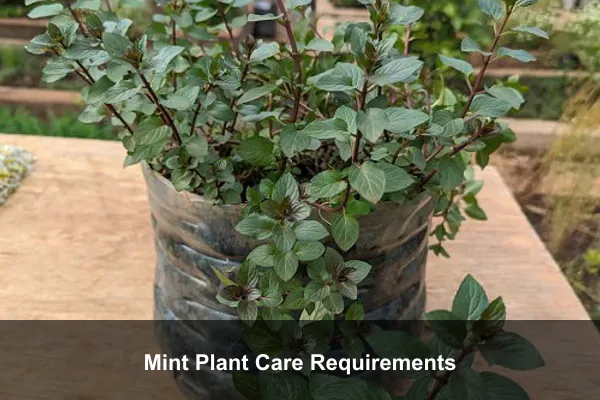
Mint care is simple when you understand its preferences. The plant likes consistent moisture, bright light with some protection from harsh heat, and regular trimming. The biggest mistake is planting mint directly into a small garden bed without control, because its underground runners can spread quickly.
Light
Mint grows best in bright indirect light or partial sun. Outdoors, morning sun and afternoon shade are ideal in hot climates. Indoors, place it near a bright window where it gets several hours of light. If stems become long, weak, and pale, the plant likely needs more light.
Water
Mint prefers evenly moist soil, but it should not sit in stagnant water. Water when the top layer of soil begins to feel slightly dry. In hot weather or small pots, mint may need frequent watering because its leafy growth uses moisture quickly.
Soil and Potting
Use loose, well-draining potting mix with organic matter. A container with drainage holes is essential. For most home growers, a pot is better than open ground because it keeps mint contained and easier to manage.
Pruning
Regular pruning keeps mint full and productive. Pinch or cut stems just above a leaf pair. This encourages branching and prevents the plant from becoming tall, woody, or messy. Harvesting is also pruning, so frequent small harvests are good for the plant.
Growing Mint in Pots Without Letting It Take Over
Mint is famous for spreading. In open soil, it sends runners outward and can compete with nearby plants. This vigorous habit is useful when you want abundant leaves, but it can become a problem in a neat garden.
The easiest solution is container growing. Choose a pot at least 8 to 12 inches wide for a healthy plant. If placing the pot outdoors, keep it on a patio, shelf, or saucer rather than burying it directly in the garden soil. Roots can escape through drainage holes if the pot touches soil for a long time.
Container Tips
- Use one mint variety per pot to prevent flavors and roots from mixing.
- Repot or divide the plant when roots fill the container.
- Trim long runners before they root into nearby soil.
- Refresh the potting mix when growth becomes weak or compacted.
Harvesting and Storing Mint Leaves
You can begin harvesting mint once the plant has several healthy stems. The best flavor usually comes from young, fresh leaves harvested before flowering. Pick leaves in the morning after dew dries, especially if you plan to store or dry them.
How to Harvest
Use clean scissors or pinch stems with your fingers. Avoid removing more than one-third of the plant at one time unless it is very established. Cutting stems encourages new shoots, while picking only single leaves may leave the plant looking sparse.
How to Store Fresh Mint
- Wrap washed and dried mint loosely in a damp paper towel and store it in a container in the refrigerator.
- Place stems in a glass of water like a small bouquet and cover loosely with a bag.
- Freeze chopped leaves in ice cube trays for drinks and soups.
- Dry leaves in a shaded, airy place and store them in an airtight jar.
Common Mint Plant Problems
Mint is hardy, but it can still suffer from stress. Most problems come from poor light, soggy soil, crowded roots, or lack of pruning. Checking the plant regularly helps you solve issues early.
Yellow Leaves
Yellowing leaves may come from overwatering, poor drainage, nutrient depletion, or old growth. Check the soil first. If it stays wet for too long, improve drainage and reduce watering frequency.
Leggy Growth
Long stems with wide gaps between leaves usually mean the plant needs more light. Move it closer to a brighter window or provide more outdoor morning sun.
Brown Leaf Tips
Brown tips can happen when the plant dries out repeatedly, receives harsh afternoon sun, or sits in compacted soil. Adjust watering and trim damaged leaves to encourage fresh growth.
Conclusion
Mint is a practical herbal plant with benefits that fit everyday life. It offers fresh flavor, a cooling aroma, quick harvests, beginner-friendly growth, and useful value for small gardens. The key to success is simple: grow mint in a container, give it bright light, keep the soil lightly moist, and prune it often.
For anyone researching mint plant benefits and information, this herb is best understood as a productive kitchen companion rather than just a decorative plant. With mindful use and basic care, mint can provide fresh leaves for drinks, meals, and home gardening enjoyment throughout much of the year.
