
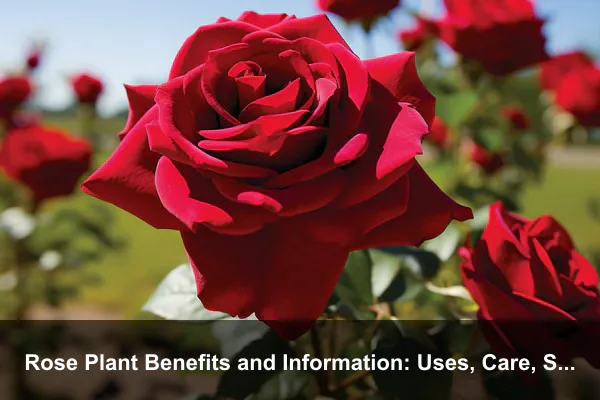
The rose plant is one of the most recognized flowering plants in the world, but its value goes far beyond beautiful petals and romantic symbolism. When people search for Rose plant benefits and information, they often want to know whether roses are useful, how to grow them well, what parts can be used safely, and why this classic flower still deserves a place in modern gardens.
Roses offer a rare combination of ornamental beauty, fragrance, cultural meaning, wildlife support, and practical household uses. In the broader context of plant benefits, roses are not just decorative shrubs; they can improve outdoor spaces, support pollinators, provide edible petals and rosehips when grown safely, and bring seasonal interest to home gardens. This guide explains the most important benefits of rose plants, essential growing information, care tips, safe uses, and realistic advice for beginners who want healthier blooms.
What Makes the Rose Plant Unique?
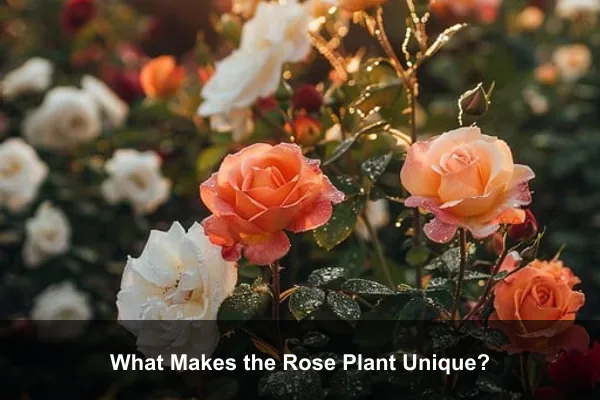
Roses belong to the genus Rosa, a large group of woody flowering plants with thousands of cultivated varieties. They can grow as compact shrubs, climbing plants, ground covers, miniature container plants, or long-stemmed garden roses. This diversity is one reason roses remain popular across many climates, garden styles, and cultural traditions.
The rose plant is unique because it combines several desirable features in one plant. It can be grown for color, fragrance, cut flowers, hedging, symbolism, pollinator value, and in some cases edible or cosmetic uses. Unlike many flowering plants that bloom briefly and disappear, many modern roses can flower repeatedly from spring into autumn when cared for properly.
Basic Rose Plant Information
Most rose plants prefer full sun, fertile soil, steady watering, and good air circulation. They are perennial plants, meaning they can live for many years when planted in the right place. Some old garden roses are prized for strong fragrance and historical character, while modern hybrid teas, floribundas, shrub roses, and landscape roses are often selected for repeat blooming and disease resistance.
- Plant type: Perennial woody flowering shrub or climber.
- Best light: At least 6 hours of direct sunlight daily.
- Soil preference: Well-draining, fertile soil with organic matter.
- Bloom season: Usually spring to fall, depending on variety and climate.
- Main features: Fragrant flowers, thorny stems, colorful blooms, and sometimes rosehips.
Main Benefits of Rose Plants
The benefits of rose plants include visual, emotional, ecological, and practical advantages. While roses should not be treated as a cure for health conditions, they can contribute positively to daily life when used appropriately and safely.
1. Beautiful Ornamental Value
The most obvious benefit of the rose plant is its ornamental beauty. Roses can transform a simple garden into a more elegant, colorful, and inviting space. Their flowers come in red, pink, white, yellow, orange, purple, cream, and many blended shades. This makes roses highly adaptable for formal gardens, cottage gardens, borders, patios, and small urban spaces.
Roses also provide structure. A climbing rose can soften a wall or pergola, while shrub roses can create a flowering hedge. Miniature roses can brighten balconies and container gardens. For homeowners, healthy rose plants can improve curb appeal and make outdoor areas feel more cared for.
2. Natural Fragrance for the Garden
Many roses are valued for their fragrance. Depending on the variety, rose scent can be sweet, fruity, spicy, musky, citrus-like, or classic floral. Fragrant roses are especially useful near seating areas, walkways, entrances, and windows where people can enjoy the aroma naturally.
Not every modern rose has a strong scent, so fragrance should be part of the selection process if aroma is important. Old garden roses, Damask roses, Bourbon roses, and some English-style roses are often chosen for stronger perfume.
3. Support for Pollinators
Simple and semi-double roses can support bees and other beneficial insects by providing accessible pollen. Highly double roses may look dramatic, but their dense petals can make it difficult for pollinators to reach the flower center. Gardeners who want both beauty and wildlife value should include some open-centered rose varieties.
Roses also fit well in mixed planting schemes. When grown alongside herbs, native flowers, and other flowering shrubs, they can help create a more balanced garden that attracts beneficial insects throughout the season.
4. Edible Petals and Rosehips
Rose petals and rosehips are edible from plants that have not been treated with unsafe pesticides, fungicides, or florist chemicals. Petals are sometimes used in teas, syrups, desserts, jams, and aromatic waters. Rosehips, the fruit-like structures that form after pollination, are known for their tart flavor and are commonly used in herbal teas and preserves.
However, edible use requires caution. Only use roses that are correctly identified, organically grown or food-safe, and free from chemical sprays. Avoid eating roses from florists, roadside plantings, or unknown gardens because they may have been treated with products not intended for food crops.
5. Emotional and Cultural Benefits
Roses carry deep meaning across cultures. Red roses are associated with love and respect, white roses with purity or remembrance, yellow roses with friendship, and pink roses with gratitude or admiration. These meanings make roses popular for celebrations, memorials, weddings, and personal gifts.
In the home garden, growing roses can also provide emotional satisfaction. Pruning, watering, watching buds develop, and harvesting fresh blooms can create a calming routine. Gardening itself is often valued for reducing daily stress and encouraging time outdoors, and roses add a rewarding visual result to that routine.
Popular Types of Rose Plants
Choosing the right rose type is one of the most important steps for success. Some roses are best for cut flowers, while others are better for low-maintenance landscapes or small spaces.
Hybrid Tea Roses
Hybrid tea roses produce classic high-centered blooms, often one flower per stem. They are popular for cutting gardens and formal displays. They may need more care than landscape roses, especially in humid climates where fungal diseases are common.
Floribunda Roses
Floribunda roses produce clusters of flowers and often bloom heavily throughout the season. They are useful for garden beds, borders, and colorful mass plantings. Many floribundas are easier for beginners than hybrid teas because they provide abundant flowers with a more relaxed shape.
Shrub and Landscape Roses
Shrub roses are valued for resilience, repeat blooming, and natural garden form. Many modern landscape roses are bred for disease resistance and lower maintenance. They are a strong choice for beginners who want rose plant benefits without demanding daily care.
Climbing Roses
Climbing roses have long canes that can be trained along arches, fences, trellises, and pergolas. They do not cling like ivy, so they need support and tying. A healthy climbing rose can create a dramatic vertical feature and save ground space in smaller gardens.
Miniature and Patio Roses
Miniature roses are compact plants suitable for containers, balconies, and small gardens. They still need sunlight, good drainage, and regular attention. They are not automatically indoor plants; most perform better outdoors with strong light and airflow.
How to Grow Healthy Rose Plants
Healthy rose plants start with good site selection. Roses are often described as demanding, but many problems happen because the plant is placed in too much shade, heavy wet soil, or crowded conditions. A strong beginning reduces disease pressure and improves flowering.
Light Requirements
Most roses need at least 6 hours of direct sunlight per day. Morning sun is especially helpful because it dries dew from leaves and reduces fungal problems. In very hot climates, light afternoon shade can protect blooms from scorching, but too much shade will reduce flowering and make stems weak.
Soil and Planting
Roses grow best in soil that drains well but still holds enough moisture for roots. Before planting, improve poor soil with compost or well-rotted organic matter. Avoid planting roses in compacted ground where water sits for long periods. Raised beds can help in areas with heavy clay soil.
- Choose a sunny location with good air movement.
- Dig a planting hole wider than the root ball.
- Mix compost into the surrounding soil, not just the hole.
- Place the rose at the correct depth for your climate and rose type.
- Water deeply after planting and mulch around the base.
Watering Tips
Rose plants prefer deep, consistent watering rather than frequent shallow watering. Water near the base of the plant to keep foliage drier. Wet leaves, especially overnight, can encourage black spot, powdery mildew, and other fungal issues.
A layer of mulch helps conserve moisture, reduce weeds, and keep soil temperatures more stable. Keep mulch slightly away from the main stems to prevent excess moisture around the crown.
Feeding and Fertilizing
Roses are moderate to heavy feeders during active growth. A balanced rose fertilizer or organic feeding program can support stronger stems and repeat blooming. Begin feeding when new growth starts in spring, then follow the product instructions or local gardening advice. Avoid heavy late-season fertilizing in cold climates because it can encourage soft growth before winter.
Pruning and Maintenance for Better Blooms
Pruning is one of the most important rose care skills. It improves shape, encourages new flowering wood, removes dead or diseased stems, and increases airflow through the plant. The right pruning method depends on the type of rose, but the basic goal is the same: keep the plant healthy and productive.
When to Prune Roses
Many roses are pruned in late winter or early spring when buds begin to swell but before strong growth has fully started. Once-blooming old garden roses are often pruned after flowering because they bloom on older wood. Climbing roses require lighter, more strategic pruning so their main canes can keep producing side shoots.
Simple Pruning Rules
- Remove dead, damaged, weak, or crossing stems first.
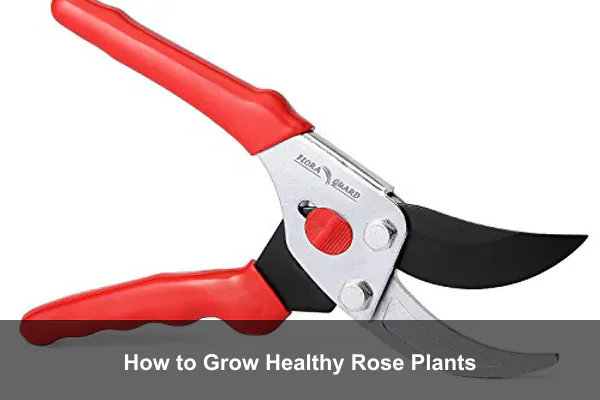
- Use clean, sharp pruning shears to make smooth cuts.
- Cut just above an outward-facing bud when shaping shrub roses.
- Open the center of the plant to improve airflow.
- Dispose of diseased leaves instead of composting them.
Deadheading Spent Flowers
Deadheading means removing faded flowers. For repeat-blooming roses, this can encourage more blooms and keep the plant tidy. If you want rosehips, leave some flowers on the plant so hips can develop after pollination.
Common Rose Plant Problems and Solutions
Roses can face pests and diseases, but prevention is usually easier than rescue. The best protection is choosing disease-resistant varieties, planting in the right location, watering correctly, and keeping the plant clean and well-spaced.
Black Spot
Black spot is a common fungal disease that causes dark spots and yellowing leaves. It is more common in humid conditions and where leaves stay wet. Improve airflow, water at soil level, remove infected leaves, and choose resistant varieties when possible.
Powdery Mildew
Powdery mildew appears as a white powdery coating on leaves and buds. It often develops when days are warm, nights are cool, and air circulation is poor. Avoid overcrowding and prune for airflow.
Aphids
Aphids are small insects that gather on tender new growth and flower buds. They can often be removed with a strong spray of water or managed by encouraging beneficial insects. Avoid unnecessary broad-spectrum pesticides because they can harm pollinators and natural predators.
Japanese Beetles and Other Chewing Pests
In some regions, beetles chew rose petals and leaves. Hand-picking in the morning, using physical barriers, and selecting less attractive varieties can help. Local extension services can provide region-specific advice for severe infestations.
Safe Uses of Roses at Home
Rose plants have a long history of use in food, fragrance, beauty routines, and traditional preparations. Still, safety matters. Natural does not always mean risk-free, especially for people with allergies, sensitive skin, pets, or medical conditions.
Using Rose Petals
Food-safe rose petals can be used fresh or dried in small amounts. They are popular in herbal tea blends, desserts, infused sugar, syrups, and floral garnishes. Remove the bitter white base of the petal if the flavor is too strong.
Using Rosehips
Rosehips can be harvested when they turn red or orange, usually after flowers fade and the plant has been pollinated. They are often dried for tea or cooked into jellies and syrups. The hairy seeds inside rosehips can irritate the mouth and digestive tract, so proper preparation is important.
Rose Water and Fragrance Uses
Rose water and rose-infused products are common in skincare and fragrance traditions. If making homemade rose water, use clean petals from unsprayed plants and store the preparation safely. For skin use, patch testing is wise because some people react to fragrant compounds.
Pet and Child Safety
Rose petals are generally considered less concerning than many toxic ornamental plants, but thorns can injure children and pets. Chemical sprays, fertilizers, and pest products may also create risks. Place thorny roses away from narrow paths and play areas, and store garden products securely.
Best Ways to Use Roses in Garden Design
Rose plants are flexible in garden design. They can be a focal point, a border plant, a fragrant entryway feature, or part of a mixed edible and ornamental garden. The best design depends on the rose type and the amount of maintenance you can provide.
Rose Borders
Floribunda and shrub roses work well in borders because they produce repeated color. Plant them with perennials that hide the lower stems and extend seasonal interest. Good companions may include salvia, catmint, lavender, ornamental grasses, and low-growing herbs, depending on climate.
Climbing Rose Features
A climbing rose can frame a gate, soften a fence, or cover a trellis. It needs strong support and regular tying because rose canes are not self-clinging. Train main canes horizontally where possible to encourage more flowering side shoots.
Container Roses
Container roses are useful for patios and small spaces. Choose compact varieties, use a large pot with drainage holes, and water more often than in-ground roses. Container plants dry out faster and need regular feeding during the growing season.
How to Choose the Right Rose Plant
To enjoy the full benefits of rose plants, select varieties that match your climate, space, and care level. A beautiful rose that struggles with local disease pressure may become frustrating, while a resilient variety can bloom reliably for years.
Selection Checklist
- Climate fit: Choose roses suited to your winter cold, summer heat, and humidity.
- Disease resistance: Look for varieties known to resist black spot and mildew.
- Growth habit: Match shrub, climbing, miniature, or groundcover roses to the space.
- Fragrance: Select scented varieties if aroma is a priority.
- Purpose: Decide whether you want cut flowers, pollinator value, rosehips, hedging, or low maintenance.
Beginner-Friendly Advice
Beginners should start with one or two strong, disease-resistant roses rather than a large collection. Observe how they respond to your garden conditions before adding more. Landscape roses and hardy shrub roses are often easier starting points than delicate exhibition roses.
Conclusion
The rose plant remains popular because it offers a powerful mix of beauty, fragrance, meaning, and practical value. From colorful garden displays and fragrant walkways to pollinator support, edible petals, rosehips, and thoughtful gifts, roses provide many benefits when grown and used safely.
For the best results, choose a rose variety suited to your climate, plant it in a sunny location, provide well-draining soil, water deeply, prune regularly, and avoid unsafe chemical use if you plan to harvest petals or hips. With the right care, roses can become long-lived flowering plants that bring elegance, biodiversity, and seasonal joy to the garden year after year.
