
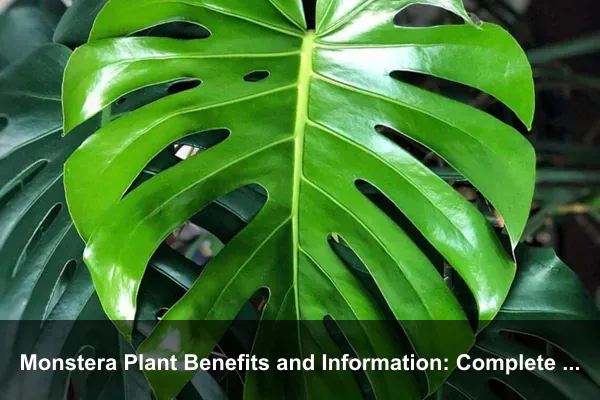
The Monstera is one of the most recognizable indoor plants in the world, loved for its large split leaves, tropical character, and ability to transform a room with very little effort. If you are searching for Monstera plant benefits and information, this guide covers what makes the plant special, how it supports indoor living, and what you should know before growing one at home.
Often called the Swiss cheese plant, Monstera is more than a decorative houseplant. It can improve the feeling of a space, support a calmer home environment, and give beginner gardeners a rewarding plant to care for. With the right light, soil, watering routine, and basic maintenance, a Monstera can grow into a long-lasting focal point for homes, offices, apartments, and small indoor gardens.
What Is a Monstera Plant?
Monstera is a tropical plant genus native to rainforests in Central and South America. The most popular indoor variety is Monstera deliciosa, known for its glossy green leaves that develop natural splits and holes as the plant matures. These dramatic leaf openings are called fenestrations.
In nature, Monstera grows as a climbing plant. It uses aerial roots to attach itself to trees and reach brighter filtered light under the rainforest canopy. Indoors, this same climbing habit means the plant often benefits from a moss pole, stake, or trellis for support.
Common Monstera Varieties
- Monstera deliciosa: The classic Swiss cheese plant with large split leaves.
- Monstera adansonii: A smaller trailing or climbing type with more oval holes in the leaves.
- Monstera albo: A rare variegated form with white and green leaves.
- Monstera Thai Constellation: A popular variegated type with creamy speckled patterns.
Top Monstera Plant Benefits
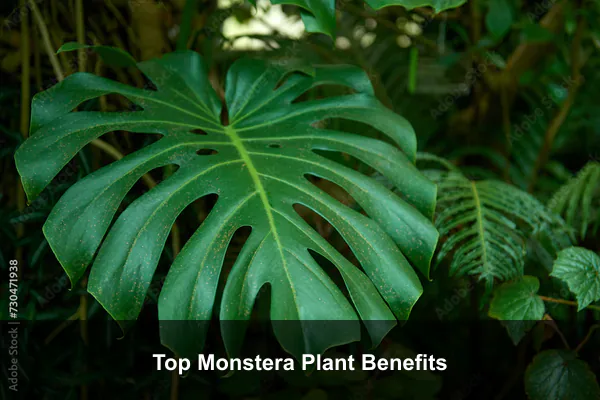
Many people choose Monstera for its beauty, but the plant offers several practical and lifestyle benefits as well. While it should not be treated as a medical solution or a replacement for proper ventilation, it can contribute positively to an indoor environment.
1. Adds Strong Visual Appeal
The most obvious benefit of a Monstera plant is its bold ornamental value. Its large leaves create a lush, tropical look that works well with modern, minimalist, bohemian, and natural interior styles. A mature Monstera can become a living statement piece without needing flowers or complicated decoration.
2. Supports a Calmer Indoor Atmosphere
Indoor plants are often associated with a more relaxing and comfortable atmosphere. Caring for a Monstera can become a simple routine that encourages mindfulness, patience, and attention to the living space. For people who work from home, a healthy green plant nearby can make the room feel less sterile and more inviting.
3. Helps Improve Perceived Air Freshness
Like many green houseplants, Monstera participates in natural plant processes such as photosynthesis and transpiration. It can help a room feel fresher, especially when combined with good airflow, regular cleaning, and proper humidity. The plant is not a substitute for an air purifier, but it can be part of a healthier indoor setup.
4. Great for Beginners
Monstera is generally forgiving compared with many delicate tropical plants. It can tolerate occasional missed watering, adapts to common indoor conditions, and usually gives visible signs when something is wrong. Yellowing leaves, drooping stems, or dry edges can help owners adjust watering, light, or humidity before the plant declines seriously.
5. Easy to Propagate
Another useful benefit is that Monstera can be propagated from stem cuttings that include a node. This makes it possible to create new plants, share cuttings with friends, or refresh an older plant over time. Propagation is one reason Monstera remains popular among houseplant collectors.
Monstera Plant Care Information
Good care is the key to getting the best from your Monstera. Although the plant is adaptable, it grows best when its indoor conditions resemble the warm, bright, and humid environment of a tropical forest.
Light Requirements
Monstera prefers bright, indirect light. Place it near a window where it receives plenty of filtered sunlight. Direct afternoon sun can scorch the leaves, while very low light can slow growth and reduce leaf splitting. If your plant produces small leaves with few fenestrations, it may need brighter indirect light.
Watering Tips
Water your Monstera when the top few centimeters of soil feel dry. Avoid keeping the soil constantly wet, because soggy roots can lead to root rot. A simple method is to check the soil with your finger before watering. If it still feels damp, wait a few more days.
- Use a pot with drainage holes.
- Water thoroughly until excess water drains out.
- Empty saucers after watering.
- Reduce watering during cooler or darker months.
Soil and Potting
Monstera grows best in a loose, well-draining potting mix. A good blend may include indoor plant soil, orchid bark, perlite, and coco coir. The goal is to hold some moisture while allowing extra water to drain away quickly.
Humidity and Temperature
Because Monstera is a tropical plant, it appreciates moderate to high humidity. Normal household humidity is often acceptable, but dry air may cause brown leaf edges. Keep the plant away from cold drafts, heating vents, and air conditioners. Warm indoor temperatures are ideal.
How to Encourage Bigger Leaves and Splits
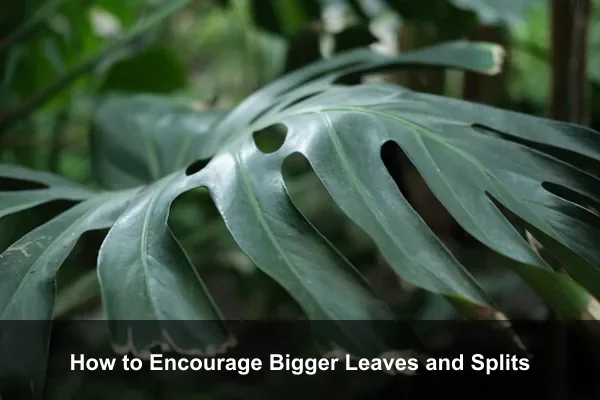
One of the most exciting parts of growing Monstera is watching new leaves unfurl. Young plants may begin with solid heart-shaped leaves, while mature plants develop dramatic cuts and holes. If you want larger leaves and stronger fenestration, focus on the plant’s overall growing conditions.
Provide Climbing Support
A moss pole or sturdy stake helps Monstera grow upward, similar to how it climbs trees in nature. When aerial roots can attach to support, the plant may produce larger, more mature leaves over time.
Give Consistent Bright Light
Leaf splits are strongly connected to maturity and light. A Monstera in dim light may stay alive but grow slowly. Move it to a brighter position with indirect light if growth looks weak or stretched.
Feed During the Growing Season
Use a balanced houseplant fertilizer during spring and summer. Follow label instructions carefully, because too much fertilizer can damage roots. Feeding is less important during slow-growth periods.
Monstera Safety and Common Problems
Monstera is beautiful, but it should be placed thoughtfully. The plant contains calcium oxalate crystals, which can irritate the mouth and digestive system if chewed. Keep it away from curious pets and small children.
Common Problems
- Yellow leaves: Often caused by overwatering, poor drainage, or natural aging of older leaves.
- Brown edges: May indicate dry air, underwatering, or inconsistent care.
- Drooping leaves: Can happen from thirst, root issues, or sudden environmental changes.
- No leaf splits: Usually linked to young plant age, low light, or lack of support.
- Pests: Watch for spider mites, scale, mealybugs, and fungus gnats.
Inspect your plant regularly, especially under the leaves and near stems. Early treatment is much easier than dealing with a severe pest problem.
Best Places to Display a Monstera Indoors
Monstera works well in many indoor spaces because it brings height, texture, and a natural green focal point. However, placement should balance design and plant health.
- Living room: Ideal for a mature Monstera near a bright window.
- Home office: Adds greenery and softens a work-focused space.
- Bedroom corner: Works if there is enough indirect light.
- Apartment balcony area: Suitable when protected from harsh direct sun and wind.
- Entryway: Good only if the area receives sufficient natural light.
Choose a location where the leaves have room to spread. Monstera can become wide as it matures, so avoid tight corners that bend or damage the foliage.
Conclusion
When it comes to Monstera plant benefits and information, the main takeaway is simple: Monstera is a beautiful, adaptable, and rewarding indoor plant with strong decorative value and beginner-friendly care needs. It can make a home feel fresher, calmer, and more connected to nature while also serving as a striking ornamental feature.
To grow a healthy Monstera, provide bright indirect light, well-draining soil, careful watering, and climbing support as it matures. Keep safety in mind around pets and children, watch for common care problems, and adjust conditions based on the plant’s visible signals. With consistent attention, a Monstera can become one of the most impressive and long-lasting houseplants in your indoor garden.
