
Hydrangeas are among the most memorable flowering shrubs in home gardens because they combine large, dramatic flower heads with a surprisingly practical role in the landscape. When people search for Hydrangea plant benefits and information, they are often looking for more than a pretty bloom. They want to know what hydrangeas do for a garden, how to keep them healthy, why their colors change, and whether they are suitable for homes with children or pets.
Unlike many tropical houseplants or culinary herbs, hydrangeas are best understood as long-lived ornamental shrubs. Their main value comes from seasonal beauty, structure, cut-flower potential, curb appeal, and their ability to brighten shaded or partially shaded areas where many flowering plants struggle. This guide covers hydrangea benefits, plant characteristics, care needs, bloom color science, common varieties, safety considerations, and practical growing tips for gardeners who want reliable flowers year after year.
What Is a Hydrangea Plant?
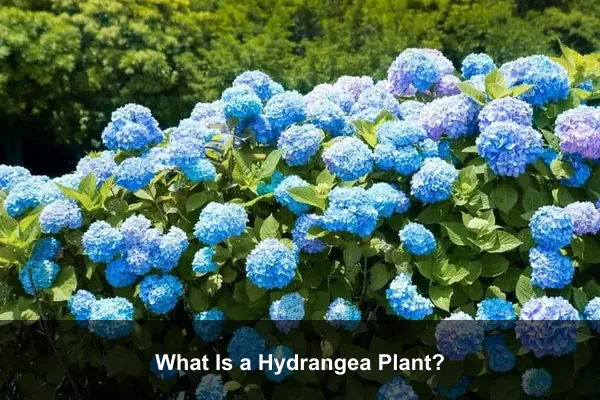
A hydrangea is a flowering shrub from the genus Hydrangea, known for rounded clusters, cone-shaped panicles, or lacecap-style flower heads. Depending on the type, hydrangeas may grow as compact shrubs, large landscape plants, climbing vines, or small tree-form specimens. They are commonly used in borders, foundation plantings, cottage gardens, woodland edges, and decorative containers.
Hydrangeas are especially popular because their flowers create a generous visual impact without requiring a highly formal garden design. A single mature shrub can produce dozens of bloom clusters, making it useful as a focal point or as part of a mixed planting with ferns, hostas, ornamental grasses, and other shade-tolerant plants.
Basic Hydrangea Plant Information
- Plant type: Deciduous flowering shrub, with some climbing forms.
- Best known for: Large flower clusters in blue, pink, purple, white, green, or red tones.
- Light needs: Morning sun with afternoon shade is ideal for many varieties.
- Soil preference: Moist, fertile, well-draining soil rich in organic matter.
- Water needs: Consistent moisture, especially during hot weather and flowering season.
- Main garden role: Ornamental flowering, landscape structure, seasonal color, and cut flowers.
Top Hydrangea Plant Benefits
The benefits of hydrangea plants are mostly ornamental and environmental rather than culinary or medicinal. In the context of manfaat tanaman, hydrangeas are valued for improving garden beauty, supporting relaxing outdoor spaces, and helping homeowners create more attractive, layered landscapes.
1. Hydrangeas Add Long-Lasting Seasonal Color
One of the biggest hydrangea plant benefits is its long bloom display. Depending on the variety and climate, hydrangeas may flower from late spring through summer, with some types continuing into fall. Even after peak bloom, many flowers age beautifully into muted green, rose, tan, or burgundy shades, extending their decorative value.
This long-lasting color makes hydrangeas useful for gardeners who want high visual reward without replacing annual flowers every season. They work especially well near patios, walkways, entryways, and garden corners that need a soft but noticeable focal point.
2. They Improve Landscape Structure
Hydrangeas are not only about flowers. Their broad leaves and rounded growth habit help give a garden structure. In landscape design, structure matters because it keeps a garden looking intentional even when some plants are not in bloom.
A mature hydrangea can soften fences, fill awkward gaps, frame a front porch, or create a transition between lawn and taller trees. Panicle hydrangeas can even be trained into small tree forms, adding height and elegance to small gardens.
3. Hydrangeas Are Excellent Cut Flowers
Hydrangea blooms are widely used in fresh and dried arrangements. Their large flower heads make bouquets feel full with only a few stems. Fresh hydrangeas are often used for home decoration, weddings, table arrangements, and seasonal floral displays.
For dried flowers, hydrangeas are particularly valuable because their petals can hold shape and color when harvested at the right time. This gives gardeners another benefit: flowers from the garden can continue decorating indoor spaces after the growing season ends.
4. They Can Brighten Part-Shade Areas
Many flowering plants demand full sun, but several hydrangea types perform well in partial shade. This makes them useful for areas beside walls, under high tree canopies, or near east-facing garden beds that receive morning light but avoid harsh afternoon sun.
This shade tolerance is one reason hydrangeas feel different from sun-loving flowers such as sunflowers or marigolds. Hydrangeas fill a unique role by bringing impressive blooms into softer, cooler garden spaces.
5. Hydrangeas Support Garden Atmosphere and Well-Being
While hydrangeas are not grown as edible herbs, they offer another kind of wellness benefit: they help create calm, beautiful outdoor spaces. A well-planted garden can encourage people to spend more time outside, reduce visual stress, and make home spaces feel more cared for.
The large blooms, gentle colors, and lush leaves of hydrangeas fit well in gardens designed for rest, reading, family gatherings, and quiet morning routines. Their value is aesthetic, emotional, and practical rather than medicinal.
Hydrangea Flower Colors and Soil Chemistry
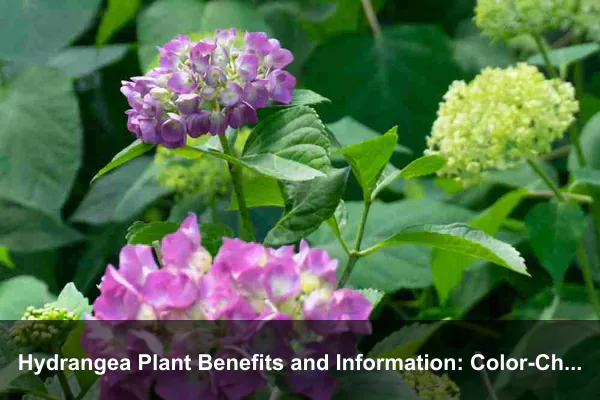
One of the most fascinating pieces of hydrangea plant information is the relationship between flower color and soil chemistry. Some hydrangeas, especially bigleaf hydrangeas, can produce blue, purple, or pink flowers depending on soil pH and aluminum availability.
Why Hydrangea Colors Change
In many bigleaf hydrangeas, acidic soil allows the plant to access aluminum more easily, which can encourage blue flowers. More alkaline soil often results in pinker flowers. Purple shades may appear when conditions fall between the two.
However, not all hydrangeas change color. White hydrangeas usually remain white, although they may age to green, cream, blush, or antique tones. Panicle hydrangeas often shift color naturally as flowers mature, but this is not controlled in the same way as blue and pink bigleaf hydrangeas.
Color Guide for Gardeners
- Blue blooms: Usually linked to more acidic soil and available aluminum.
- Pink blooms: Usually linked to more alkaline soil conditions.
- Purple blooms: Often appear in moderately acidic to neutral conditions.
- White blooms: Generally not changed by soil pH.
- Green aging: Common as many hydrangea flowers mature.
If you want to adjust hydrangea color, test the soil before adding amendments. Guessing can lead to poor results, and extreme changes may stress the plant. Make adjustments slowly and follow product directions carefully.
Popular Types of Hydrangea Plants
Choosing the right hydrangea depends on your climate, available space, sunlight, pruning habits, and design goals. The most common types have different bloom shapes and care requirements.
Bigleaf Hydrangea
Bigleaf hydrangeas are famous for mophead and lacecap flowers. Mopheads have large rounded flower clusters, while lacecaps have flatter blooms with small fertile flowers in the center and showier flowers around the edge. These are the hydrangeas most associated with blue and pink color changes.
They are beautiful but can be sensitive to winter damage in colder areas, especially if they bloom on old wood. Gardeners should check whether a variety blooms on old wood, new wood, or both before pruning.
Panicle Hydrangea
Panicle hydrangeas produce cone-shaped flower clusters and are often more sun-tolerant and cold-hardy than bigleaf types. Their blooms commonly start white or greenish and then age into pink, rose, or tan shades.
They are excellent for borders, hedges, and tree-form specimens. Many modern varieties are bred for stronger stems, compact growth, and reliable flowering.
Smooth Hydrangea
Smooth hydrangeas are known for rounded white or pink flower clusters and good cold tolerance. They usually bloom on new wood, which makes pruning simpler for many gardeners.
These hydrangeas can work well in naturalistic gardens, shaded borders, and cottage-style plantings. Some varieties may need support if the flower heads become heavy after rain.
Oakleaf Hydrangea
Oakleaf hydrangeas stand out because of their oak-shaped leaves and excellent fall color. Their white cone-shaped flowers age attractively, while the foliage may turn red, bronze, or purple in autumn.
This type is especially useful for gardeners who want more than summer flowers. It provides multi-season interest through foliage texture, bloom shape, fall color, and peeling bark on mature stems.
How to Grow and Care for Hydrangeas
Hydrangeas are not difficult plants, but they do need the right balance of light, water, soil, and pruning. Many hydrangea problems come from planting in the wrong place or pruning at the wrong time.
Light Requirements
Most hydrangeas prefer morning sun and afternoon shade. Too much intense afternoon sun can cause wilting, scorched leaves, and stressed blooms, especially in hot climates. Too much shade, however, may reduce flowering.
Panicle hydrangeas usually tolerate more sun than bigleaf hydrangeas, provided they receive enough water. In cooler regions, they may grow well in full sun. In warmer regions, some afternoon protection is helpful.
Watering Tips
Hydrangeas need consistent moisture, especially during the first year after planting and during bloom development. Their name is connected to water, and many gardeners notice that hydrangeas wilt quickly in dry heat.
- Water deeply instead of sprinkling lightly.
- Keep soil moist but not waterlogged.
- Add mulch to reduce evaporation and protect roots.
- Water at the base to keep leaves drier and reduce disease risk.
- Check container hydrangeas more often because pots dry out faster.
Soil and Mulching
Hydrangeas prefer fertile, well-draining soil with plenty of organic matter. Compost can improve soil texture and moisture retention. Heavy clay should be improved before planting, while sandy soil may need more organic matter to hold water.
A layer of mulch helps regulate soil temperature, conserve moisture, and limit weeds. Keep mulch a few inches away from the main stems to reduce rot risk.
Pruning Hydrangeas Correctly
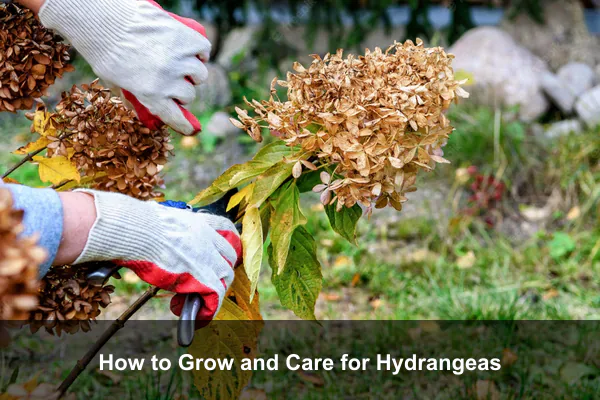
Pruning is where many gardeners make mistakes. The correct method depends on whether your hydrangea blooms on old wood, new wood, or both. Old wood means flower buds form on stems from the previous season. New wood means flowers develop on the current season’s growth.
- Identify the type before pruning.
- Remove dead or damaged stems whenever needed.
- Prune old-wood bloomers lightly after flowering, if pruning is necessary.
- Prune new-wood bloomers in late winter or early spring.
- Avoid heavy random pruning because it may remove next season’s flower buds.
Hydrangea Safety: Are Hydrangeas Toxic?
Hydrangeas are ornamental plants and should not be eaten. They contain compounds that may cause discomfort or poisoning if consumed in significant amounts. This matters for households with curious pets, young children, or grazing animals.
Possible symptoms after ingestion may include stomach upset, vomiting, diarrhea, or lethargy. If a pet or child eats part of a hydrangea plant, contact a veterinarian, poison control center, or medical professional for appropriate guidance.
For safer garden use, plant hydrangeas where they can be admired but not easily chewed. Wear gloves if you have sensitive skin, and wash hands after pruning or handling plant debris.
Common Hydrangea Problems and Solutions
Hydrangeas are generally reliable, but they can develop issues when growing conditions are poor. Early observation helps prevent small problems from becoming serious.
No Flowers
If a hydrangea has healthy leaves but no flowers, possible causes include pruning at the wrong time, winter bud damage, too much shade, excess nitrogen fertilizer, or an immature plant. Identify the hydrangea type first, then adjust care based on its blooming habit.
Wilting Leaves
Wilting often means the plant is losing water faster than roots can absorb it. This may happen during hot afternoons even when soil is moist. If the plant recovers by evening, it may only be temporary heat stress. If wilting continues, check soil moisture and root health.
Leaf Spots and Mildew
Leaf spots and powdery mildew can appear when air circulation is poor or leaves stay wet for long periods. Water at the base, space plants properly, remove fallen infected leaves, and avoid overcrowding.
Brown Flower Edges
Brown edges may result from heat, drought, strong sun, or natural aging. Improve watering consistency and consider afternoon shade if blooms regularly scorch.
Best Ways to Use Hydrangeas in the Garden
Hydrangeas are versatile plants that can support many garden styles. Their large flowers look romantic in cottage gardens, refined in formal borders, and natural in woodland-inspired spaces.
- Foundation planting: Use compact varieties near the front of a house for seasonal color.
- Mixed borders: Pair hydrangeas with hostas, ferns, heuchera, ornamental grasses, or shade perennials.
- Privacy edges: Larger hydrangeas can soften fences and create a layered garden boundary.
- Container gardening: Compact hydrangeas can grow in large pots with careful watering.
- Cut flower gardens: Plant varieties with strong stems for fresh and dried arrangements.
When placing hydrangeas, consider their mature size. A small nursery plant can become a wide shrub in a few seasons, so give it enough space to grow naturally.
Conclusion
Hydrangeas offer a unique combination of beauty, structure, seasonal interest, and practical garden value. Their biggest benefits come from their dramatic blooms, ability to brighten part-shade areas, usefulness as cut flowers, and strong role in landscape design. For gardeners who want an ornamental plant with lasting visual impact, hydrangeas are one of the most rewarding choices.
The key to success is choosing the right type for your climate and garden space, then giving it consistent moisture, suitable light, rich soil, and correct pruning. With thoughtful care, a hydrangea can become a long-lived feature that brings color, texture, and calm beauty to the garden year after year.
