
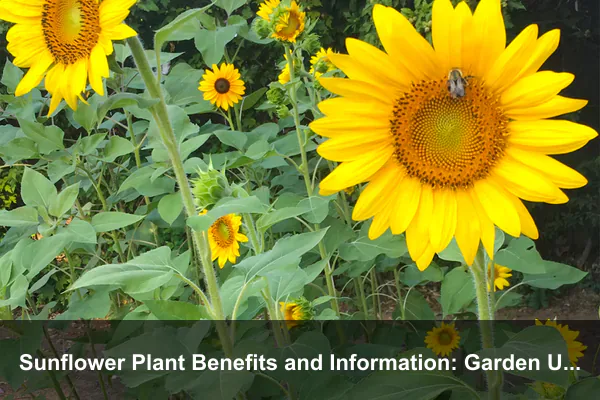
Sunflowers are among the most recognizable flowering plants in the world, but their value goes far beyond their bright yellow petals and tall, cheerful stems. A sunflower can be an ornamental garden feature, a pollinator magnet, a seed-producing crop, a teaching plant for children, and a practical addition to a more self-sufficient home garden. For readers searching for Sunflower plant benefits and information, this guide explains the plant in a complete, practical, and easy-to-apply way.
Unlike many popular indoor foliage plants, the sunflower is usually grown outdoors as a sun-loving annual. It brings height, color, food value, and biodiversity to garden spaces. Whether you want a dramatic summer border, edible seeds, cut flowers, or a more wildlife-friendly yard, understanding how sunflowers grow will help you get better results from this simple but powerful plant.
What Makes the Sunflower Plant Special?
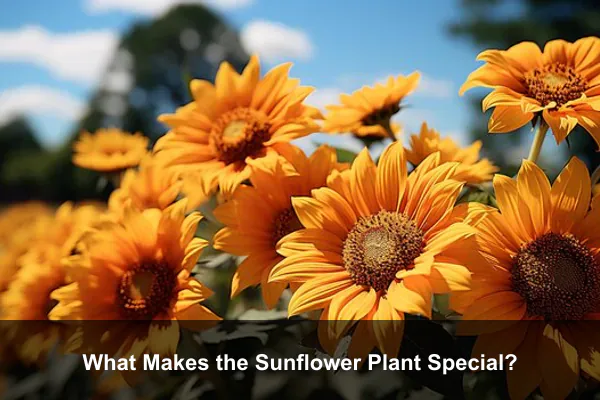
The common sunflower, botanically known as Helianthus annuus, is a flowering plant native to North America and widely cultivated around the world. Its name comes from its sun-like flower head and its preference for bright, direct sunlight. Young sunflower buds often show heliotropism, meaning they may turn toward the sun as they develop. Mature flower heads usually settle facing one direction, often toward the east, where they warm earlier in the day and become more attractive to pollinators.
A sunflower is not a single simple flower in the way many people imagine. The large round head is actually made of many tiny flowers called florets. The outer yellow petals are ray florets, while the center contains disk florets that can develop into seeds after pollination. This structure is one reason sunflowers are so valuable for bees, butterflies, and other beneficial insects.
Sunflowers are also flexible in size and use. Some dwarf varieties stay under 2 feet tall and work well in containers, while giant varieties can grow over 10 feet tall in good conditions. Flower colors now include yellow, gold, orange, red, burgundy, cream, and bicolor forms. This makes the sunflower both a productive plant and a highly adaptable ornamental choice.
Key Sunflower Plant Benefits for Gardens and Homes
The main benefits of sunflower plants can be grouped into visual, ecological, edible, and practical uses. Their strong garden presence makes them popular with beginners, but experienced gardeners also value them for the way they support healthy outdoor spaces.
Bright Ornamental Beauty
Sunflowers create instant visual impact. Their tall stems and bold blooms can frame a vegetable garden, soften a fence line, brighten a front yard, or add seasonal interest to a flower border. Because they grow quickly from seed, they are one of the most satisfying flowering plants for new gardeners. Many varieties begin blooming in summer and continue producing flowers into early autumn if planted in stages.
For home decoration, sunflowers make excellent cut flowers. Branching varieties are especially useful because they produce multiple blooms on one plant. Their strong form works well in simple arrangements, rustic bouquets, and seasonal displays. Cutting flowers regularly can also encourage some branching types to keep producing more blooms.
Pollinator and Wildlife Support
One of the strongest sunflower plant benefits is its role in supporting biodiversity. The flower heads provide nectar and pollen for bees, hoverflies, butterflies, and other insects. Later in the season, seed heads can feed birds such as finches and other seed-eating species. If your garden feels quiet or lacks wildlife, sunflowers can help create a more active and balanced environment.
Sunflowers can be part of a pollinator-friendly planting plan when combined with other nectar-rich flowers. Good companions include zinnias, cosmos, marigolds, basil, borage, calendula, and native wildflowers. A mixed planting offers different flower shapes and bloom times, which helps more pollinators over a longer season.
Useful Garden Structure
Because sunflowers grow upright and tall, they can act as temporary living structure in the garden. They can add vertical interest behind lower vegetables or flowers, create a light seasonal screen, and provide shade for plants that appreciate some relief from intense afternoon sun. Some gardeners also plant sturdy sunflower varieties near climbing beans, although very heavy vines may need stronger supports.
Sunflowers are helpful in educational gardens because their growth is easy to observe. Children can plant large seeds, watch seedlings emerge, measure stem height, identify pollinators, and later examine the seed head. This makes sunflower growing a practical way to teach plant life cycles, pollination, seed formation, and food production.
Soil and Sustainability Value
Sunflowers produce substantial roots and above-ground biomass in a single season. After the growing cycle ends, healthy plant material can be chopped and composted, returning organic matter to the garden. Their deep roots can also help loosen soil in some situations, especially when grown in beds that are not compacted beyond recovery.
Sunflowers are sometimes discussed in relation to phytoremediation, the use of plants to absorb certain contaminants from soil. This is a real area of research, but home gardeners should use caution. If sunflowers are grown in contaminated soil, do not eat the seeds or feed them to animals. For normal home gardens with safe soil, sunflowers are best viewed as ornamental, ecological, and edible seed plants rather than a do-it-yourself cleanup solution.
Sunflower Seeds, Nutrition, and Everyday Uses
Sunflower seeds are one of the most familiar edible parts of the plant. They can be eaten raw, roasted, sprouted under safe food-handling conditions, or pressed commercially for oil. The seeds are valued for their nutty flavor, crunchy texture, and nutrient content. They contain plant-based protein, healthy fats, fiber, vitamin E, magnesium, selenium, and other minerals. These nutrients make sunflower seeds a useful addition to a balanced diet when eaten in reasonable portions.
In the kitchen, sunflower seeds are versatile. They can be sprinkled over salads, blended into seed butter, added to granola, mixed into bread dough, used as a topping for soups, or included in trail mixes. Unsalted seeds are usually the better everyday choice because many packaged roasted seeds are high in sodium. People with seed allergies or specific medical diets should check with a qualified professional before using sunflower seeds regularly.
Sunflower oil is another major product from the plant. It is commonly used for cooking, baking, salad dressings, and food manufacturing. Different sunflower oil types vary in fatty acid profile, so culinary performance and nutrition can differ. For home readers, the main point is simple: sunflower oil and seeds are useful pantry ingredients, but they should be used as part of a varied diet rather than treated as a cure or miracle food.
Beyond food, sunflower seeds are valuable for birds and backyard wildlife. Leaving some mature seed heads in the garden can provide natural feeding opportunities. If you prefer a tidy garden, you can harvest the heads, dry them, and place them out later as seasonal bird food.
How to Grow Sunflowers Successfully
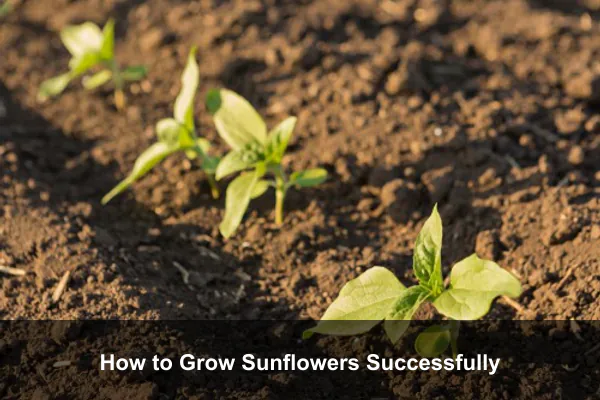
Sunflowers are beginner-friendly, but they perform best when their basic needs are met. They are not shade plants, and they do not thrive in soggy, poorly drained soil. Give them sun, space, and steady early care, and they will usually reward you with strong growth.
Light Requirements
Sunflowers need full sun, which means at least 6 hours of direct sunlight per day. For the strongest stems and largest blooms, 8 hours or more is better. In low light, plants may become weak, stretched, and less productive. Choose an open site away from heavy shade created by buildings, trees, or dense shrubs.
Soil and Planting Site
The best soil for sunflowers is loose, fertile, and well-drained. They can tolerate average garden soil, but they grow better when compost or aged organic matter is added before planting. Avoid waterlogged areas because constant wetness can damage roots. If your soil is heavy clay, use raised beds or improve drainage with organic matter.
Because tall varieties can become top-heavy, plant them where they are protected from strong wind if possible. A fence line, sunny wall, or the back of a border can provide helpful shelter. Giant sunflowers may need staking, especially in storm-prone areas.
Planting From Seed
Sunflowers are most often grown from seed because the seeds are large, easy to handle, and quick to germinate in warm soil. Plant after the danger of frost has passed and the soil has warmed. Sow seeds about 1 inch deep, then water gently. Depending on the variety and conditions, seedlings often appear within 7 to 10 days.
Spacing matters. Crowded sunflowers compete for light, water, and nutrients, which can lead to smaller blooms and weaker stems. Follow the seed packet, but as a general guide, dwarf types may need 6 to 12 inches between plants, medium varieties often need 12 to 18 inches, and giant types may need 24 inches or more.
Watering Tips
Young sunflowers need consistent moisture while roots establish. Keep the soil lightly moist but not muddy. Once established, sunflowers are moderately drought tolerant, but they bloom and set seed better with deep watering during dry spells. Water at the base of the plant rather than soaking the leaves, as this can reduce disease pressure.
A layer of organic mulch can help conserve moisture, moderate soil temperature, and reduce weeds. Keep mulch slightly away from the stem to prevent rot.
Feeding and Maintenance
In reasonably fertile soil, sunflowers do not need excessive fertilizer. Too much nitrogen can encourage lush leaves at the expense of flowers and may produce weak stems. Compost before planting is often enough. If soil is poor, use a balanced, slow-release fertilizer according to label directions.
Weed control is important during the first few weeks because young sunflowers dislike competition. Once they grow taller, their leaves shade the ground and help suppress some weeds. For branching varieties, deadheading spent blooms can encourage more flowers. For seed production, leave selected heads on the plant until seeds mature.
Harvesting and Using Sunflowers
Sunflowers can be harvested for cut flowers, seeds, or decorative dried heads. The best method depends on your goal. For fresh flowers, cut stems early in the morning when the bloom is just beginning to open. Use clean shears, remove leaves that would sit below the water line, and place stems in fresh water quickly. Changing the water often helps the arrangement last longer.
For seeds, allow the flower head to mature on the plant. Signs of maturity include drooping heads, drying petals, yellowing or browning backs of the flower head, and plump seeds. Birds may begin eating seeds before you harvest, so you can cover the head with breathable cloth or paper bag material if needed. Do not use plastic because it can trap moisture and encourage mold.
- Cut the mature head with several inches of stem attached.
- Hang or place it in a dry, airy location until the seeds loosen easily.
- Rub the seed head gently to remove seeds.
- Separate debris and discard damaged or moldy seeds.
- Dry seeds fully before storage to reduce the risk of spoilage.
If seeds are intended for eating, handle them with normal kitchen hygiene. Store dried seeds in airtight containers in a cool, dry place. For longer storage, refrigeration or freezing can help preserve freshness.
Common Sunflower Problems and Simple Solutions
Sunflowers are generally tough, but they are not problem-free. Most issues can be managed with good spacing, sunlight, airflow, and attentive watering.
Pests
Seedlings may be damaged by slugs, snails, cutworms, or birds. Protect young plants with barriers, collars, or temporary netting where needed. Later in the season, aphids may appear on stems and buds. A strong spray of water, natural predators such as lady beetles, or insecticidal soap used according to directions can help manage mild infestations.
Birds and squirrels may eat maturing seeds. This is not always a problem if your goal is wildlife support. If you want to harvest seeds, cover selected heads with breathable protection once seeds begin to form.
Diseases
Powdery mildew, rust, downy mildew, and stem rots can affect sunflowers, especially in humid conditions or crowded plantings. Prevention is better than rescue. Space plants properly, avoid overhead watering, remove badly diseased leaves, and clean up plant debris at the end of the season. Rotating sunflower planting areas can also reduce recurring soil-borne disease problems.
Weak or Falling Stems
Tall sunflowers can fall when exposed to wind, heavy rain, or overly rich nitrogen feeding. Choose a sheltered site, avoid overfertilizing, and stake giant varieties before they lean. Planting in groups rather than isolated single stems can also help create mutual support.
Safety, Pets, and Environmental Considerations
Sunflowers are generally considered friendly garden plants, but safe use still matters. The seeds are edible for many people, yet allergies are possible. Salted seeds can add too much sodium if eaten in large amounts, and whole seeds can be a choking risk for small children. Always supervise children when harvesting or eating seeds.
For pets, sunflowers are commonly grown in family gardens, but animals should not be encouraged to chew large amounts of any ornamental plant. Dogs may get digestive upset from eating too many seeds, shells, or plant parts. If a pet eats a large quantity or shows unusual symptoms, contact a veterinarian.
Environmental care is also important. Avoid using broad-spectrum insecticides on blooming sunflowers because they can harm bees and other beneficial insects. If pest control is necessary, choose the least disruptive method and apply it when pollinators are not active. In wildlife gardens, leaving some spent heads standing through the season can provide food and habitat, while removing diseased material helps keep the garden healthy.
Best Sunflower Varieties to Consider
Choosing the right variety depends on your space and purpose. A small patio, a vegetable plot, a cut flower bed, and a wildlife garden all benefit from different sunflower types. Reading the seed packet carefully is one of the easiest ways to avoid disappointment.
- Dwarf sunflowers: Best for containers, small spaces, children gardening projects, and low borders. They usually stay compact and bloom quickly.
- Giant sunflowers: Best for dramatic height, seed production, garden screens, and educational growing challenges. They need more space and may need support.
- Branching sunflowers: Best for cut flowers and long bloom periods because one plant can produce many stems.
- Pollenless sunflowers: Best for floral arrangements because they reduce pollen mess indoors, though they may not support pollinators as fully as pollen-producing types.
- Colored sunflowers: Best for ornamental displays, with shades such as burgundy, bronze, orange, cream, and red adding variety beyond classic yellow.
If your goal is pollinator support, choose open-faced, pollen-producing varieties rather than only pollenless florist types. If your goal is edible seed harvest, look for varieties described as confection, seed, or large-seeded sunflowers. For bouquets, branching types with strong stems are usually the most productive choice.
Practical Design Ideas for Sunflowers in the Garden
Sunflowers are bold plants, so placement matters. Tall varieties work well at the back of borders where they will not shade smaller plants too heavily. They can also line a sunny fence, mark the edge of a vegetable garden, or create a temporary summer privacy screen. Dwarf varieties are better near paths, patios, raised beds, and containers where their flowers can be enjoyed up close.
For a natural look, plant sunflowers in clusters rather than perfectly spaced single rows. Combine them with flowers of different heights and textures to create a more balanced planting. Zinnias, cosmos, marigolds, amaranth, nasturtiums, and ornamental grasses all pair well with sunflowers. In vegetable gardens, they look beautiful near squash, corn, beans, herbs, and pollinator strips.
Succession planting is a useful technique. Instead of sowing all seeds on one day, plant a new small batch every 1 to 2 weeks for several weeks. This can extend the bloom season and provide a longer supply of flowers for pollinators and cutting. In warm climates with long growing seasons, succession planting can make the sunflower display last much longer.
Conclusion
Sunflowers are more than cheerful summer flowers. They are useful, fast-growing, wildlife-friendly plants that offer beauty, edible seeds, garden structure, and valuable pollinator support. Their easy seed-starting habit makes them ideal for beginners, while their variety of sizes, colors, and uses keeps them interesting for experienced gardeners.
The most important sunflower plant information is simple: give them full sun, well-drained soil, enough space, and steady care during early growth. From there, you can grow them for flowers, seeds, birds, bees, children learning projects, or seasonal garden design. With the right variety and placement, the sunflower becomes one of the most rewarding plants you can add to an outdoor space.
