
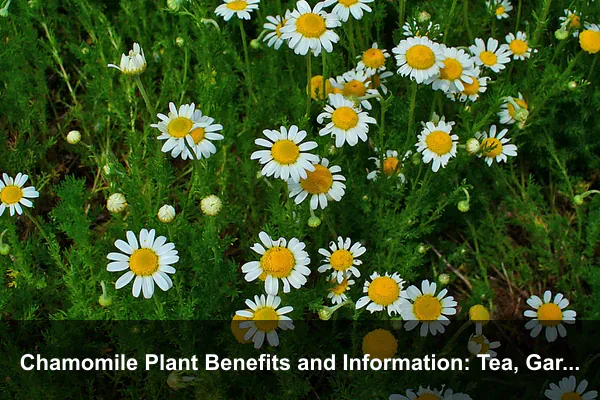
Chamomile is one of the most beloved herbal plants in the world, known for its small daisy-like flowers, apple-like fragrance, and long tradition as a calming tea herb. When people search for Chamomile plant benefits and information, they are often looking for more than a pretty flowering plant. They want to understand what chamomile does, how it grows, how to use it responsibly, and why this gentle-looking herb has remained popular in home gardens, herbal traditions, and natural wellness routines.
Unlike many ornamental indoor plants, chamomile is best understood as a practical flowering herb. It can brighten a garden bed, attract pollinators, provide harvestable blossoms for tea, and offer a beginner-friendly entry into herbal gardening. This guide focuses on chamomile as a useful plant: its types, benefits, growing needs, harvesting methods, everyday uses, and safety considerations. It is written to help gardeners, tea lovers, and plant enthusiasts make informed decisions without overstating what any herb can do.
What Is the Chamomile Plant?
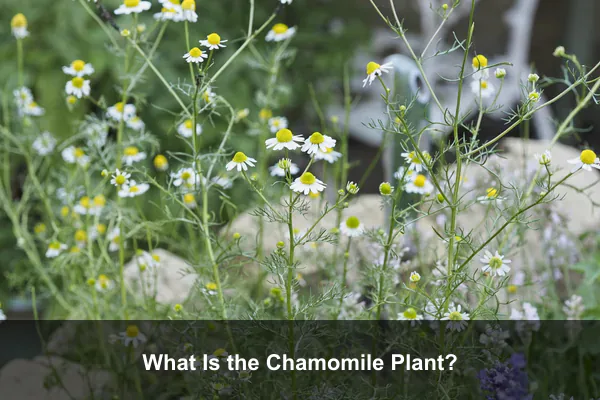
Chamomile is a flowering herb from the Asteraceae family, the same broad family that includes daisies, sunflowers, and calendula. Its flowers usually have white petals around a yellow center, giving them a soft, cheerful appearance. The plant is valued for its aromatic flower heads, which are commonly dried and steeped in hot water to make chamomile tea.
The name chamomile is commonly used for two main plants: German chamomile and Roman chamomile. Both are associated with herbal tea and traditional uses, but they differ in growth habit, life cycle, and garden behavior. Understanding this difference is important because the best chamomile for your garden depends on your climate, available space, and intended use.
German Chamomile
German chamomile, botanically known as Matricaria chamomilla or Matricaria recutita, is the most common type used for tea. It is an annual plant, meaning it completes its life cycle in one growing season. German chamomile can grow relatively tall compared with Roman chamomile, often reaching about 18 to 30 inches under good conditions. It has fine, feathery leaves and produces many small flowers that are easy to harvest.
One of the reasons German chamomile is so popular among home gardeners is that it often self-seeds. If allowed to drop mature seed, it may return the following season without much effort. This makes it a useful herb for cottage gardens, kitchen gardens, and pollinator-friendly spaces.
Roman Chamomile
Roman chamomile, botanically known as Chamaemelum nobile, is a low-growing perennial in many suitable climates. Instead of growing upright like German chamomile, it tends to spread closer to the ground. Because of this habit, it is sometimes used as a fragrant ground cover or in herb lawns where foot traffic is light.
Roman chamomile flowers can also be used for tea, but the flavor is often described as stronger, earthier, or slightly more bitter than German chamomile. For gardeners who want a perennial ground cover with herbal value, Roman chamomile may be appealing. For those mainly interested in abundant tea flowers, German chamomile is usually the preferred choice.
Key Chamomile Plant Benefits
The benefits of chamomile are often discussed in wellness circles, but it is important to separate practical plant benefits from exaggerated health claims. Chamomile has a long history of use in herbal traditions, especially as a soothing tea. It also benefits gardens by attracting helpful insects and adding seasonal beauty.
Supports a Relaxing Tea Ritual
The most famous use of chamomile is as a caffeine-free herbal tea. Many people drink chamomile tea in the evening because its gentle aroma and mild flavor fit naturally into a calming routine. While chamomile should not be treated as a cure for sleep problems, the simple act of preparing and drinking a warm herbal infusion can support relaxation habits.
Chamomile tea is often enjoyed plain, but it also pairs well with honey, lemon, mint, lavender, ginger, or a small piece of cinnamon. Homegrown chamomile gives gardeners the added satisfaction of drinking tea made from flowers they harvested themselves.
Useful in Traditional Herbal Practices
Chamomile has been used in traditional herbal practices for generations. It is commonly associated with digestive comfort, relaxation, and general soothing routines. The plant contains natural compounds such as flavonoids and aromatic oils, which contribute to its fragrance and traditional reputation.
However, responsible use matters. Herbal plants can affect people differently, and chamomile is not a substitute for professional medical care. Anyone who is pregnant, taking medication, allergic to plants in the daisy family, or managing a health condition should speak with a qualified health professional before using chamomile regularly for wellness purposes.
Attracts Pollinators and Beneficial Insects
Chamomile flowers are attractive to bees, hoverflies, and other beneficial insects. In a garden, this makes chamomile more than a harvest crop. It can support biodiversity and help create a more balanced growing environment. Planting chamomile near vegetables, herbs, or flowering borders can encourage pollinator activity during the blooming season.
For gardeners who care about natural gardening methods, chamomile is especially useful because it works well in mixed plantings. Its delicate flowers blend easily with calendula, basil, thyme, parsley, lettuce, tomatoes, and other kitchen garden plants.
Adds Beauty Without Demanding Much Space
Chamomile has a soft, natural look that suits cottage gardens, balcony herb planters, raised beds, and small backyard spaces. German chamomile offers airy vertical texture, while Roman chamomile creates a lower mat-like effect. Both types can make an herb garden feel more alive and inviting.
Because chamomile flowers are small and numerous, they create visual interest without overwhelming nearby plants. This makes chamomile a good choice for gardeners who want beauty and function in the same planting area.
Growing Chamomile Successfully at Home
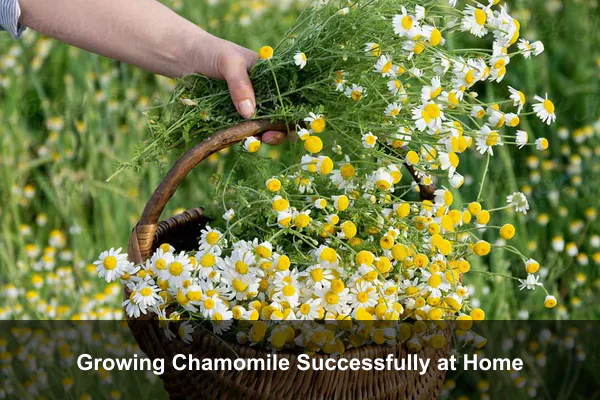
Chamomile is generally considered beginner-friendly, especially when grown from seed in the right conditions. It does not require rich soil, complicated pruning, or constant attention. The key is to provide enough sunlight, avoid waterlogged soil, and harvest flowers regularly once blooming begins.
Light Requirements
Chamomile grows best in full sun, which usually means at least six hours of direct sunlight per day. In hot climates, it can benefit from light afternoon shade, especially when temperatures become intense. Too much shade may cause weak growth and fewer flowers.
If you are growing chamomile in containers, place the pot on a sunny balcony, patio, windowsill, or garden edge. Rotate containers occasionally if one side receives more light than the other. This helps the plant grow more evenly.
Soil and Drainage
Chamomile prefers well-draining soil. It can tolerate average or slightly poor soil better than heavy, compacted, constantly wet soil. A loose garden bed or container mix with good drainage is ideal. If your soil is clay-heavy, improve it with compost and coarse organic matter to reduce water retention.
For pots, choose a container with drainage holes. A standard herb potting mix is usually enough. Avoid overly rich fertilizer-heavy soil, because too much nitrogen can encourage leafy growth at the expense of flowers.
Watering Needs
Young chamomile seedlings need consistent moisture while they establish roots. Once mature, chamomile is moderately drought tolerant, especially German chamomile. The soil should be kept lightly moist but not soggy. Overwatering can lead to root problems and weak stems.
A simple watering rule is to check the top inch of soil. If it feels dry, water thoroughly and allow excess water to drain away. Container-grown chamomile may dry faster than plants in the ground, so check pots more often during warm weather.
Temperature and Climate
Chamomile prefers mild to warm growing conditions. German chamomile is often grown as a cool-season annual in warmer regions and a spring-to-summer herb in temperate areas. Roman chamomile, depending on local conditions, can survive as a perennial and return year after year.
In very hot climates, chamomile may finish its growth cycle quickly. Starting seeds during a cooler season can improve flower production. In colder climates, seeds can be started indoors before the last frost or sown directly after the soil becomes workable.
How to Plant Chamomile From Seed
Growing chamomile from seed is one of the easiest and most affordable ways to add this herb to your garden. Chamomile seeds are tiny, so they should be handled carefully and sown near the soil surface.
Step-by-Step Seed Starting
- Choose the right type. Select German chamomile for abundant tea flowers or Roman chamomile for a low-growing perennial effect.
- Prepare a shallow seed tray or garden bed. Use loose, well-draining soil and gently level the surface.
- Sow seeds on the surface. Chamomile seeds need light to germinate, so press them lightly into the soil instead of burying them deeply.
- Mist gently. Use a spray bottle or fine watering can so the tiny seeds do not wash away.
- Keep evenly moist. Maintain light moisture until seedlings appear.
- Thin seedlings. Once the plants are large enough to handle, space them so air can move between stems.
Seedlings are delicate at first, but they grow quickly once established. If starting indoors, harden them off before transplanting outside. This means gradually introducing them to outdoor light and wind over several days.
Container Planting Tips
Chamomile can grow well in containers, especially if you have limited garden space. Use a pot that is wide enough for airflow and root growth. A container around 8 to 12 inches deep is usually suitable for German chamomile, while Roman chamomile may benefit from a wider, shallower pot because of its spreading habit.
- Use a pot with drainage holes.
- Place the container in a bright location.
- Avoid letting the pot sit in standing water.
- Harvest flowers often to encourage continued blooming.
- Trim crowded growth to improve airflow.
Harvesting and Drying Chamomile Flowers
The most useful part of the chamomile plant is the flower head. For the best flavor and aroma, harvest flowers when they are fully open and fresh. The yellow centers should be bright, and the petals should not be brown, wilted, or falling apart.
When to Harvest
Harvest chamomile flowers on a dry day after morning dew has evaporated. This reduces excess moisture and helps prevent mold during drying. Regular harvesting encourages the plant to produce more flowers, especially with German chamomile.
Use clean fingers or small scissors to remove the flower heads. Try to avoid taking too much stem if your goal is tea. The flower heads contain the most desirable aroma and flavor.
How to Dry Chamomile
Drying chamomile properly is important for storage. Spread the flower heads in a single layer on a clean screen, tray, or paper towel in a dry, shaded, well-ventilated area. Avoid direct harsh sun, which can reduce color and aroma.
The flowers are dry when they feel crisp and crumble easily between your fingers. Depending on humidity, this may take several days. Once fully dry, store them in an airtight glass jar or sealed container away from heat, moisture, and direct light.
Storage Tips
- Label the jar with the harvest date.
- Store dried chamomile in a cool, dark cupboard.
- Use clean, dry spoons when removing flowers.
- Discard any batch that smells musty or shows signs of mold.
- For best flavor, use dried chamomile within several months.
Everyday Uses for Chamomile
Chamomile is most famous as a tea herb, but its usefulness extends beyond a single cup. It can be included in simple home routines, garden designs, and natural craft projects. The key is to use it thoughtfully and avoid assuming that natural automatically means risk-free.
Chamomile Tea
To make a basic chamomile tea, steep about one to two teaspoons of dried chamomile flowers in a cup of hot water for 5 to 10 minutes. Covering the cup while it steeps helps preserve the aromatic compounds. Strain before drinking.
The flavor is mild, floral, slightly sweet, and sometimes apple-like. If the tea tastes too strong or bitter, reduce the steeping time or use fewer flowers. Fresh flowers can also be used, but you may need a larger amount because they contain more water.
Herbal Blends
Chamomile blends well with other herbs, especially those commonly grown in home gardens. A simple evening blend might include chamomile and lemon balm. A refreshing blend could combine chamomile with mint. A floral blend may include chamomile and lavender in modest amounts.
When blending herbs, start small. Different herbs have different strengths, flavors, and safety considerations. Keep notes on what you use so you can repeat combinations that work well.
Garden Companion Planting
Chamomile is often included in companion planting plans because it attracts pollinators and beneficial insects. While some claims about companion planting are overstated, chamomile can still be valuable in a mixed garden because flowers increase insect diversity and visual interest.
Good nearby planting options include:
- Leafy greens such as lettuce and spinach
- Herbs such as basil, thyme, parsley, and chives
- Vegetables such as tomatoes, peppers, and beans
- Flowers such as calendula, nasturtium, and alyssum
Chamomile Safety and Possible Side Effects
Chamomile is widely used, but safety still matters. The plant belongs to the daisy family, which means people allergic to ragweed, chrysanthemums, daisies, marigolds, or related plants may also react to chamomile. Reactions can range from mild irritation to more serious allergic symptoms.
Who Should Be Careful?
Some people should be especially cautious with chamomile, particularly when using it regularly or in concentrated forms. This includes pregnant or breastfeeding individuals, people scheduled for surgery, people taking blood-thinning medication, and anyone with known plant allergies. Children, older adults, and people with chronic health conditions should also use herbal products thoughtfully.
Chamomile tea in normal food-like amounts is common, but supplements, extracts, essential oils, and concentrated preparations are different. They may carry higher risk and should be approached with professional guidance.
Topical Use Caution
Chamomile is sometimes used in skin products, rinses, or homemade preparations. Before applying chamomile to the skin, it is wise to test a small area first. Stop using it if redness, itching, swelling, or irritation occurs.
Never apply homemade herbal preparations to deep wounds, serious burns, infected skin, or sensitive areas without medical advice. Natural ingredients can still irritate skin or introduce contamination if prepared or stored improperly.
Common Chamomile Growing Problems
Chamomile is not a difficult herb, but it can still face problems when growing conditions are poor. Most issues come from too much moisture, poor airflow, insufficient light, or overcrowding.
Leggy Growth
If chamomile grows tall, weak, and floppy, it may not be receiving enough light. Move containers to a brighter location or thin nearby plants that are casting shade. Seedlings started indoors also become leggy if the light source is too weak or too far away.
Few Flowers
Few blooms can result from too much nitrogen, not enough sun, or irregular harvesting. Avoid heavy feeding and make sure the plant receives strong light. Once flowers begin opening, harvest regularly to encourage more production.
Mold or Rot
Mold and rot usually indicate excessive moisture or poor airflow. Water at the soil level when possible, avoid crowding plants, and use well-draining soil. In humid regions, spacing plants properly is especially important.
Pests
Chamomile may occasionally attract aphids or small soft-bodied insects. Many can be removed with a gentle spray of water or managed by encouraging beneficial insects. Avoid unnecessary harsh treatments, especially if you plan to harvest flowers for tea.
Chamomile vs. Other Herbal Plants
Chamomile is often compared with other aromatic herbs, but it has its own role in the garden. Unlike rosemary, which is woody and strongly culinary, chamomile is delicate and flower-focused. Unlike mint, which spreads aggressively through runners, German chamomile is usually easier to manage as a seasonal annual. Unlike lavender, which prefers very dry, lean conditions and woody pruning, chamomile is softer, faster-growing, and simpler to harvest for tea.
This unique profile makes chamomile a good choice for gardeners who want a gentle herbal plant that provides both beauty and practical use. It is especially suitable for people who enjoy tea, want to support pollinators, or are building a small herbal garden with plants that are easy to recognize and harvest.
Best Ways to Add Chamomile to a Home Garden
Chamomile can fit into many garden styles, from tidy raised beds to relaxed cottage borders. The best placement depends on whether you want maximum tea harvest, pollinator support, ornamental value, or ground cover.
For Tea Harvests
Grow German chamomile in a sunny raised bed or large container. Plant several seedlings so you have enough flowers to harvest regularly. Keep the area easy to access because frequent picking is part of productive chamomile growing.
For Pollinator Gardens
Plant chamomile among other flowering herbs and annuals. Combine it with calendula, dill, alyssum, basil, and thyme to create a varied insect-friendly planting. Avoid spraying pesticides on or near open flowers.
For Small Spaces
Use a container on a balcony, patio, or sunny windowsill. Choose German chamomile for upright growth or Roman chamomile for a softer trailing effect. Make sure the pot drains well and receives enough sun.
For Naturalistic Borders
Allow German chamomile to self-seed lightly in informal areas. This creates a relaxed, meadow-like effect. If you want a tidier garden, remove spent flowers before they set seed.
Frequently Asked Questions About Chamomile
Is chamomile easy to grow?
Yes, chamomile is generally easy to grow from seed when given sunlight, well-draining soil, and moderate moisture. German chamomile is especially beginner-friendly for tea harvests.
Can chamomile grow indoors?
Chamomile can be started indoors, but long-term indoor growth can be challenging unless the plant receives strong light. A sunny windowsill may work for small plants, but outdoor light usually produces better flowering.
Which chamomile is best for tea?
German chamomile is the most commonly grown type for tea because it produces many aromatic flowers with a mild, pleasant flavor. Roman chamomile can also be used, but its flavor may be stronger or more bitter.
Does chamomile come back every year?
German chamomile is an annual, but it may self-seed and return the following year. Roman chamomile is perennial in suitable climates and can come back from the same root system.
Can I use fresh chamomile flowers for tea?
Yes, fresh chamomile flowers can be used for tea. Because fresh flowers contain more water than dried flowers, you may need to use more of them to achieve a similar flavor.
Conclusion
Chamomile is a small herb with wide appeal. It offers delicate flowers, a long history of traditional use, a relaxing tea ritual, and real value in pollinator-friendly gardens. For anyone researching Chamomile plant benefits and information, the most important point is that chamomile is both practical and approachable. It does not need complicated care, and it rewards consistent harvesting with fragrant blossoms that can be dried and stored.
German chamomile is the best choice for most tea-focused gardeners, while Roman chamomile is useful for low-growing perennial plantings. Both types can add charm and function to herb gardens, containers, and natural borders. By giving chamomile enough sun, well-draining soil, careful watering, and responsible use, you can enjoy one of the most classic herbal plants in a safe, informed, and rewarding way.
