
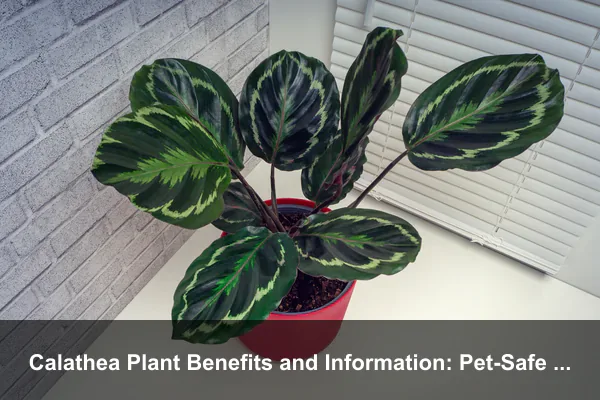
Calathea is one of the most expressive houseplants you can grow indoors. Its leaves look hand-painted, its patterns shift from variety to variety, and many types gently raise and lower their foliage from day to night. For anyone searching for Calathea plant benefits and information, the real value of this plant is not based on medicinal use or dramatic air-purifying claims. Its strongest benefits are visual comfort, pet-safe ornamental beauty, humidity-friendly indoor styling, and the quiet routine it brings to plant care.
Unlike many familiar houseplants that are praised mainly for toughness, Calathea asks for a little attention. That is part of its appeal. It rewards careful watering, bright indirect light, and stable humidity with leaves that can become the focal point of a room. This guide explains the benefits, care needs, varieties, safety notes, common problems, and practical growing tips that make Calathea a unique choice for indoor plant lovers.
What Makes Calathea Different From Other Houseplants
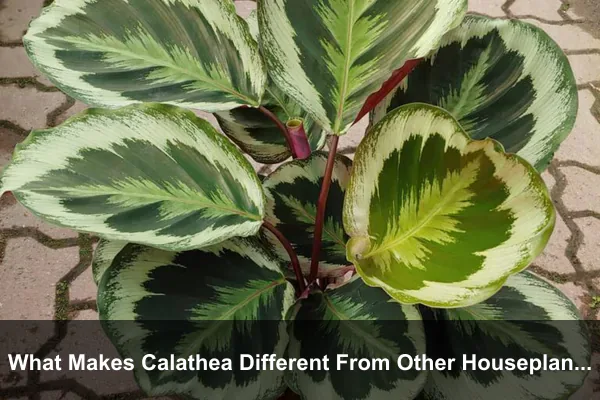
Calathea stands apart because it is grown primarily for leaf pattern, movement, and atmosphere. Many houseplants have attractive foliage, but Calathea leaves often combine several design features at once: bold stripes, feathered markings, burgundy undersides, pale brush-like lines, rounded leaves, or long lance-shaped blades. This makes the plant especially useful for people who want strong indoor visual impact without needing flowers.
Botanical Background
Calathea belongs to the prayer plant family, Marantaceae. In modern botanical classification, many plants still sold as Calathea have been moved into the genus Goeppertia, but the common houseplant trade continues to use the name Calathea. This is why labels in shops may vary. For everyday care, the practical needs are similar: filtered light, evenly moist soil, high humidity, and protection from cold drafts.
These plants are native to tropical regions of Central and South America, where they grow beneath taller vegetation. That background explains their indoor preferences. Calathea does not want harsh direct sun, dry air, or compacted soil. It evolved for warm, shaded, humid conditions, so successful indoor care means recreating those conditions in a realistic way.
The Daily Leaf Movement
One of the most memorable Calathea features is nyctinasty, the daily movement of leaves in response to light changes. The leaves may sit more horizontally during the day and lift upward in the evening. This movement gives the plant a living, responsive quality that many owners find calming. It also makes Calathea more engaging than a static decorative object because the plant visibly reacts to its environment.
Calathea Plant Benefits for Home and Wellbeing
The best way to understand Calathea plant benefits and information is to focus on realistic, everyday advantages. Calathea is not a cure, a medicine, or a replacement for proper ventilation. Its benefits are more subtle and practical, especially in homes, apartments, bedrooms, offices, and quiet indoor corners.
Pet-Safe Ornamental Appeal
One of the strongest benefits of Calathea is that it is widely considered a non-toxic houseplant for cats and dogs. This makes it a helpful option for households that want decorative foliage but need to avoid plants known for toxicity. Even so, non-toxic does not mean edible. Pets that chew leaves may still experience mild stomach upset, and the plant can be damaged. Place it where pets are less likely to bite it, but Calathea is generally a more reassuring choice than many ornamental houseplants.
Visual Calm and Biophilic Value
Calathea can support a calmer indoor atmosphere through biophilic design, which is the practice of bringing natural forms, textures, and living greenery into built spaces. Its patterned leaves soften hard surfaces, add organic shape to modern rooms, and create a focal point that feels alive without being visually chaotic. The effect is especially useful in workspaces, reading areas, bedrooms, and small apartments where one well-chosen plant can make the room feel more complete.
A Natural Humidity Reminder
Calathea is sensitive to dry air, which can actually be useful. Brown edges, curling leaves, or crispy tips often appear when the air is too dry or watering is inconsistent. In that sense, Calathea acts as a living indicator of indoor comfort. If the plant is struggling with dry conditions, the room may also feel dry to people, especially during air-conditioning or heating seasons.
This does not mean Calathea will humidify a room by itself in a major way. A single plant cannot replace a humidifier. However, grouping Calathea with other humidity-loving plants, using a pebble tray, or placing it in a naturally humid bathroom can contribute to a more plant-friendly microclimate.
Big Decorative Impact in Small Spaces
Calathea offers strong visual character without needing to climb, trail, or take over a room. Compact varieties can sit on desks, side tables, shelves, or plant stands. Larger varieties can fill an empty corner without becoming as massive as some broad-leaf tropical plants. This makes Calathea useful for renters and small-space gardeners who want a premium ornamental look in a controlled footprint.
- For bedrooms: Calathea adds soft pattern and quiet greenery without sharp forms.
- For bathrooms: It often appreciates the extra humidity if there is enough indirect light.
- For offices: Its patterned leaves create a natural focal point near a desk or reading chair.
- For apartments: It delivers high decorative value without needing a large floor area.
Popular Calathea Types and Their Best Uses
There are many Calathea varieties, and each has its own personality. Choosing the right one helps you match the plant to your room, care style, and design preference. Some are dramatic and bold, while others are softer and more detailed.
Calathea Orbifolia
Calathea orbifolia is known for large, rounded leaves with pale silver-green stripes. It creates a calm, elegant look and works well as a statement plant in a bright living room. Because the leaves are broad and thin, it appreciates stable humidity and gentle care. It is ideal for someone who wants a soft, architectural plant without a spiky or upright silhouette.
Calathea Makoyana
Often called the peacock plant, Calathea makoyana has delicate markings that resemble layered feathers. Its translucent green leaves and darker oval patterns make it one of the most decorative choices for shelves or tabletops. It is a good variety for people who enjoy detailed foliage rather than large, simple leaves.
Calathea Medallion
Calathea medallion has rounded leaves with bold green patterns and often deep purple undersides. It is a popular houseplant because it offers strong contrast and a compact shape. It works well in modern interiors where the plant needs to stand out against neutral furniture, white walls, or natural wood.
Calathea Lancifolia
Commonly known as the rattlesnake plant, Calathea lancifolia has long, narrow leaves with dark markings and wavy edges. It is often considered one of the more forgiving Calathea types. Its upright, narrow shape makes it useful for desks, plant stands, and tighter corners where round-leaf varieties may spread too much.
Calathea Musaica
Calathea musaica, often sold as network plant, has fine mosaic-like markings across its leaves. It is less dramatic from a distance but beautiful up close. This variety is good for calm interiors, plant collections, and spaces where subtle leaf texture is more desirable than bold color contrast.
Calathea Care Requirements: Light, Water, Humidity, and Soil

Calathea care is not difficult when you understand what the plant is asking for. Most problems come from extremes: too much sun, too little humidity, water that is too mineral-heavy, soggy soil, or sudden changes in temperature. The goal is steady, gentle care.
Light Requirements
Calathea prefers bright indirect light. Place it near an east-facing window, a few feet back from a south or west-facing window, or behind a sheer curtain where sunlight is filtered. Direct afternoon sun can scorch the leaves, fade patterns, and cause dry patches. Too little light, however, can slow growth and make the plant look dull.
A simple test is to observe the shadow near the plant. A soft, blurred shadow usually indicates good indirect light. A sharp shadow suggests the light may be too intense. No shadow at all may mean the area is too dim for strong growth.
Watering Needs
Calathea likes soil that stays lightly moist but never swampy. Water when the top layer of soil begins to feel slightly dry. Avoid letting the pot dry out completely for long periods, because this can lead to curling leaves and crispy edges. At the same time, do not water on a fixed schedule without checking the soil, because overwatering can cause root problems.
Water quality matters more for Calathea than for many tougher houseplants. Some plants react poorly to hard tap water, chlorine, fluoride, or high mineral content. If leaf tips brown even when humidity and watering seem correct, try filtered water, rainwater, or water that has been left to sit before use.
Humidity and Temperature
Calathea grows best in moderate to high humidity, often around 50 percent or higher. In dry rooms, leaves may curl, edges may crisp, and new growth may emerge damaged. A small humidifier is usually more effective than occasional misting. Misting can briefly wet leaves but does not raise room humidity for long, and wet foliage in poor airflow may encourage spotting.
Keep Calathea away from air-conditioning vents, heaters, cold windows, and drafty doors. A stable indoor temperature is important. Sudden cold or hot air can stress the plant quickly, especially if the soil is wet.
Soil and Potting Mix
The best soil for Calathea is moisture-retentive but airy. A heavy mix that stays wet for too long can suffocate roots. A mix that dries too fast can stress the plant. A balanced blend may include quality indoor potting soil, coco coir or peat for moisture, perlite for drainage, and a small amount of bark for structure.
- Use a pot with drainage holes.
- Avoid letting the plant sit in standing water.
- Choose a pot only slightly larger than the root ball when repotting.
- Refresh compacted soil if water stops absorbing evenly.
- Check the roots if leaves yellow despite careful watering.
Fertilizer
Feed Calathea lightly during the active growing season. A balanced houseplant fertilizer diluted to half strength once a month is usually enough. Overfertilizing can burn roots and cause brown tips, so less is often better. Reduce or stop feeding during cooler months when growth slows.
Practical Placement and Styling Ideas
Calathea is as much a design plant as it is a botanical specimen. Its patterns can influence how a room feels, so placement matters. Instead of hiding it among many busy objects, give it enough visual space to let the leaves be seen.
Best Rooms for Calathea
A bright bathroom can be one of the best locations if it has a window, because humidity is often higher. Bedrooms are also suitable when the light is gentle and the air is not too dry. Living rooms work well if the plant is kept away from direct sun and vents. Offices can be good if the plant is not placed under harsh direct air conditioning.
Design Pairings
Calathea pairs well with simple ceramic pots, matte finishes, natural wood, woven baskets, and neutral backgrounds. Because the leaves are already patterned, overly decorative pots can compete with the plant. Choose containers that support the foliage rather than distract from it.
- Minimal interiors: Use Calathea as a single patterned focal point.
- Bohemian interiors: Combine it with woven textures and other tropical foliage.
- Work-focused rooms: Place it near a desk but outside the path of direct airflow.
- Small shelves: Choose compact varieties such as makoyana or musaica.
Grouping With Other Plants
Grouping Calathea with other humidity-loving plants can improve the local microclimate and create a fuller indoor garden effect. Good companions include ferns, marantas, stromanthes, and other tropical foliage plants with similar care needs. Avoid grouping it with plants that prefer dry soil and strong sun, because their care routines will conflict.
Common Calathea Problems and How to Fix Them
Calathea has a reputation for being dramatic, but most symptoms are messages. If you read those messages early, the plant is much easier to manage. The key is to change one condition at a time and observe the response.
Brown Leaf Edges
Brown edges are one of the most common Calathea issues. They may be caused by low humidity, inconsistent watering, hard water, fertilizer buildup, or too much direct light. Trim damaged edges only for appearance; the real fix is improving the growing condition. Check humidity first, then water quality, then light exposure.
Curling Leaves
Curling leaves often mean the plant is thirsty, too dry, too cold, or exposed to intense light. Feel the soil before watering. If the soil is dry, water thoroughly and let excess drain. If the soil is wet and leaves are still curling, look for cold drafts, root stress, or poor drainage.
Yellow Leaves
Yellow leaves can appear from overwatering, underwatering, aging foliage, or root issues. One old yellow leaf is not always a crisis. Several yellowing leaves at once deserve attention. Check whether the soil smells sour, stays wet too long, or has compacted around the roots. If needed, repot into a lighter mix and remove damaged roots.
Faded Patterns
Faded leaf patterns may indicate too much direct sun or insufficient nutrients over time. Move the plant to bright indirect light and review your feeding routine. New leaves should show improved patterning if the plant receives the right conditions.
Pests
Calathea can attract spider mites, especially in dry air. Inspect the undersides of leaves for fine webbing, pale speckling, or tiny moving dots. Isolate affected plants and clean leaves with a damp cloth. For persistent pests, use an appropriate houseplant-safe treatment and repeat as needed. Better humidity and regular inspection help prevent severe infestations.
Propagation, Repotting, and Long-Term Maintenance
Calathea is usually propagated by division, not by stem cuttings. This means you separate a mature plant into smaller sections, each with roots and several healthy leaves. Division is best done during repotting when the plant is actively growing and can recover more quickly.
How to Propagate by Division
- Water the plant a day before dividing so the roots are hydrated.
- Remove the plant gently from its pot and loosen the root ball.
- Look for natural clumps with their own roots and stems.
- Separate sections carefully by hand or with a clean tool.
- Pot each division in fresh, airy soil and water lightly.
- Keep the new plants warm, humid, and out of harsh light while they recover.
Do not divide a small or stressed Calathea. Propagation should be done only when the parent plant is healthy enough to handle the process. A weak plant may decline further if divided too soon.
Repotting Schedule
Calathea does not need frequent repotting. Repot every one to two years, or when roots circle tightly, water runs through too quickly, or the soil becomes compacted. Choose a pot only slightly larger than the current one. A pot that is too large can hold excess moisture and increase the risk of root rot.
Leaf Cleaning and Pruning
Dust can dull Calathea leaves and reduce the plant’s ability to use light efficiently. Wipe leaves gently with a soft damp cloth. Avoid heavy leaf shine products, which can clog or coat the leaf surface. Remove fully dead or damaged leaves at the base with clean scissors. Partial trimming is fine for cosmetic purposes, but it will not reverse damage already present.
Buying Checklist for a Healthy Calathea
A healthy start makes care much easier. When buying Calathea, do not choose only by pattern. Look closely at the leaves, soil, roots if visible, and overall structure. A beautiful but stressed plant may struggle after you bring it home.
- Choose leaves with strong color and minimal crispy edges.
- Check undersides for pests, webbing, or sticky residue.
- Avoid plants with soggy, foul-smelling soil.
- Look for new growth as a sign of active health.
- Inspect the pot for drainage holes.
- Avoid severely wilted plants unless you are prepared for recovery care.
After bringing a Calathea home, give it time to adjust. Some leaf movement, minor yellowing, or temporary drooping can happen after relocation. Keep conditions stable and avoid repotting immediately unless the soil is clearly poor or the plant is in distress.
Is Calathea Right for Beginners?
Calathea can be suitable for beginners who enjoy attentive care, but it may frustrate someone who wants a very low-maintenance plant. It is not the best choice for people who forget watering for weeks, keep plants in dry air, or rely on direct sunny windows. However, it is a rewarding beginner-to-intermediate plant for owners who are willing to observe soil moisture, improve humidity, and provide filtered light.
The best beginner approach is to start with a more forgiving type such as Calathea lancifolia, use filtered water if possible, and place the plant in a stable bright spot. Avoid constantly moving it around. Calathea prefers consistency, and many issues come from repeated changes made too quickly.
Conclusion
Calathea is a distinctive houseplant for people who value pattern, movement, pet-safe greenery, and a more mindful indoor plant routine. Its benefits are not about exaggerated health claims. They come from the way it improves a room visually, supports biophilic design, offers a safer ornamental option for pet households, and encourages better awareness of light, water, and humidity.
With bright indirect light, gentle watering, clean water, airy soil, and steady humidity, Calathea can become one of the most rewarding foliage plants in your home. If you are looking for Calathea plant benefits and information before choosing your next indoor plant, think of it as a living piece of natural design: beautiful, responsive, slightly demanding, and worth the care when its needs match your space.
