
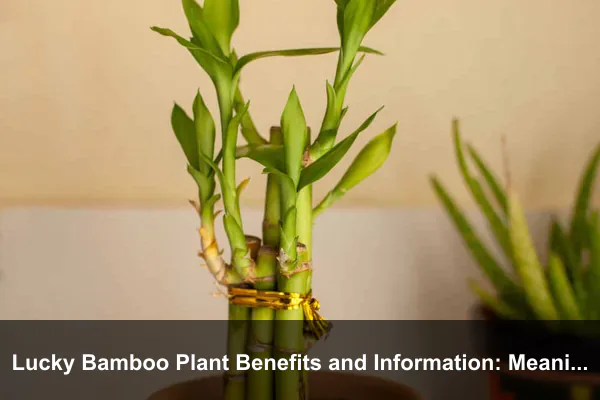
Lucky Bamboo plant benefits and information are often discussed by indoor plant lovers because this elegant plant offers more than simple decoration. With its upright green stalks, ribbon-like leaves, and ability to grow beautifully in water, Lucky Bamboo has become one of the most popular plants for homes, desks, shops, reception areas, and meaningful gifts. Despite its name, it is not a true bamboo. It is a member of the Dracaena family, most commonly sold as Dracaena sanderiana, and that difference matters because its care needs are much closer to tropical houseplants than outdoor bamboo.
What makes Lucky Bamboo especially interesting is the combination of symbolism, low-maintenance care, and flexible display options. In many Asian-inspired design traditions, the plant is associated with good fortune, resilience, harmony, and positive energy. In modern homes, it also works as a compact ornamental plant that fits small spaces and does not require soil when grown correctly in clean water. This guide explores Lucky Bamboo plant benefits and information from a practical and meaningful angle, including its origin, symbolism, water care, light needs, safety notes, styling ideas, and common problems such as yellow stalks or pale leaves.
What Is Lucky Bamboo?
Lucky Bamboo is a tropical ornamental plant widely grown indoors for its neat shape and symbolic value. Although the common name suggests a relationship with bamboo, the plant is botanically different from true bamboo species. True bamboo belongs to the grass family, while Lucky Bamboo belongs to the Asparagaceae family and the Dracaena genus. This is why Lucky Bamboo grows slowly indoors, tolerates lower light better than many sun-loving plants, and can live in a vase of water when its roots are kept clean and healthy.
The plant usually has segmented green canes that resemble bamboo stems. New leaves grow from the upper nodes, creating a simple but graceful appearance. Commercial growers often train the stalks into spirals, braids, towers, hearts, and layered arrangements. These shapes are produced by carefully controlling light direction and growth over time, not by forcing the plant suddenly. For regular home growers, straight stalks are easier to maintain and usually stay healthier over the long term.
Lucky Bamboo is commonly sold in three forms: bare-root stalks in water, potted plants in soil, and decorative arrangements held in place with pebbles. Each form can thrive if the basic needs are met. The most important points are clean water, bright indirect light, stable temperatures, and protection from harsh chemicals such as chlorine and fluoride in tap water.
Basic Lucky Bamboo Profile
- Botanical name: Dracaena sanderiana
- Common names: Lucky Bamboo, Friendship Bamboo, Water Bamboo, Ribbon Dracaena
- Plant type: Tropical evergreen ornamental plant
- Best indoor use: Desk plant, gift plant, small-space decor, Feng Shui arrangement
- Light preference: Bright, indirect light
- Growing medium: Water with pebbles or well-draining potting mix
- Pet safety: Toxic to cats and dogs if chewed or eaten
Lucky Bamboo Plant Benefits
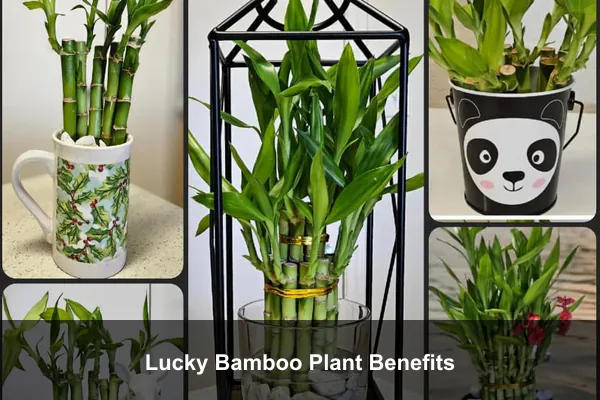
The benefits of Lucky Bamboo are best understood as a mix of visual, emotional, symbolic, and practical value. It is not a miracle plant, and it should not be treated as a substitute for medical care or air purification systems. However, as part of a healthy indoor environment, it can support a calmer, greener, and more intentional living space.
1. Adds Calm Greenery to Small Spaces
Lucky Bamboo is ideal for apartments, bedrooms, study corners, office desks, and shelves because it grows upright and does not need a wide pot. Its narrow shape allows it to bring a natural green accent into places where larger houseplants may feel crowded. For people who want plant benefits without managing a large indoor collection, one vase of Lucky Bamboo can create a fresh visual focal point with very little space.
The plant’s clean lines also fit many interior styles. It can look minimal in a clear glass vase, traditional in a ceramic pot, or modern in a simple stone-filled container. Because the leaves are not overly dense, it adds softness without making a room feel visually cluttered.
2. Symbolizes Good Fortune and Resilience
One of the strongest reasons people choose Lucky Bamboo is its cultural symbolism. In Feng Shui-inspired plant placement, it is commonly linked with luck, prosperity, health, balance, and steady growth. The stalks are often arranged in specific numbers, with each number carrying a different meaning. This symbolic layer makes the plant popular for housewarming gifts, business openings, birthdays, and new-year decorations.
Even for people who do not follow Feng Shui formally, the symbolism can still be meaningful. A living plant that continues to grow with simple care can represent patience, resilience, and positive intention. This is why Lucky Bamboo often feels more personal than a standard decorative object.
3. Easy to Grow in Water
Lucky Bamboo is one of the most accessible indoor plants because it can grow in water without soil. This makes it attractive for beginners who feel unsure about potting mix, drainage holes, or soil moisture levels. A transparent vase also allows the owner to see the roots clearly, making it easier to notice when the water is dirty or the roots need attention.
Growing Lucky Bamboo in water is not completely maintenance-free, but the routine is simple. Replace the water regularly, keep the roots submerged, avoid strong sunlight, and rinse the container if algae begins to form. This straightforward care routine is one reason Lucky Bamboo remains a favorite plant for busy people.
4. Works as a Thoughtful Gift Plant
Lucky Bamboo is widely used as a gift because it is compact, attractive, and rich in positive meaning. Unlike cut flowers, which fade quickly, Lucky Bamboo can live for years with proper care. It is also less demanding than many flowering plants, so the recipient does not need advanced gardening experience.
For gift-giving, the number of stalks can add intention. A two-stalk arrangement often represents love or partnership, three stalks are associated with happiness and good fortune, and eight stalks are commonly linked with abundance. This makes the plant suitable for both personal and professional occasions.
5. Encourages Mindful Plant Care
Another benefit of Lucky Bamboo is that it encourages a small but consistent care habit. Changing water, checking roots, cleaning pebbles, and rotating the vase toward light are simple acts that help people slow down and notice their environment. For many indoor gardeners, plant care becomes a grounding routine, especially in workspaces where screens and deadlines dominate the day.
This benefit is not about the plant having magical effects. It is about the relationship between a person and a living object. A healthy Lucky Bamboo arrangement can remind the owner to maintain small routines that support order, attention, and calm.
Lucky Bamboo Meaning and Number of Stalks
Lucky Bamboo plant benefits and information would be incomplete without discussing stalk meanings. In many decorative and Feng Shui traditions, the number of stalks in an arrangement is chosen intentionally. These meanings vary by region and personal belief, but the following interpretations are widely recognized.
- One stalk: Simplicity, strength, and focused growth.
- Two stalks: Love, partnership, and balanced relationships.
- Three stalks: Happiness, long life, and good fortune.
- Five stalks: Balance across important areas of life.
- Six stalks: Smooth progress, opportunity, and helpful luck.
- Seven stalks: Health, wellness, and personal vitality.
- Eight stalks: Growth, abundance, and prosperity.
- Nine stalks: Completion, blessings, and broad good fortune.
- Ten stalks: Wholeness, satisfaction, and a complete life.
- Twenty-one stalks: A powerful blessing arrangement often used for major wishes or milestones.
Many people avoid four-stalk arrangements because the number four is considered unlucky in some East Asian cultures due to its sound association with death in certain languages. This does not affect the plant biologically, but it is useful to know if the plant is being given as a culturally sensitive gift.
Best Places to Display Lucky Bamboo
Placement depends on the purpose of the plant. For decorative use, place Lucky Bamboo where its clean vertical shape can be appreciated, such as a desk corner, console table, entryway shelf, or bathroom counter with enough indirect light. For symbolic placement, many people put it near entrances to welcome positive energy or in work areas to represent growth and opportunity.
Avoid placing Lucky Bamboo in direct afternoon sun, near heating vents, beside air conditioners, or in dark corners with no natural light. The plant is tolerant, but it still needs stable indoor conditions to stay green and healthy.
How to Care for Lucky Bamboo in Water
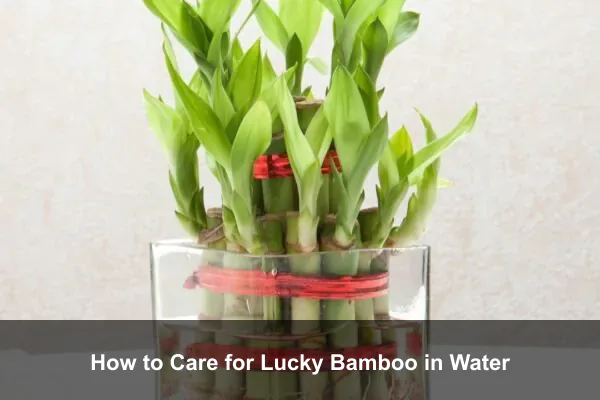
Water-grown Lucky Bamboo is popular because it looks clean and modern. The roots sit in water, while pebbles or decorative stones hold the stalks upright. The key to success is maintaining water quality. Poor water quality is one of the most common reasons for yellowing leaves, unpleasant smells, slimy roots, or rotting stalks.
Choose the Right Water
Lucky Bamboo can be sensitive to chemicals found in some tap water, especially chlorine and fluoride. If your tap water is heavily treated, use filtered water, distilled water, rainwater, or tap water that has been left standing overnight. Letting water sit can help chlorine evaporate, although it does not remove fluoride. If leaf tips turn brown even when the plant receives proper light, water quality may be the cause.
Keep the Water Level Consistent
The roots should stay submerged, but the stalks do not need to be deeply covered. Usually, 2 to 3 inches of water is enough for a small vase arrangement. If too much of the stalk sits underwater for long periods, the lower cane can become soft or vulnerable to rot. Add water when the level drops, and refresh the entire container regularly.
Change Water on a Schedule
For best results, change the water every 7 to 10 days. If the room is warm or the vase receives brighter light, algae may grow faster, so weekly changes are better. During each water change, rinse the pebbles and wipe the inside of the container. Clean containers reduce bacterial buildup and help prevent root problems.
Use Fertilizer Lightly
Lucky Bamboo does not need heavy feeding. Too much fertilizer can burn the roots or cause yellowing. If the plant has been growing in plain water for months and looks pale, use a very diluted liquid houseplant fertilizer or a fertilizer made for Lucky Bamboo. Apply it sparingly, usually once every one to two months during active growth. When in doubt, use less.
Growing Lucky Bamboo in Soil
Although water culture is common, Lucky Bamboo can also grow well in soil. In fact, soil-grown plants may develop stronger root systems over time because the roots have better oxygen balance and physical support. The main requirement is drainage. Lucky Bamboo dislikes soggy soil, so it should never sit in a waterlogged pot.
Best Soil Mix
Use a loose, well-draining potting mix. A standard indoor plant mix can work if it is amended with perlite, pumice, or coarse material to improve aeration. The soil should hold some moisture but not remain wet for days. If the potting mix feels dense or muddy, it can suffocate roots and increase the risk of rot.
Watering Soil-Grown Lucky Bamboo
Water when the top inch of soil begins to feel dry. Pour water evenly until excess drains from the bottom of the pot, then empty the saucer. Do not water on a strict calendar without checking the soil first, because indoor temperature, pot size, and light levels all affect drying time.
Moving from Water to Soil
A Lucky Bamboo stalk that has grown in water can be moved to soil, but the transition should be gentle. Choose a small pot with drainage, plant the roots carefully, and keep the soil slightly moist for the first few weeks. The plant may pause growth while adapting. Avoid fertilizing immediately after the move because the roots need time to adjust.
Light, Temperature, and Humidity Needs
Lucky Bamboo is forgiving, but it still has preferences. Most problems appear when the plant is exposed to extremes: too much direct sun, too little light, cold drafts, or dry heat. Understanding these conditions helps prevent the most common issues.
Light Requirements
Bright, indirect light is ideal. A spot near an east-facing window, a few feet from a bright filtered window, or under gentle office lighting can work well. Direct sun can scorch the leaves and cause yellow or brown patches. Very low light may not kill the plant quickly, but it can make the leaves pale, thin, and slow-growing.
If your Lucky Bamboo leans toward the light, rotate the vase every week. This encourages even growth and keeps the arrangement looking balanced.
Temperature Range
Lucky Bamboo prefers normal indoor temperatures, generally between 65 and 90 degrees Fahrenheit. It should be protected from cold windows, outdoor winter air, and sudden temperature changes. Chilling can damage the leaves and weaken the stalks.
Humidity Preferences
Average indoor humidity is usually acceptable, especially when the plant is grown in water. If leaf tips become dry and crispy in an air-conditioned room, move the plant away from direct airflow. A nearby humidity tray or grouping with other plants can help, but misting is not always necessary.
Common Lucky Bamboo Problems and Solutions
Even low-maintenance plants show stress when conditions are not right. Lucky Bamboo problems are usually visible early, which gives you time to act before the entire plant declines.
Yellow Leaves
Yellow leaves can be caused by direct sun, poor water quality, excess fertilizer, or natural aging. First, check whether the plant is receiving harsh light. Then replace the water with filtered or distilled water and stop fertilizing until new growth looks normal. Remove fully yellow leaves with clean scissors so the plant can redirect energy.
Yellow Stalks
A yellow stalk is more serious than a yellow leaf. It may indicate root damage, rot, chemical stress, or an unhealthy cane. Once a stalk turns yellow and soft, it rarely recovers. Remove it from the arrangement quickly to protect healthy stalks. If the top portion is still green and firm, it may be possible to cut and propagate the healthy section.
Brown Leaf Tips
Brown tips are often linked to fluoride, chlorine, dry air, or fertilizer buildup. Switch to filtered water and avoid overfeeding. Trim the brown tips if desired, following the natural shape of the leaf. Use clean scissors to reduce the chance of infection.
Algae in the Vase
Algae grows when water, light, and nutrients combine. It is common in clear glass containers placed near bright windows. Clean the vase, rinse pebbles, replace water more often, and move the arrangement slightly away from strong light. A darker container can also reduce algae growth.
Soft or Smelly Roots
Healthy roots are usually orange, red, or light-colored depending on the plant and water conditions. Rotten roots may look black, mushy, or smell unpleasant. Rinse the roots, trim away damaged parts with sterilized scissors, clean the container thoroughly, and refill with fresh water. If the stalk base is also soft, the plant may not be salvageable.
Propagation and Pruning Tips
Lucky Bamboo can be propagated from healthy cane cuttings. This is useful when a plant becomes too tall, develops a leggy top, or needs rescue from a partially damaged stalk. Propagation also allows you to create new arrangements from an existing plant.
How to Propagate Lucky Bamboo
- Choose a healthy green stalk with at least one strong offshoot.
- Use clean, sharp scissors or pruning shears.
- Cut the offshoot close to the main cane, leaving a clean edge.
- Place the cutting in filtered water with the lower node submerged.
- Keep it in bright indirect light and change the water regularly.
- Wait for roots to develop before moving it to a permanent vase or pot.
Do not propagate from yellow, soft, or diseased parts. Only firm green sections have a good chance of rooting successfully.
Pruning for Shape
Pruning helps maintain a balanced arrangement. If the leaves become too tall or uneven, trim the leafy shoots rather than cutting the main cane unnecessarily. New growth often appears near the cut area. Keep tools clean and avoid removing too much foliage at once.
Safety for Pets and Children
Lucky Bamboo is attractive, but it is not edible. Like many Dracaena plants, it contains compounds that can cause problems if chewed by pets. Cats and dogs may experience vomiting, drooling, loss of appetite, or weakness after eating parts of the plant. Because of this, Lucky Bamboo should be kept out of reach of pets that like to chew leaves or drink from plant containers.
For homes with young children, the main concern is curiosity. The pebbles, water, and stalks may invite touching or pulling. Place the arrangement on a stable surface where it cannot be easily tipped over. If decorative stones are small, they may also be a choking hazard, so choose larger stones or a safer container when children are present.
Decorating with Lucky Bamboo
Lucky Bamboo is versatile because it can look natural, formal, spiritual, or modern depending on the container and arrangement. Its strongest design feature is vertical rhythm. Use that quality to create height on a desk, soften a shelf, or add life to a narrow corner.
Container Ideas
- Clear glass vase: Best for showing roots, water level, and decorative stones.
- Ceramic pot: Good for a warmer, more traditional display.
- Tall cylinder vase: Helps support long stalks and creates a clean modern line.
- Shallow bowl with stones: Works for short stalks or grouped arrangements.
- Soil pot with drainage: Best for long-term root stability.
Where It Looks Best
Place Lucky Bamboo where its shape can be seen clearly. It works well on desks, sideboards, entry tables, bathroom shelves with natural light, and small kitchen windowsills that do not receive direct hot sun. In offices, it brings greenery without dropping leaves or taking over valuable work space.
For a more intentional display, pair it with simple materials such as river stones, white ceramic, bamboo trays, or matte black containers. Avoid overcrowding the vase with too many decorative items because the plant’s beauty comes from simplicity.
Buying Guide: How to Choose a Healthy Lucky Bamboo
Choosing a healthy plant from the beginning makes care much easier. Many Lucky Bamboo problems start before the plant reaches your home, especially if it has been sitting in dirty water, harsh light, or crowded packaging.
Signs of a Healthy Plant
- Firm green stalks with no soft or yellow sections.
- Fresh green leaves without large brown patches.
- Clean water with no rotten smell.
- Visible roots that are not mushy or black.
- Stable stalks held upright without tight wires cutting into the cane.
Warning Signs to Avoid
- Yellow stalk bases or slimy lower stems.
- Strong odor from the vase or container.
- Leaves that are mostly brown, dry, or curled.
- Decorative arrangements packed too tightly with no airflow.
- Painted, waxed, or glued decorations that trap moisture around the cane.
If buying Lucky Bamboo as a gift, choose a simple arrangement that will be easy for the recipient to maintain. A healthy three-stalk or five-stalk arrangement is often more practical than a complicated design that may be difficult to clean.
Lucky Bamboo Myths and Realistic Expectations
Because Lucky Bamboo is surrounded by symbolism, it is sometimes marketed with exaggerated claims. A realistic view helps you enjoy the plant without misunderstanding what it can and cannot do.
Myth: Lucky Bamboo Cleans All Indoor Air
Lucky Bamboo contributes greenery and may support a pleasant indoor atmosphere, but one small plant will not purify an entire room. For better indoor air quality, focus on ventilation, dust control, humidity balance, and reducing pollution sources. Plants can be part of a healthier space, but they are not a complete air-cleaning solution.
Myth: Lucky Bamboo Needs No Care
It is low-maintenance, not maintenance-free. Water must be changed, containers must be cleaned, and the plant needs proper light. Neglect usually shows up as algae, yellowing, or root rot.
Myth: More Fertilizer Means Faster Luck and Growth
Lucky Bamboo grows slowly indoors, and heavy fertilizer can damage it. Light feeding is enough. The healthiest growth comes from stable care, clean water, and suitable light rather than aggressive feeding.
Conclusion
Lucky Bamboo plant benefits and information center on a rare combination of beauty, symbolism, and simple care. This plant brings a calm green presence to small spaces, offers meaningful gift value, and fits well in both water-based and soil-based displays. Its association with good fortune, growth, resilience, and harmony makes it especially appealing for homes, offices, and personal milestones.
To keep Lucky Bamboo healthy, remember the essentials: use clean water, avoid harsh direct sunlight, refresh the container regularly, feed lightly, and remove unhealthy stalks quickly. Treat it as a living tropical plant rather than a decorative object, and it can remain attractive for years. Whether you choose it for Feng Shui meaning, easy indoor greenery, or a thoughtful gift, Lucky Bamboo is a distinctive plant that stands apart from common houseplants while still being friendly for beginners.
