
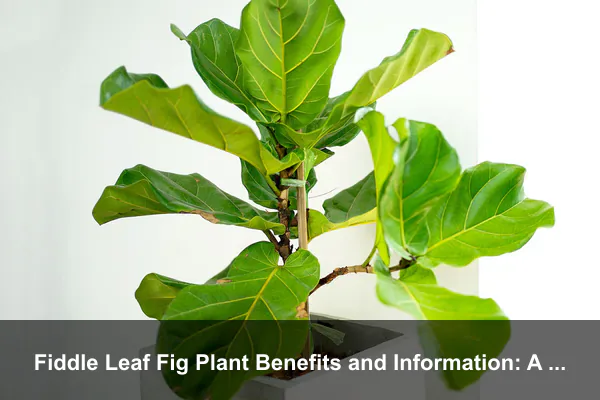
The fiddle leaf fig is one of the most recognizable indoor plants in modern homes, offices, studios, and plant-filled corners. With its tall shape, upright trunk, and large violin-like leaves, this plant does more than add greenery. It changes the feeling of a room, gives empty spaces a stronger focal point, and brings a refined tropical character indoors without needing flowers or bright colors.
This guide covers Fiddle Leaf Fig plant benefits and information from a practical, honest, and beginner-friendly point of view. Instead of repeating generic houseplant claims, it focuses on what makes Ficus lyrata unique: its architectural beauty, indoor wellness value, light needs, care rhythm, safety concerns, and smart placement. If you want a plant that looks elegant but still needs thoughtful attention, the fiddle leaf fig is worth understanding before you bring one home.
What Makes the Fiddle Leaf Fig Different?
The fiddle leaf fig, botanically known as Ficus lyrata, is a tropical evergreen tree native to parts of western Africa. In nature, it can grow into a large tree, but indoors it is usually kept as a potted ornamental plant. Its name comes from the shape of the leaves, which resemble a fiddle or violin: broad at the top, narrower near the center, and rounded again toward the base.
Unlike trailing plants such as pothos or compact tabletop plants, the fiddle leaf fig has a strong vertical presence. It is often used as a living design element in living rooms, entryways, reading corners, boutique interiors, and workspaces. A healthy plant can make a blank wall feel intentional, soften hard furniture lines, and add natural texture to minimalist or contemporary spaces.
A Plant With Architectural Value
The biggest difference is its structure. The fiddle leaf fig grows upward like a small indoor tree, creating height without needing a shelf, hanger, or plant stand. Its oversized leaves create a bold silhouette that looks clean and sculptural, making it ideal for people who want one impressive plant instead of many small pots.
Beautiful but Not Completely Carefree
This plant is not the easiest houseplant, but it is not impossible either. It responds strongly to light changes, overwatering, underwatering, cold drafts, and sudden relocation. That sensitivity is part of why good information matters. Once its environment is stable, the fiddle leaf fig can grow well indoors and become a long-term part of the home.
Key Fiddle Leaf Fig Plant Benefits
The benefits of a fiddle leaf fig are best understood realistically. It is not a miracle air purifier, medicine, or low-effort plant. Its true value lies in interior beauty, daily connection with nature, atmosphere, and the way it encourages more mindful indoor living.
1. It Creates a Strong Indoor Focal Point
One of the clearest fiddle leaf fig benefits is visual impact. A single plant can make a room look more balanced and styled. Its large leaves naturally draw attention, while the slim trunk prevents the plant from feeling too heavy. This makes it useful in spaces that need height, softness, or a natural accent.
Good places for a fiddle leaf fig include:
- Beside a bright window with filtered sunlight
- Near a reading chair or sofa corner
- In an entryway that receives bright indirect light
- Beside a desk to soften a home office
- In a bedroom corner away from air-conditioning vents
2. It Supports Biophilic Design
Biophilic design is the idea that people feel better when interiors include natural materials, organic shapes, sunlight, and living plants. The fiddle leaf fig fits this idea beautifully because it brings a tree-like feeling indoors. Its broad leaves, visible veins, and changing growth pattern remind the eye that the room is not only built from furniture, screens, and walls.
For people in apartments or urban homes, this is especially valuable. A fiddle leaf fig can offer a sense of green space even when there is no garden. This benefit is emotional and visual rather than medical, but it can still make daily routines feel calmer and more grounded.
3. It May Help Improve the Room Atmosphere
Like many indoor plants, the fiddle leaf fig participates in natural processes such as photosynthesis and transpiration. Through transpiration, plants release small amounts of moisture into the air. In a dry room, one plant will not replace a humidifier, but a healthy collection of houseplants may contribute to a more comfortable indoor atmosphere.
The large leaves can also collect dust, which is helpful only if you clean them regularly. Wiping the leaves keeps the plant attractive and allows more light to reach the leaf surface. This simple routine also makes you notice early signs of pests, dryness, or watering problems.
4. It Encourages a Better Care Routine
A fiddle leaf fig teaches observation. Because it reacts visibly to stress, owners learn to check soil moisture, watch light direction, rotate the pot, and avoid sudden changes. This makes it a good plant for someone who wants to become more attentive rather than someone who wants to forget a plant for weeks.
Important Fiddle Leaf Fig Information Before Buying
Before choosing a fiddle leaf fig, it helps to know how the plant grows and what it expects indoors. Many problems happen because people buy it for its beauty but place it in a dark corner or water it on a fixed calendar. This plant performs best when its natural preferences are respected.
Botanical Profile
- Common name: Fiddle leaf fig
- Botanical name: Ficus lyrata
- Plant type: Tropical evergreen ornamental tree
- Indoor size: Commonly 3 to 10 feet tall, depending on pot size and care
- Leaf feature: Large, glossy, fiddle-shaped leaves with visible veins
- Best use: Indoor statement plant, decorative houseplant, bright room accent
Growth Habit Indoors
Indoors, the fiddle leaf fig usually grows as a single trunk or a branched tree form. Some are sold as compact bushy plants, while others are trained with a taller bare stem and a leafy top. Tree-form plants are excellent for interior design, while bushier plants can look fuller at lower height.
New leaves typically emerge from the top when the plant is actively growing. If the plant is healthy, new growth is usually a sign that light, watering, and root conditions are acceptable. If growth stops for a long time, the plant may need more light, warmer temperatures, better drainage, or time to adjust after relocation.
Best Placement for Light, Space, and Style

Placement is one of the most important parts of fiddle leaf fig care. This plant likes bright indirect light. A location near an east-facing window, a bright south-facing room with filtered light, or a west-facing window protected by a sheer curtain can work well. Direct harsh afternoon sun may scorch leaves, while low light can cause weak growth and leaf drop.
How to Choose the Right Spot
Look for a spot that is bright enough to read comfortably during the day without turning on a lamp. The plant should receive steady light but not sit pressed against hot glass. Keep it away from cold drafts, heating vents, and strong air-conditioning, because sudden temperature changes can stress the leaves.
For styling, place the plant where its height makes sense. A tall fiddle leaf fig can balance a low sofa, fill a vertical wall space, or frame a window. Avoid crowded corners where leaves are bent against walls or furniture. Good air movement around the plant helps reduce pest and fungal problems.
Should You Rotate It?
Yes, but gently. Rotate the pot a little every week or two so the plant grows more evenly. Large rotations or frequent moves from one room to another can shock the plant. A fiddle leaf fig prefers consistency, so once you find a good spot, treat that location as its home.
Care Essentials for Healthy Fiddle Leaf Fig Leaves
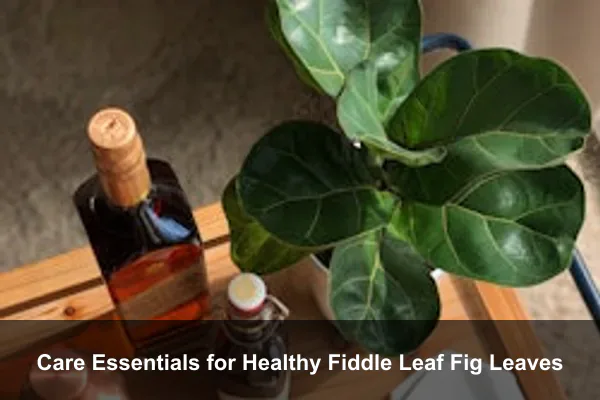
Healthy leaves are the main attraction of this plant, and their condition usually reflects the care routine. Fiddle leaf figs prefer consistent moisture, good drainage, bright light, and clean foliage. The goal is not to keep the soil constantly wet, but to water deeply when the plant is ready.
Watering the Right Way
Check the soil before watering. In many homes, watering when the top 2 to 3 inches of soil feel dry is a good starting point. Water until excess liquid drains from the bottom of the pot, then empty the saucer so the roots do not sit in water. Overwatering can cause root problems, brown patches, and leaf drop.
Signs of watering issues include:
- Dry, crispy brown edges: Often linked to underwatering, dry air, or inconsistent moisture
- Dark brown or black spots: Often linked to overwatering or poor drainage
- Yellowing leaves: Can be caused by too much water, low light, or nutrient imbalance
- Sudden leaf drop: May happen after moving, drafts, watering stress, or light changes
Soil and Pot Choice
Use a well-draining potting mix. A blend made for indoor tropical plants, often improved with perlite, bark, or coco coir, can help balance moisture and airflow. The pot must have drainage holes. Decorative pots without drainage may look attractive, but they increase the risk of soggy roots unless used only as outer cachepots.
Cleaning the Leaves
The large leaves collect dust easily. Wipe them with a soft damp cloth every few weeks. Clean leaves look better and help the plant absorb light more efficiently. Avoid heavy leaf-shine products, because they can clog the leaf surface or leave an unnatural finish.
Safety, Sensitivity, and Common Problems
The fiddle leaf fig is an ornamental plant, not an edible or medicinal plant. Its milky sap can irritate skin, and the plant is considered toxic to cats, dogs, and humans if chewed or swallowed. Keep it away from curious pets and small children. If a pet bites the leaves and shows drooling, vomiting, mouth irritation, or unusual behavior, contact a veterinarian.
Why Leaves Drop After Bringing It Home
Leaf drop is common after purchase because the plant has moved from a nursery or shop into a completely different home environment. Light, humidity, temperature, and watering all change. Give the plant time to adjust, avoid repotting immediately unless the soil is very poor, and do not move it repeatedly while it settles.
Common Pests
Fiddle leaf figs can attract spider mites, scale, mealybugs, and fungus gnats. Inspect the underside of leaves and the points where leaves meet stems. Early pest problems are easier to manage than heavy infestations. Regular leaf cleaning, good airflow, and avoiding constantly wet soil can reduce pest pressure.
How to Style a Fiddle Leaf Fig Without Overcrowding a Room
Because the fiddle leaf fig already has a dramatic shape, it usually looks best with a simple pot and enough empty space around it. Choose a planter that supports the style of the room without competing with the leaves. Matte ceramic, woven baskets used as cachepots, neutral clay tones, black planters, or clean white pots can all work depending on your interior style.
In small rooms, choose a younger plant or a narrow tree form. In larger rooms, a taller specimen can anchor the space. Avoid placing many large-leaf plants together if they compete visually. The fiddle leaf fig is often strongest when it is allowed to be the main plant in the area.
Good Companion Plants
If you want to combine it with other plants, use smaller textures around it. Ferns, peperomia, calathea, or small trailing plants can add contrast without stealing attention. Keep their pots separate so each plant can be watered according to its own needs.
Is the Fiddle Leaf Fig Good for Beginners?
The answer depends on the beginner. If you want a plant that survives neglect, this may not be the best first choice. If you are willing to learn light, watering, and placement, a fiddle leaf fig can be a rewarding plant. It is less forgiving than snake plant or pothos, but it offers a stronger design impact and a more tree-like indoor presence.
A beginner can succeed by following a few simple rules:
- Place it in bright indirect light from the beginning.
- Use a pot with drainage holes.
- Check soil moisture before watering.
- Keep it away from vents, drafts, and frequent moves.
- Clean leaves and inspect for pests regularly.
Conclusion
The fiddle leaf fig is popular for good reason. Its large, sculptural leaves and upright growth make it one of the most stylish indoor plants for modern homes. The main Fiddle Leaf Fig plant benefits and information to remember are its strong decorative value, contribution to a more natural indoor atmosphere, ability to support biophilic design, and role as a rewarding plant for people who enjoy attentive care.
It does need the right conditions: bright indirect light, careful watering, good drainage, stable placement, and protection from pets or children who may chew the leaves. When those needs are met, Ficus lyrata can become more than a trendy houseplant. It can be a long-lasting living feature that gives a room height, texture, calmness, and a clear connection to nature.
