
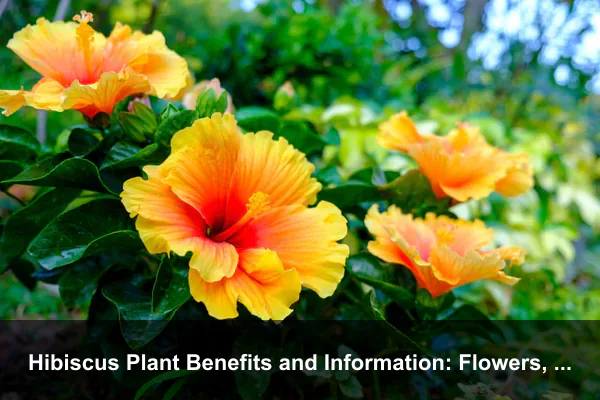
Hibiscus is one of the most recognizable flowering plants in warm gardens, patio containers, edible landscapes, and herbal traditions. With its bold trumpet-shaped blooms, glossy foliage, and tropical personality, it brings color quickly while offering more than simple decoration. A well-grown hibiscus plant can support pollinators, brighten outdoor rooms, provide seasonal privacy, and, in the case of edible roselle, supply the tart red calyces used for hibiscus tea, syrups, jams, and natural color.
This guide focuses on hibiscus plant benefits and information from a practical gardener’s point of view. Instead of treating hibiscus as just another indoor houseplant, it looks at the plant as a flowering shrub, patio specimen, pollinator resource, and useful herbal plant. You will learn how different hibiscus types compare, which parts are commonly used, how to grow hibiscus successfully, what problems to watch for, and how to enjoy the plant safely.
Hibiscus Plant Benefits and Information at a Glance
Hibiscus belongs to the mallow family, a large plant family that includes many ornamental, edible, and fiber-producing plants. The word hibiscus can refer to several species, so the first step is understanding which type you are growing. Tropical hibiscus, hardy hibiscus, rose of Sharon, and roselle all look related, but they differ in climate tolerance, growth habit, flower size, and culinary value.
For many gardeners, the main appeal is visual. Hibiscus flowers can be red, pink, yellow, orange, white, lavender, peach, or bicolored, often with a dramatic central throat. Some flowers last only a day, but healthy plants produce buds repeatedly through the warm season. This constant flower cycle makes hibiscus valuable in gardens where strong color is needed without relying only on annual bedding plants.
- Main plant type: Flowering shrub or herbaceous perennial, depending on species.
- Best known benefit: Large, colorful flowers that create a tropical garden effect.
- Useful species: Hibiscus sabdariffa, commonly called roselle, is widely used for tea and edible calyces.
- Garden value: Attracts pollinators, adds seasonal structure, and works well in containers.
- Care level: Moderate; hibiscus is not difficult, but it needs light, warmth, water, and feeding during active growth.
- Best placement: Sunny patios, warm borders, edible gardens, pollinator beds, and bright seasonal displays.
Why Hibiscus Is Different From Common Indoor Plants
Many popular plant guides focus on foliage houseplants grown for air-purifying myths, low-light tolerance, or office decor. Hibiscus is different. It is grown primarily for flowers, outdoor beauty, and species-specific uses. While tropical hibiscus can be overwintered indoors in cool climates, it performs best with strong light and warm temperatures. Treating it like a low-light indoor plant usually leads to bud drop, sparse growth, and weak flowering.
The Importance of Knowing the Species
Accurate identification matters because not every hibiscus has the same purpose. A tropical hibiscus bought from a nursery may be perfect for a patio container, but it is not the same as roselle grown for edible calyces. Hardy hibiscus can survive winter in colder zones, while tropical hibiscus is damaged by frost. Rose of Sharon can become a durable landscape shrub, but it may self-seed in some regions. Knowing the species helps you choose the right plant for your climate, cooking plans, and garden style.
Key Benefits of Growing Hibiscus
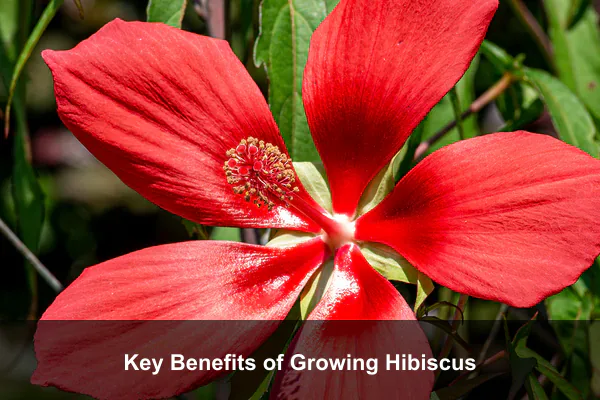
The benefits of hibiscus are both ornamental and practical. It is a plant that gives quick visual rewards, but it also fits into larger goals such as pollinator gardening, edible landscaping, patio beautification, and seasonal privacy. When gardeners talk about hibiscus plant benefits and information, they are often interested in this mix of beauty and usefulness.
Bold Flowers for High-Impact Garden Color
Hibiscus flowers create a strong focal point. A single open bloom can be large enough to catch attention from across a yard, especially in red, coral, yellow, or magenta varieties. This makes hibiscus useful near entrances, along sunny walkways, beside pools, and in containers where a dramatic plant is needed. Unlike small-flowered ornamentals that rely on mass planting, hibiscus can make a statement with one well-placed shrub.
The plant is especially valuable in tropical, subtropical, and summer-themed landscapes. It pairs well with ornamental grasses, cannas, gingers, elephant ears, crotons, coleus, and other bold foliage plants. In a more restrained garden, a single hibiscus in a simple container can provide a bright seasonal accent without overwhelming the entire design.
Pollinator Support in Warm-Season Gardens
Open hibiscus flowers can attract bees, butterflies, and other beneficial visitors. In regions where hummingbirds are present, red and pink hibiscus blooms may also draw their attention. The plant is not a complete pollinator garden by itself, but it can be part of a diverse planting plan that includes nectar-rich flowers, host plants, herbs, and native species.
For the best pollinator value, avoid spraying broad-spectrum insecticides on open blooms. If pests appear, inspect the undersides of leaves and new growth first, then use targeted, lower-impact methods such as water sprays, pruning, insecticidal soap, or horticultural oil when appropriate. This keeps hibiscus flowers attractive while reducing harm to beneficial insects.
Patio Privacy and Seasonal Structure
Many hibiscus varieties grow into bushy shrubs that can soften hard edges, screen a seating area, or frame a sunny balcony. In containers, tropical hibiscus can act like a movable flowering screen during summer. In the ground, rose of Sharon and hardy hibiscus can add vertical structure to mixed borders.
This benefit is especially useful for small spaces. Instead of adding a permanent fence or heavy hedge, a large container hibiscus can create seasonal privacy where it is needed most. Choose a pot with adequate drainage, use a stable container that will not tip easily, and prune lightly to encourage a fuller shape.
Edible and Herbal Potential
The edible side of hibiscus is most strongly associated with roselle, Hibiscus sabdariffa. After flowering, roselle produces fleshy red calyces that are harvested and dried or used fresh. These calyces are the part most often used for hibiscus tea, not the showy petals of ornamental nursery hibiscus. The flavor is tart, cranberry-like, and refreshing, which is why hibiscus is common in iced drinks, herbal blends, sauces, syrups, and preserves.
Because hibiscus products can affect the body, especially concentrated extracts or frequent medicinal use, it should be treated with respect. Enjoying hibiscus tea as a beverage is different from using high-dose supplements. People who are pregnant, breastfeeding, taking blood pressure medication, using diabetes medication, or managing a medical condition should ask a qualified health professional before using hibiscus therapeutically.
Hibiscus Tea, Calyces, and Traditional Uses
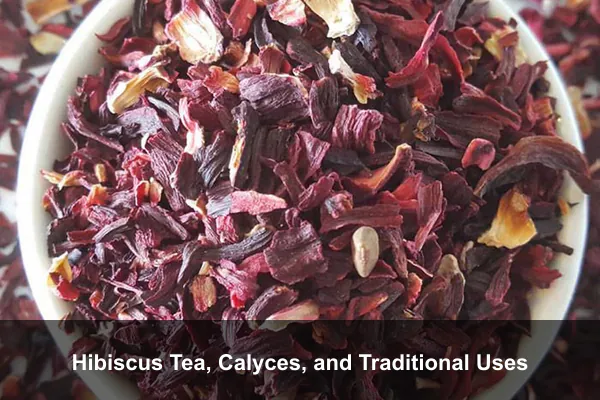
Hibiscus has a long history in food and drink traditions across warm regions. In many cultures, roselle calyces are brewed into a deep red beverage served hot or cold. Depending on the region, the drink may be sweetened, spiced with ginger or cinnamon, mixed with citrus, or served as a festive refreshment. This is one reason hibiscus stands out among flowering plants: it offers both garden beauty and a recognizable culinary use.
Roselle Is the Main Tea Hibiscus
When people search for hibiscus tea, they are usually referring to roselle. The plant develops red, fleshy calyces around the seed pods. These calyces are harvested after the flowers fade and before they become overly tough. They can be used fresh for sauces and jams or dried for later tea making. The dried calyces turn water a rich ruby color and add a bright sour flavor.
Ornamental hibiscus flowers from garden centers should not automatically be used for tea. They may be different species or hybrids, and they may have been treated with pesticides, growth regulators, or ornamental plant products not intended for food crops. If your goal is tea or edible use, grow roselle from a reliable edible seed source and avoid chemical treatments that are not labeled for food plants.
Potential Wellness Benefits Without Exaggeration
Hibiscus is often discussed for its antioxidants and possible support for healthy blood pressure. The National Center for Complementary and Integrative Health notes that roselle, Hibiscus sabdariffa, is among foods and dietary supplements that may help reduce blood pressure in people with hypertension. That does not make hibiscus a replacement for medical care, prescribed medication, diet changes, or monitoring by a clinician.
A responsible way to describe hibiscus benefits is to say that it can be a flavorful, caffeine-free herbal drink with promising research in specific areas. Avoid claims that hibiscus cures disease, detoxes the body, or guarantees weight loss. Good plant information should help readers enjoy the plant wisely, not encourage risky self-treatment.
Culinary Ways to Use Roselle
Roselle is versatile in the kitchen because of its color and acidity. The tart flavor balances sugar well, so it appears in drinks and preserves. It can also add brightness to savory sauces in small amounts. If you grow roselle at home, harvest clean calyces, remove the seed pod, rinse thoroughly, and dry them in a clean, well-ventilated place or a food dehydrator.
- Tea: Steep dried roselle calyces in hot water, then sweeten if desired.
- Iced drink: Brew a stronger infusion, chill it, and serve with lime, mint, or ginger.
- Syrup: Simmer calyces with sugar and water for drinks, desserts, or sparkling beverages.
- Jam or jelly: Use the natural tartness and color for spreads.
- Sauce: Add a small amount to fruit sauces, marinades, or glazes for acidity and color.
Popular Types of Hibiscus Plants
Choosing the right hibiscus starts with matching the plant to your climate and purpose. A gardener in a cold winter region may need hardy hibiscus or rose of Sharon outdoors, while a tropical gardener can grow hibiscus shrubs year-round. Someone interested in tea should choose roselle. Someone focused on patio flowers may prefer tropical hibiscus hybrids.
Tropical Hibiscus
Tropical hibiscus, often Hibiscus rosa-sinensis hybrids, is the classic glossy-leaved plant with vivid flowers. It thrives in warm weather, bright sun, and evenly moist soil. In frost-free climates it can become a landscape shrub. In colder regions, it is usually grown in containers and brought indoors before frost. It is ideal for patios, pool areas, balconies, and sunny entryways.
Hardy Hibiscus
Hardy hibiscus, including Hibiscus moscheutos and related hybrids, can survive winter in many temperate climates. It dies back to the ground in cold weather and returns from the roots in spring. The flowers can be enormous, sometimes dinner-plate sized, and appear in white, pink, red, and bicolor forms. This type is excellent for sunny borders, rain gardens, and moist soils.
Rose of Sharon
Rose of Sharon, Hibiscus syriacus, is a woody shrub valued for late-summer flowers. It is more cold-hardy than tropical hibiscus and can work as a hedge, specimen shrub, or back-of-border plant. Some varieties self-seed, so gardeners who want low maintenance should look for sterile or low-seed cultivars when available.
Roselle
Roselle, Hibiscus sabdariffa, is the best choice for edible calyces and hibiscus tea. It prefers warm weather and a long growing season. In cooler regions, gardeners may start seeds indoors and transplant after nights are reliably warm. Roselle can grow tall and vigorous, so give it space, sun, and good air circulation.
Red Leaf Hibiscus
Red leaf hibiscus, often Hibiscus acetosella, is grown mainly for deep burgundy foliage. Its leaves can look similar to Japanese maple foliage from a distance, but the plant has a tropical, fast-growing habit. It is useful in ornamental beds where foliage contrast is needed, even when flowers are not the main feature.
How to Grow Hibiscus Successfully
Hibiscus care is straightforward when you understand what the plant wants. Most hibiscus plants grow best with warmth, bright light, fertile soil, steady moisture, and regular feeding during active growth. Problems often appear when the plant is placed in too much shade, allowed to dry severely, kept in soggy soil, or moved suddenly from one environment to another.
Light Requirements
For strong flowering, hibiscus usually needs full sun or very bright light. In hot climates, some afternoon shade can protect leaves and flowers from stress. In cooler or milder regions, more direct sun is usually beneficial. If a container hibiscus has been indoors or in shade, introduce it to stronger sunlight gradually to prevent leaf scorch.
Watering Needs
Hibiscus likes consistent moisture, especially in containers and during hot weather. The soil should not remain swampy, but it should not dry to dust either. Water deeply until moisture reaches the root zone. For potted plants, water until excess drains from the bottom, then empty saucers so roots are not sitting in stagnant water.
Yellow leaves can be a sign of too much water, too little water, sudden stress, or nutrient imbalance. Check the soil before assuming the cause. If the top inch is dry and the pot feels light, the plant likely needs water. If the soil is wet and sour-smelling, drainage may be the issue.
Soil and Potting
Use fertile, well-draining soil rich in organic matter. In containers, choose a quality potting mix rather than heavy garden soil. A container should have drainage holes and enough width to support the plant’s top growth. Repot when roots circle the pot heavily or water runs through without soaking the root ball.
Fertilizing for Blooms
Hibiscus is a hungry plant during active growth. A balanced fertilizer or a formula designed for flowering plants can support leaves, buds, and repeated blooming. Follow label rates carefully because overfertilizing can burn roots or encourage soft growth that attracts pests. Container plants often need more regular feeding than in-ground shrubs because nutrients wash out with watering.
Pruning and Shaping
Pruning helps hibiscus stay full and manageable. Remove dead, weak, or crossing stems first. Light tip pruning encourages branching, which can lead to more flowering points. For tropical hibiscus, avoid severe pruning right before you want a flower display, because buds form on new growth. For rose of Sharon, pruning in late winter or early spring works well because it blooms on current-season growth.
- Use clean, sharp pruners to reduce disease spread.
- Cut just above a healthy node or outward-facing bud.
- Remove no more than necessary when the plant is actively blooming.
- After pruning, provide light, water, and nutrition to support regrowth.
Common Hibiscus Problems and Practical Fixes
Even healthy hibiscus plants can face pests, yellow leaves, bud drop, and seasonal stress. The key is to diagnose the problem before reacting. Many hibiscus issues are caused by environmental changes rather than disease.
Bud Drop
Bud drop is one of the most common complaints. A plant forms buds, then drops them before they open. Causes include irregular watering, sudden temperature changes, low light, transplant shock, pest pressure, or moving a plant from outdoors to indoors. Keep care consistent, avoid letting the root ball dry completely, and inspect buds for aphids or thrips.
Yellow Leaves
Yellow leaves can occur after shipping, repotting, overwatering, underwatering, or changes in light. A few older yellow leaves are normal. Widespread yellowing needs attention. Check drainage, root health, and watering frequency. If the plant is in a pot without drainage, repot into a suitable container immediately.
Pests
Aphids, whiteflies, spider mites, mealybugs, and scale can attack hibiscus, especially tender new growth. Look for sticky residue, webbing, curled leaves, or small insects clustered around buds. Start with the least disruptive control: rinse the plant with water, prune heavily infested tips, and improve air circulation. If needed, use insecticidal soap or horticultural oil according to the product label, avoiding applications during extreme heat or direct midday sun.
Leaf Spots and Fungal Issues
Leaf spots are more likely when foliage stays wet for long periods or air circulation is poor. Water the soil rather than constantly wetting the leaves. Space plants so air can move around them. Remove fallen diseased leaves from the area, and avoid overcrowding containers against walls where humidity stays trapped.
Safety, Pets, and Responsible Hibiscus Use
Hibiscus is generally considered a friendly garden plant, but safety still depends on species, use, and individual sensitivity. The ASPCA lists hibiscus, specifically Hibiscus syriacus, as non-toxic to dogs, cats, and horses. Even so, pets can vomit or develop digestive upset from eating large amounts of plant material, fertilizer, potting mix, or treated leaves. It is still wise to discourage chewing.
For human use, the biggest distinction is ornamental versus edible hibiscus. Do not harvest flowers or leaves from plants treated with ornamental pesticides. Do not assume every hibiscus variety is appropriate for tea. For edible use, grow roselle or another clearly identified edible hibiscus from a trusted source.
Hibiscus tea and supplements may interact with health conditions or medications. People taking blood pressure or blood sugar medication should be cautious because hibiscus may influence those areas. Pregnant or breastfeeding people should avoid medicinal use unless advised by a clinician. Children and people with allergies should start carefully with any new herbal food.
Design Ideas for Hibiscus in the Garden
Hibiscus is flexible in design because it can act as a focal point, hedge, container specimen, edible crop, or seasonal accent. The best use depends on the type. Tropical hibiscus shines in decorative pots. Hardy hibiscus belongs in sunny borders with enough space for its large stems and flowers. Roselle fits edible landscapes and warm vegetable gardens. Rose of Sharon can provide structure in mixed shrub borders.
Container Display
For a patio display, place one hibiscus in a large pot and surround it with lower companion plants that enjoy similar conditions. Good companions include sweet potato vine, coleus, lantana, verbena, basil, or ornamental peppers, depending on your climate and design style. Keep the container balanced so companion plants do not compete too heavily with the hibiscus roots.
Pollinator Border
In a pollinator border, combine hibiscus with plants that bloom before and after it. This creates a longer feeding season for beneficial insects. Consider salvias, coneflowers, bee balm, zinnias, pentas, milkweed, and native flowering perennials suited to your region. Avoid relying on hibiscus alone, because a resilient pollinator garden needs diversity.
Edible Landscape
Roselle can be grown alongside okra, basil, lemongrass, peppers, eggplant, and other warm-season crops. Its red calyces add ornamental value while still being useful in the kitchen. Because roselle can become tall, place it where it will not shade smaller vegetables too heavily.
Buying and Planting Hibiscus: What to Look For
When buying hibiscus, choose a plant with healthy green leaves, several stems, and no major pest signs. Avoid plants with sticky residue, webbing, mushy roots, or many unopened buds dropping in the nursery pot. A few yellow leaves are not always serious, but widespread wilting or blackened stems suggest stress.
Plant hibiscus after frost danger has passed and nights are warm. For in-ground planting, dig a hole as deep as the root ball and slightly wider. Place the plant at the same depth it was growing in the container. Backfill with soil, water deeply, and mulch lightly while keeping mulch away from the stem base. For containers, use fresh potting mix and a pot that gives roots room without being excessively oversized.
- Choose tropical hibiscus for warm patios and dramatic container flowers.
- Choose hardy hibiscus for cold-winter gardens with summer impact.
- Choose rose of Sharon for a woody flowering shrub or informal hedge.
- Choose roselle if your main goal is hibiscus tea, calyces, and edible uses.
Reliable References for Hibiscus Information
For readers who want to verify plant care and safety details, helpful references include the University of Minnesota Extension guide to hibiscus care, the ASPCA plant listing for hibiscus and pet safety, and the NCCIH overview of complementary approaches for high blood pressure, which mentions roselle research. Local extension offices are also valuable because hibiscus performance depends strongly on climate, soil, and pest pressure.
Conclusion
Hibiscus is a standout plant because it combines beauty, usefulness, and cultural familiarity. Its flowers bring tropical color to gardens and patios, its shrubs can add seasonal structure and privacy, its blooms can support pollinators, and roselle offers a genuine edible harvest for tea and kitchen use. The most important lesson is to match the hibiscus type to your goal: tropical hibiscus for patio drama, hardy hibiscus for cold-climate borders, rose of Sharon for woody landscape structure, and roselle for herbal and culinary use.
With enough sunlight, steady moisture, fertile soil, and thoughtful pruning, hibiscus can become one of the most rewarding flowering plants in a home garden. Use it responsibly, identify edible species correctly, and treat health claims with care. When grown well, hibiscus delivers exactly what many gardeners want from a beneficial plant: color, life, usefulness, and a strong sense of place.
