
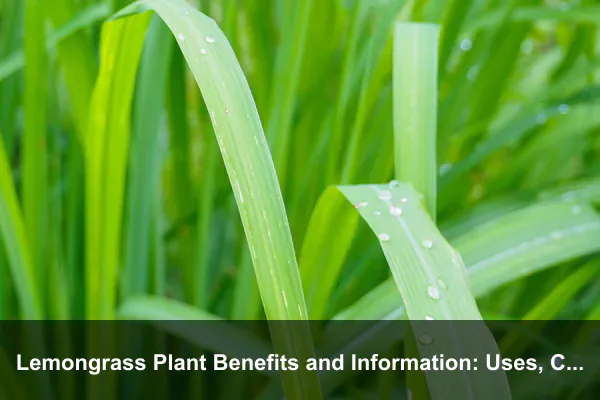
Lemongrass plant benefits and information are especially valuable for gardeners who want a plant that is practical, fragrant, beautiful, and useful in the kitchen. Known botanically as Cymbopogon citratus, lemongrass is a tropical clumping grass with long, narrow leaves and firm pale stalks that release a bright lemon aroma when cut or crushed. It is not just an ornamental grass and not just a cooking herb. It sits comfortably between both worlds: a productive plant for teas, soups, curries, garden borders, containers, and aromatic home use.
Unlike many common houseplants that are grown mainly for foliage, lemongrass is a working herb. In Southeast Asian kitchens, including Indonesian and Malaysian cooking where it is often called serai, the stalk is used to add citrusy depth without the sharp acidity of lemon juice. In the garden, the plant brings vertical texture, fresh scent, and a practical harvest. This guide covers the real benefits of lemongrass, how to grow it, how to harvest it, how to use it safely, and what to know before making it part of your home garden routine.
What Is Lemongrass?
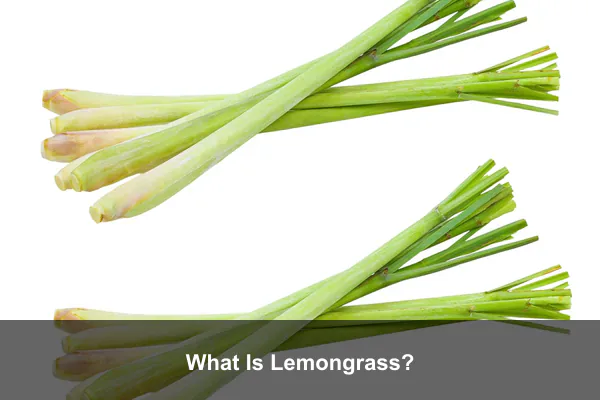
Lemongrass is a warm-climate perennial grass in the Poaceae family. The species most often grown for cooking is Cymbopogon citratus, commonly called West Indian lemongrass. It forms dense clumps of upright leaves that can reach several feet tall in warm conditions. The lower stalks are thick, pale, and aromatic, while the leaves are long, strap-like, and sharp along the edges.
Botanical Identity
The key plant feature is its citrus fragrance. This scent comes largely from natural aromatic compounds, especially citral, which gives lemongrass its lemon-like character. The plant is evergreen in tropical climates, but in cooler regions it behaves like a tender perennial or seasonal container herb. Gardeners in frost-free areas can grow it outdoors year-round, while gardeners in colder climates usually grow it in pots and protect it from winter cold.
Lemongrass vs. Citronella
Lemongrass is sometimes confused with citronella grass because both belong to the Cymbopogon genus and both have lemony fragrance. They are related, but they are not identical plants. Lemongrass is widely used as a culinary herb, while citronella grasses are better known for fragrance and insect-repellent oil production. If you want stalks for cooking, tea, or kitchen use, choose edible lemongrass sold as Cymbopogon citratus or culinary lemongrass.
Key Lemongrass Plant Benefits
The best way to understand lemongrass plant benefits is to look at the plant as a whole. Its value is not limited to one dramatic claim. Instead, lemongrass offers a combination of practical benefits: flavor, fragrance, harvest, landscape structure, and traditional herbal use. That makes it especially useful for people who prefer plants that earn their space.
Culinary Value
The strongest everyday benefit of lemongrass is culinary. The tender lower stalk has a clean citrus flavor with a gentle herbal warmth. It is commonly used in soups, broths, marinades, curries, stir-fries, sauces, and herbal drinks. Because it gives a lemony aroma without adding much sourness, it works well with coconut milk, ginger, garlic, chili, fish, chicken, mushrooms, tofu, and rice dishes.
- Soups and broths: Bruised stalks can be simmered and removed before serving.
- Curries and sauces: Finely minced tender stalks add fragrance and depth.
- Tea and infusions: Fresh or dried leaves can be steeped for a mild aromatic drink.
- Marinades: Lemongrass pairs well with lime, soy sauce, coconut, and fresh herbs.
- Rice and grains: A bruised stalk can perfume cooking liquid.
Aromatic and Sensory Benefits
Lemongrass is one of the most satisfying herbs to handle because its scent is immediate. Brushing against the leaves, cutting a stalk, or bruising the base releases a fresh citrus aroma. This makes the plant useful near patios, outdoor kitchens, walkways, and herb gardens. The fragrance is not as sweet as lemon balm and not as floral as lavender; it is cleaner, greener, and more culinary.
Garden Design Benefits
As a plant, lemongrass has a bold shape. Its upright leaves create movement and height, making it useful as a soft screen, container centerpiece, or background plant in an edible garden. A mature clump can make a balcony or patio feel lush without needing complicated pruning. It also works beautifully in tropical-style gardens, mixed herb beds, and sunny vegetable gardens where texture matters as much as harvest.
Traditional Herbal Use
Lemongrass has a long history in traditional plant-benefit practices, including the broader manfaat tanaman context where useful plants are valued for food, household, and wellness roles. It is often prepared as tea or used in steam, bath, and aromatic routines. Modern research has studied lemongrass for compounds with antioxidant, antimicrobial, and anti-inflammatory potential, but most findings are preliminary or based on laboratory studies. For daily life, it is best to think of lemongrass as a flavorful herb and soothing beverage ingredient, not as a cure for disease.
Nutrition and Active Plant Compounds
Lemongrass is used in small amounts, so it should not be treated like a major calorie or protein source. Its value comes more from aroma, plant compounds, and culinary function. The leaves and stalks contain essential oils and natural compounds such as citral, geraniol, flavonoids, and phenolic acids. These compounds help explain why lemongrass smells strong and why it has attracted interest in herbal research.
Citral and Lemon Aroma
Citral is one of the main aromatic components in lemongrass. It gives the plant its bright lemon scent and is also used in fragrance and flavor industries. In the whole plant, citral is part of a complex mix of compounds rather than an isolated medicine. That distinction matters. Drinking a mild lemongrass infusion is very different from consuming concentrated lemongrass essential oil.
Antioxidant Interest
Some studies suggest that lemongrass contains compounds with antioxidant activity. Antioxidants help protect cells from oxidative stress in laboratory settings, but this does not mean lemongrass tea should be promoted as a guaranteed health treatment. A balanced diet, adequate sleep, movement, and medical care still matter far more than any single herb. Lemongrass can be a pleasant part of a healthy routine, especially when it replaces sugary drinks or heavily processed flavorings.
Digestive Comfort and Herbal Tea
Many people enjoy lemongrass tea after meals because it tastes light, warm, and refreshing. Traditionally, it has been used for digestive comfort, but evidence for specific medical outcomes remains limited. If you enjoy herbal tea, lemongrass is a good caffeine-free option. Keep it moderate, and avoid using very strong preparations for long periods unless a qualified healthcare professional says it is appropriate for you.
How to Grow Lemongrass at Home
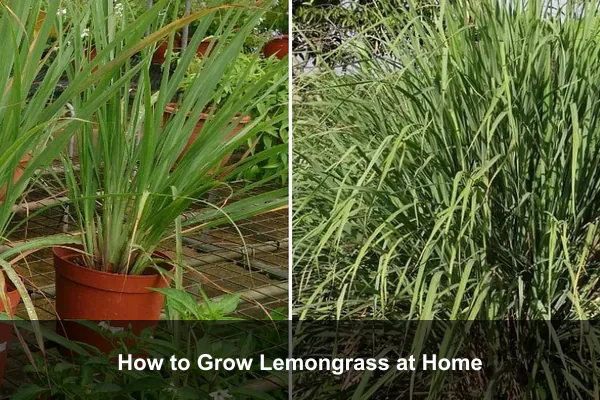
Lemongrass is easier to grow than many people expect, as long as you respect its tropical nature. It wants warmth, bright light, moisture, and good drainage. The plant grows quickly in summer and can be harvested repeatedly when it is established. In cold climates, the biggest challenge is winter protection.
Light Requirements
Lemongrass grows best in full sun. Outdoors, aim for at least six hours of direct sunlight per day. More light usually means stronger growth and thicker stalks. Indoors, lemongrass needs the brightest window available, preferably south- or west-facing in the Northern Hemisphere. If natural light is weak, a grow light can help, especially during winter.
Soil and Potting Mix
Use a fertile, well-draining soil or potting mix. Lemongrass likes moisture, but it does not like sitting in waterlogged soil. For containers, choose a pot with drainage holes and enough room for the clump to expand. A small starter plant can begin in a medium pot, but mature lemongrass performs better in a large container because the root system becomes dense and vigorous.
Watering Needs
Water lemongrass when the top layer of soil begins to dry. During hot weather, container plants may need water often because their roots dry faster than garden soil. The goal is evenly moist soil, not swampy soil. Yellowing leaves, mushy bases, or sour-smelling soil can signal overwatering or poor drainage. Dry, crispy tips can happen when the plant is thirsty, exposed to harsh wind, or grown in very dry indoor air.
Feeding and Growth
Because lemongrass is a fast-growing grass, it appreciates regular feeding during active growth. A balanced organic fertilizer, compost, or diluted liquid fertilizer can support stronger stalks. Avoid overfeeding in winter when growth naturally slows. If the plant is in a container, refresh the potting mix or divide the clump when it becomes crowded.
Temperature and Winter Care
Lemongrass is not frost-hardy. In tropical and subtropical areas, it can stay outdoors all year. In colder zones, bring potted plants indoors before frost or grow lemongrass as a summer annual. Cut back tall leaves before moving it inside if space is limited, but keep the crown healthy. Indoors, give it bright light, moderate water, and protection from cold drafts.
How to Harvest and Store Lemongrass
Harvesting is one of the most rewarding parts of growing lemongrass. The plant becomes more useful as it matures, and a healthy clump can produce multiple stalks over the season. Wait until stalks are thick enough to use before harvesting. Thin young shoots have less usable base and weaker flavor.
Harvesting Stalks
To harvest a stalk, choose an outer stem that is at least about pencil-thick or thicker near the base. Hold it near the soil line and twist gently, or cut it close to the base with a clean knife. Remove tough outer layers until you reach the pale, tender core. The lower portion is best for cooking, while the upper leaves can be saved for tea, broth, or drying.
- Choose a mature outer stalk rather than the newest central shoot.
- Cut or twist it close to the base without damaging the whole clump.
- Peel away dry or tough outer layers.
- Trim the root end and tough leaf tips.
- Use the pale lower stalk fresh, minced, bruised, or sliced.
Drying Lemongrass Leaves
The leaves can be dried for tea. Cut clean leaves into short pieces and dry them in a warm, airy place away from direct moisture. Once fully dry, store them in an airtight container. Dried lemongrass loses aroma over time, so use it within a few months for the best flavor. If it smells flat or dusty, it is time to replace it.
Freezing Fresh Stalks
Fresh stalks freeze well. Trim them, remove tough outer layers, and freeze whole pieces or sliced portions in a sealed container. Frozen lemongrass is especially useful for soups and curries because it keeps more aroma than old dried stalks. You can also blend tender stalks with a little water and freeze the paste in small portions for quick cooking.
Best Ways to Use Lemongrass
Lemongrass is versatile, but the key is preparation. The lower stalk can be fibrous, so it should be bruised and removed, sliced very thinly, or pounded into paste. The leaves are flavorful but tough, making them better for infusion than eating directly.
In Cooking
For soups, stews, and broths, bruise the stalk with the back of a knife and simmer it like a bay leaf. Remove it before serving. For curry paste, marinades, and stir-fries, use only the tender lower portion and mince it finely. Lemongrass pairs especially well with ginger, galangal, garlic, shallots, chili, lime leaves, coconut milk, basil, cilantro, and turmeric.
As Herbal Tea
To make a simple lemongrass tea, steep fresh sliced leaves or tender stalk pieces in hot water for several minutes. The result is caffeine-free, fragrant, and mild. You can combine it with ginger, mint, pandan, honey, or lime. Keep the drink moderate and avoid making extremely concentrated tea for daily long-term use.
In the Home and Garden
Lemongrass can be used as a fragrant patio plant, an edible container accent, or a sunny garden border. Some people grow it near seating areas because of its fresh scent. While lemongrass and related oils are often associated with insect-repellent products, the living plant should not be treated as a complete pest-control solution. Good sanitation, screens, proper drainage, and proven repellents are still needed where mosquitoes are a concern.
Safety, Side Effects, and Sensible Use
Lemongrass is commonly consumed as a food herb, but concentrated forms deserve caution. The safety profile of a small amount in soup is not the same as strong supplements or essential oil. Reputable medical references, including Memorial Sloan Kettering Cancer Center and Drugs.com, note that human clinical evidence is limited for many medicinal claims.
Food Amounts vs. Medicinal Amounts
Using lemongrass as a flavoring in food is generally different from using it in high-dose extracts. If you are pregnant, breastfeeding, managing kidney disease, taking medication, or preparing herbs for a child, ask a qualified healthcare professional before using lemongrass medicinally. People with allergies to grasses or fragrance ingredients should start cautiously.
Essential Oil Caution
Lemongrass essential oil is highly concentrated and should not be swallowed casually. It can irritate skin if used undiluted, and inhalation or topical use may bother sensitive people. If using essential oil for aroma, follow product directions, dilute properly for skin use, keep it away from eyes and mucous membranes, and store it out of reach of children and pets.
When to Avoid or Reduce Use
- Avoid medicinal use during pregnancy unless a clinician specifically approves it.
- Stop using lemongrass if you notice rash, itching, swelling, nausea, or breathing discomfort.
- Do not use lemongrass as a substitute for prescribed treatment.
- Be cautious with strong tea or extracts if you have kidney concerns.
- Keep essential oil separate from culinary lemongrass and label it clearly.
Common Growing Problems
Lemongrass is usually resilient, but problems can appear when conditions are too cold, too wet, too dark, or too cramped. The plant grows best when it has the space and warmth of an outdoor summer herb.
Yellow Leaves
Yellowing leaves may point to overwatering, poor drainage, low nutrients, cold stress, or natural aging of older leaves. Check the soil first. If it is soggy, improve drainage and reduce watering. If the plant is growing fast in summer and the pot is crowded, it may need feeding or division.
Brown Leaf Tips
Brown tips are common on grasses and do not always mean the plant is failing. Dry air, inconsistent watering, wind, salt buildup from fertilizer, or old leaves can all contribute. Trim unattractive tips with clean scissors and adjust care if the browning spreads quickly.
Weak or Thin Stalks
Thin stalks usually mean the plant needs more sun, more space, or more time. Lemongrass grown indoors often stays weaker than lemongrass grown outside in full summer sun. Move it to a brighter spot, use a larger pot, and feed lightly during active growth.
Buying, Propagating, and Dividing Lemongrass
You can start lemongrass from nursery plants, divisions, seeds, or fresh stalks from some grocery stores. The easiest method is buying a small plant or rooting fresh stalks that still have a firm base. Place the base in water until roots appear, then plant it into a pot with well-draining soil. Not every grocery stalk will root, especially if it is old or trimmed too closely, but fresh stalks often succeed.
Mature clumps can be divided when they become crowded. Lift the plant, separate healthy sections with roots attached, and replant them in fresh soil. Division refreshes growth and gives you new plants for other containers or garden beds. For practical guidance on growing conditions, gardeners can also compare notes from the University of Illinois Extension and the Royal Horticultural Society.
Conclusion
Lemongrass is one of the most useful herbs for people who want beauty and function in the same plant. It offers fresh citrus flavor, fragrant leaves, bold garden texture, and a steady harvest when grown in warm, sunny conditions. Its best benefits are practical: better homemade broths, brighter teas, aromatic patio containers, and a stronger connection between the garden and the kitchen.
The smartest approach is to enjoy lemongrass as a culinary and aromatic herb while staying realistic about health claims. Grow it in full sun, keep the soil moist but well drained, harvest mature stalks carefully, and use concentrated products with caution. With that balance, lemongrass becomes more than a decorative grass. It becomes a reliable herbal plant that brings flavor, fragrance, and everyday usefulness to the home garden.
