
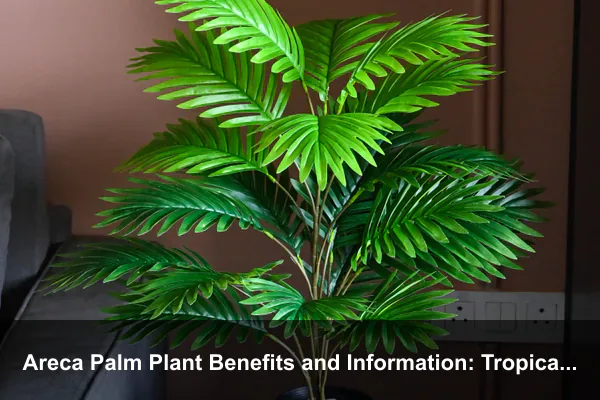
The Areca Palm is one of the most recognizable indoor palms, loved for its soft arching fronds, bright green color, and relaxed tropical look. When people search for Areca Palm plant benefits and information, they are usually looking for more than a decorative plant. They want to know whether this palm is useful for indoor comfort, how difficult it is to maintain, where it grows best, and whether it is suitable for homes with children or pets.
Known botanically as Dypsis lutescens, the Areca Palm is also called the butterfly palm, golden cane palm, or bamboo palm. Its clustered stems and feather-like leaves make rooms feel fresher without looking heavy or formal. Unlike many compact houseplants, Areca Palm creates height, movement, and a natural privacy effect, making it a practical choice for living rooms, patios, offices, and bright corners.
This guide covers the main benefits of Areca Palm, its care needs, safety profile, indoor placement tips, common problems, and practical growing advice. The goal is to help you decide whether this tropical plant belongs in your space and how to keep it healthy for the long term.
What Is an Areca Palm?
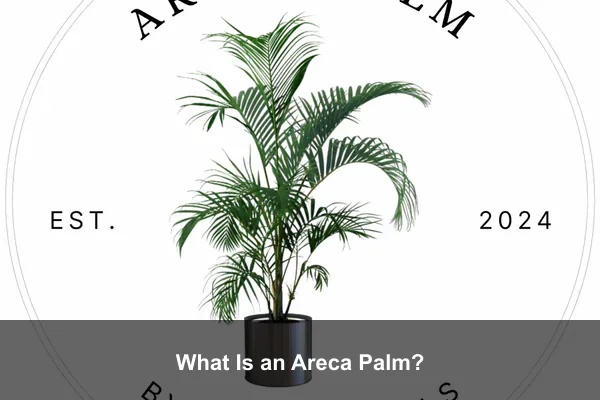
The Areca Palm is a tropical palm native to Madagascar, though it is now grown widely in warm regions and used around the world as an ornamental indoor and landscape plant. Its popularity comes from a combination of beauty and function. The plant grows in clumps, with multiple slender yellow-green stems that resemble bamboo canes. From these stems, long fronds spread outward in a graceful, fountain-like shape.
Indoors, Areca Palm usually grows between 5 and 8 feet tall, depending on pot size, light, humidity, and age. Outdoors in tropical climates, it can grow much taller. As a houseplant, it is valued because it brings a soft tropical structure without the stiff or sharp look of some other indoor trees.
Common Names and Botanical Identity
Areca Palm can be confusing because several palms are sold under similar names. The true commonly sold Areca Palm is Dypsis lutescens. It may appear in garden centers under these names:
- Butterfly palm, because the fronds spread like wings.
- Golden cane palm, because mature stems often show yellow or golden tones.
- Bamboo palm, because the clustered canes resemble bamboo stems.
- Areca palm, the most common name used by indoor plant sellers.
Knowing the botanical name is useful because care advice, toxicity information, and mature size can vary between palm species.
Key Areca Palm Plant Benefits
The benefits of Areca Palm are mostly connected to indoor comfort, natural beauty, and practical decoration. It is not a medicinal plant in the way many herbal plants are, but it offers everyday value as a living feature in the home.
1. Adds a Tropical, Relaxing Atmosphere
One of the clearest Areca Palm benefits is its ability to change the feeling of a room. Its feathery fronds soften hard lines from furniture, walls, windows, and electronics. This makes it especially useful in modern homes, apartments, waiting rooms, and workspaces where the atmosphere can feel too plain or rigid.
The plant creates a calm visual effect without needing flowers. For people who enjoy the broader idea of manfaat tanaman, or the everyday benefits of plants, Areca Palm is a strong example of how greenery can make a space feel more natural and welcoming.
2. Supports Indoor Humidity Comfort
Areca Palm has a high leaf surface area, which means it naturally releases moisture through transpiration. While it cannot replace a humidifier, it may help a dry room feel slightly more comfortable when grouped with other plants and watered correctly.
This benefit is especially appreciated in air-conditioned rooms, offices, and homes where dry air can make skin, eyes, or indoor plant leaves feel stressed. To increase the effect, place Areca Palm near other humidity-loving plants, use a pebble tray, or keep it in a bright bathroom with good airflow.
3. Creates Natural Privacy and Visual Screening
Because Areca Palm grows tall and full, it can work like a natural room divider. It is useful beside glass doors, balcony windows, reading corners, and open-plan living areas. Unlike a solid screen, its leaves filter the view while still allowing light to pass through.
This makes the plant practical for small spaces where furniture dividers may feel too bulky. A healthy Areca Palm can make a corner feel finished while adding privacy in a gentle, organic way.
4. Improves the Look of Large Empty Corners
Many indoor plants look too small in large rooms, but Areca Palm has enough height and volume to fill empty corners. It gives vertical interest without needing a complicated plant display. A single well-grown palm in a simple pot can become a strong design feature.
For best results, choose a pot that matches your interior style. Neutral ceramic pots give a clean modern look, woven baskets add warmth, and dark planters create contrast with the bright green fronds.
5. Pet-Friendly Compared with Many Decorative Plants
Areca Palm is generally considered non-toxic to cats and dogs, making it a popular choice for pet owners. This does not mean pets should chew it regularly, because any plant material can cause mild stomach upset if eaten in large amounts. However, it is a safer decorative option than many houseplants that are known to be toxic.
If your pet likes to dig or bite leaves, place the palm in a heavier pot, cover exposed soil with large decorative stones, and trim damaged fronds promptly.
Ideal Indoor Conditions for Areca Palm
Areca Palm is not the hardest houseplant, but it does need consistent conditions. Most problems happen when it receives too little light, too much direct sun, irregular watering, or very dry air.
Light Requirements
Areca Palm grows best in bright, indirect light. A spot near an east-facing window is often ideal. South or west-facing windows can work if filtered by sheer curtains. Direct afternoon sun may scorch the leaves, especially indoors where glass intensifies heat.
Signs of poor light include slow growth, thin fronds, dull color, and soil that stays wet too long. Signs of too much direct sun include yellow patches, dry brown tips, and faded leaves.
Watering Needs
Water Areca Palm when the top 1 to 2 inches of soil feel dry. The soil should stay lightly moist but never soggy. Overwatering is one of the most common causes of root problems.
A simple watering routine looks like this:
- Check the soil with your finger before watering.
- Water deeply until excess water drains from the bottom.
- Empty the saucer so roots do not sit in standing water.
- Wait until the top layer dries before watering again.
In warm, bright conditions, the plant may need water more often. In cooler rooms or during slower growth periods, reduce watering.
Humidity and Temperature
Areca Palm prefers moderate to high humidity. If the leaf tips turn brown even when watering is correct, dry air may be the reason. Keep the plant away from air-conditioner blasts, heaters, and cold drafts.
The best indoor temperature range is about 65 to 80 degrees Fahrenheit. Sudden temperature changes can stress the plant, so avoid placing it directly beside exterior doors that open frequently in cold weather.
Soil, Potting, and Feeding Guide
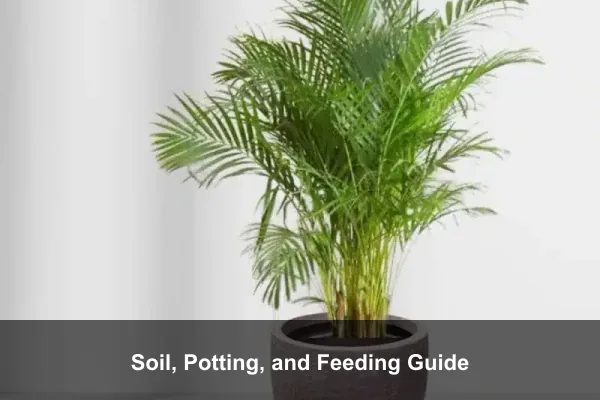
Healthy roots are the foundation of a healthy Areca Palm. The plant needs soil that holds some moisture but still drains well. Heavy garden soil is not suitable for indoor pots because it can compact and suffocate the roots.
Best Soil Mix
Use a high-quality indoor potting mix improved with drainage materials. A good blend may include:
- Regular potting mix for moisture retention.
- Perlite or pumice for aeration.
- Coco coir or peat moss for light moisture control.
- A small amount of compost for gentle nutrition.
The goal is a mix that feels loose, airy, and slightly moisture-retentive. If water sits on top for a long time, the mix is too dense.
Choosing the Right Pot
Always use a pot with drainage holes. Areca Palm dislikes sitting in water, and decorative pots without drainage can quickly create root rot. If you want to use a cover pot, keep the palm in a nursery pot inside it and remove excess water after watering.
Repot only when necessary, usually every two to three years. A pot that is too large can hold too much moisture, while a pot that is too small can restrict growth and dry out too quickly.
Fertilizing Areca Palm
Feed Areca Palm during the active growing season with a balanced liquid houseplant fertilizer diluted to half strength. Once a month in spring and summer is usually enough. Avoid over-fertilizing, because excess salts can burn roots and cause brown leaf tips.
If you notice white crust on the soil surface, flush the pot with clean water and allow it to drain thoroughly. This helps remove fertilizer buildup.
Areca Palm Care Problems and Solutions
Areca Palm often communicates stress through its leaves. Brown tips, yellowing fronds, and drooping growth are signals that something in the environment needs adjustment.
Brown Leaf Tips
Brown tips are common and can be caused by low humidity, underwatering, over-fertilizing, fluoride or mineral buildup in water, or cold drafts. Trim only the dry brown edges with clean scissors, following the natural shape of the leaf.
To reduce future browning, maintain consistent watering, use filtered or rainwater if your tap water is very hard, and keep the plant away from dry airflow.
Yellow Leaves
Yellowing can be normal when older fronds age, but widespread yellow leaves may point to overwatering, poor drainage, low light, or nutrient deficiency. Check the soil first. If it smells sour or stays wet for many days, root stress may be developing.
Move the plant to brighter indirect light and let the soil partially dry before watering again. If the pot has no drainage, repot immediately into a better container.
Pests
Areca Palm can attract spider mites, mealybugs, and scale insects, especially in dry indoor air. Inspect the undersides of leaves and stems regularly. Early pest control is much easier than treating a heavy infestation.
Practical pest steps include:
- Wipe leaves with a damp cloth to remove dust and pests.
- Rinse the fronds gently in the shower if the plant is movable.
- Use insecticidal soap or neem-based products according to label directions.
- Isolate affected plants until pests are controlled.
Best Places to Use Areca Palm at Home
Areca Palm is flexible, but placement matters. The right location should provide enough light, enough space for fronds to spread, and protection from harsh conditions.
Living Room Corners
A bright living room corner is one of the best places for Areca Palm. It adds height, fills unused space, and creates a relaxed backdrop for seating areas. Leave enough room around the plant so the fronds do not rub constantly against walls or furniture.
Home Offices
In a home office, Areca Palm can soften screens, shelves, and work surfaces. It also helps create a more pleasant visual environment during long work hours. Place it near a bright window but outside direct harsh sun.
Balconies and Patios
In warm climates, Areca Palm can grow well on shaded balconies and patios. It should be protected from strong wind and intense afternoon sun. Outdoor container palms may dry faster than indoor palms, so check soil moisture more often.
Areca Palm vs Other Popular Indoor Plants
Compared with many common indoor plants, Areca Palm has a more tropical and architectural presence. It is different from compact trailing plants, broad-leaf statement plants, and drought-tolerant succulents. This distinction helps avoid duplicating the role of other houseplants in your collection.
Choose Areca Palm if you want:
- A tall, soft-looking plant with movement.
- A pet-friendly decorative palm.
- A natural screen for windows or room corners.
- A tropical look without flowers.
- A plant that enjoys brighter, more humid rooms.
Choose a different plant if your space is very dark, extremely dry, or too narrow for spreading fronds. Areca Palm needs room to look its best.
Buying Tips for a Healthy Areca Palm
When buying an Areca Palm, do not choose only by height. A healthy medium-sized plant is better than a tall stressed plant. Look closely at the leaves, stems, and soil before purchasing.
What to Look For
- Bright green fronds with minimal brown tips.
- Firm stems without black, mushy, or collapsed areas.
- Soil that is slightly moist but not sour-smelling.
- No visible webbing, sticky residue, cottony pests, or scale bumps.
- Balanced growth on all sides of the pot.
What to Avoid
Avoid plants with many yellow fronds, wet heavy soil, severe leaf damage, or pests. Also avoid palms that are packed too tightly into tiny pots unless you are ready to repot and monitor them carefully.
Simple Long-Term Maintenance Routine
Areca Palm care becomes easier when you follow a consistent routine rather than reacting only when problems appear. A simple monthly rhythm keeps the plant looking clean and healthy.
- Weekly: Check soil moisture, rotate the pot slightly, and inspect leaves for pests.
- Every two weeks: Wipe dusty fronds with a soft damp cloth.
- Monthly in growing season: Feed lightly with diluted fertilizer.
- Every few months: Trim fully brown or dead fronds at the base.
- Every two to three years: Repot if roots are crowded or water runs through too quickly.
Do not remove too many green fronds at once. Palms rely on their leaves for energy, and heavy pruning can weaken the plant.
Conclusion
Areca Palm is a beautiful and practical choice for anyone who wants a tropical indoor plant with real everyday value. Its main benefits include visual softness, natural height, humidity support, pet-friendly appeal, and the ability to create privacy without blocking light. With bright indirect light, proper watering, well-draining soil, and moderate humidity, this palm can become a long-lasting feature in the home.
For readers searching for Areca Palm plant benefits and information, the key takeaway is simple: this plant is best for people who can offer light, space, and consistent care. It is not a set-and-forget plant, but it rewards attention with graceful growth and a fresh tropical atmosphere. Whether placed in a living room, office, balcony, or bright hallway, Areca Palm brings the natural benefits of plants into daily life in a way that feels calm, elegant, and useful.
