

Boston Fern is one of the few indoor plants that can make a room feel softer, cooler, and more alive without relying on bold flowers or oversized leaves. With its arching green fronds, fine leaflets, and naturally full shape, this classic fern brings a fresh woodland texture into homes, apartments, offices, patios, and shaded balconies. People often choose it for decoration, but the real value of Boston Fern plant benefits and information goes deeper than appearance: it supports a more comfortable indoor atmosphere, responds clearly to care conditions, and fits beautifully in humid spaces where many other houseplants struggle.
Known botanically as Nephrolepis exaltata ‘Bostoniensis’, the Boston Fern is a cultivated form of sword fern that became especially popular as a houseplant because of its graceful, cascading habit. In the context of manfaat tanaman, or plant benefits, it is best understood as a living humidity companion, visual stress softener, and natural design element rather than a miracle air purifier. This guide explains the benefits, care needs, safety notes, styling ideas, and troubleshooting tips that make Boston Fern different from common indoor foliage plants.
What Is a Boston Fern?
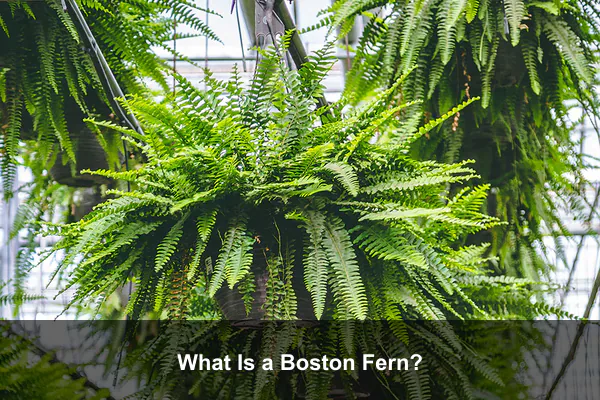
Boston Fern is a tropical and subtropical fern with long, feathery fronds that grow outward and downward from a central crown. Each frond is lined with many small leaflets, giving the plant a delicate texture that looks light but can become impressively full when conditions are right. Unlike plants with thick stems or waxy leaves, Boston Fern has a fine, moisture-loving structure. This is why it reacts quickly to dry air, strong sun, or missed watering.
Botanical Background
The plant belongs to the family Nephrolepidaceae and is related to other sword ferns. It does not produce showy flowers, seeds, or fruit in the way flowering houseplants do. Instead, ferns reproduce by spores in nature, though home growers usually multiply Boston Fern through division. Its appeal comes from foliage movement, texture, and volume. When placed in a hanging basket, pedestal pot, or high shelf, the fronds can spill over the edge and create a soft green curtain.
Why It Stands Apart From Other Houseplants
Many popular indoor plants are praised because they tolerate neglect, low light, or dry rooms. Boston Fern is different. Its strength is not toughness under poor care; its strength is how well it performs in the right microclimate. Give it bright indirect light, consistent moisture, and good humidity, and it rewards you with dense, fresh fronds. This makes it ideal for people who enjoy responsive plants and want a houseplant that visibly reflects the quality of its environment.
Boston Fern Plant Benefits for Indoor Spaces
The most meaningful Boston Fern plant benefits are connected to indoor comfort, natural beauty, and environmental awareness. It is not a plant to treat as a set-and-forget decoration. Instead, it works best as a living part of a room, especially in areas where moisture, shade, and calm texture are welcome.
Supports a More Comfortable Humidity Feel
Boston Fern prefers humidity levels that are often higher than the average dry indoor room. Through normal plant transpiration, it releases moisture from its fronds into the surrounding air. One fern will not transform a dry home into a tropical greenhouse, but a healthy Boston Fern can contribute to a slightly fresher, less harsh feeling in its immediate area, especially when grouped with other moisture-loving plants.
This benefit is most noticeable in small zones such as a bright bathroom, laundry area, plant shelf, or reading corner. If your fern constantly develops brown tips, crispy edges, and shedding leaflets, it may be signaling that the air is too dry. In that sense, Boston Fern acts like a natural humidity indicator.
Adds Calm, Layered Green Texture
Interior spaces often contain hard lines: desks, screens, cabinets, tiles, windows, and walls. Boston Fern softens those edges. Its arching fronds create movement and visual rhythm without dominating the room. This is a different ornamental value from broad-leaf plants like Monstera or Fiddle Leaf Fig. Boston Fern does not demand attention through size alone; it improves a space through texture, repetition, and freshness.
May Help With Indoor Air Quality in a Limited Way
Boston Fern is often mentioned in discussions about air-purifying plants. Under controlled research conditions, some houseplants have shown an ability to absorb certain airborne compounds. However, in ordinary homes, the practical air-cleaning effect of one or two plants is limited compared with ventilation, source control, and regular cleaning. The honest benefit is more modest: Boston Fern contributes to a greener indoor environment and may support air freshness in combination with good airflow and healthy home habits.
Encourages Better Plant Care Awareness
Because Boston Fern responds quickly to its surroundings, it teaches useful plant care skills. You learn to check soil moisture, observe light direction, notice dry air, rotate pots, and prune old fronds. For beginners who want to become more attentive growers, this plant can be a practical teacher. Its feedback is visible, and problems are usually correctable if caught early.
- Best benefit: creating a lush, humid, fresh-looking indoor corner.
- Best personality: responsive, graceful, and moisture-loving.
- Best user: someone willing to water consistently and watch humidity.
- Best room mood: calm, natural, shaded, and relaxed.
Best Places to Grow Boston Fern Indoors

Placement is one of the most important parts of Boston Fern care. The right spot can make the plant look effortless, while the wrong spot can lead to shedding, browning, and weak growth. Think of Boston Fern as a plant for bright shade, gentle warmth, and steady moisture.
Bathrooms With Natural Light
A bathroom with a window can be one of the best locations for a Boston Fern. Showers and baths temporarily raise humidity, which helps the fronds stay flexible and green. The plant also adds a spa-like atmosphere without needing flowers or fragrance. The key is light. A dark bathroom with no window is not suitable unless you use a grow light.
Kitchens and Laundry Areas
Kitchens and laundry rooms often have slightly higher humidity than bedrooms or living rooms. If there is bright indirect light, a Boston Fern can grow well on a shelf, plant stand, or hanging hook. Keep it away from direct heat, oven blasts, air conditioner vents, and oily cooking residue. Good air movement is helpful, but harsh drafts can dry the fronds.
Living Rooms, Offices, and Shaded Patios
In a living room or office, place Boston Fern near an east-facing window, a filtered south-facing window, or several feet back from bright glass. Outdoors, it can do well on a shaded porch or balcony where it receives morning light and protection from hot afternoon sun. Hanging baskets are especially effective because they show off the plant’s natural arching shape.
Boston Fern Care Requirements
Boston Fern care is not difficult, but it does require consistency. The plant dislikes extremes: bone-dry soil, soggy stagnant roots, harsh sun, cold drafts, and very dry air. When you balance these factors, the plant grows steadily and can remain attractive for years.
Light
Give Boston Fern bright, indirect light. Morning sun can be acceptable if it is gentle, but strong afternoon sun can scorch the fronds. If the plant looks pale, thin, or stretched, it may need more light. If the fronds turn dry and bleached, the light may be too intense.
Watering
Keep the soil evenly moist but not waterlogged. Water when the top layer begins to feel slightly dry, then let excess water drain fully. Boston Fern does not like sitting in a saucer of water for long periods. In warm weather, hanging baskets may dry faster and need more frequent watering. In cooler months, growth slows and watering should be reduced slightly.
- Touch the top of the potting mix before watering.
- Water thoroughly until moisture reaches the root zone.
- Empty excess water from the saucer after drainage.
- Check hanging baskets more often because airflow dries them quickly.
Humidity
Humidity is where Boston Fern differs from many low-maintenance plants. Aim for moderate to high humidity, ideally around 50 percent or more. If your home is dry, use a humidifier, place plants together, set the pot on a pebble tray with water below the pot base, or choose a naturally humid room. Misting can freshen the fronds briefly, but it is not a complete solution for dry air.
Soil and Potting Mix
Use a loose, moisture-retentive potting mix that still drains well. A good mix may include coco coir or peat, perlite, fine bark, and compost-like organic matter. The goal is to hold enough moisture for fern roots while preventing dense, sour soil. A pot with drainage holes is essential.
Temperature and Airflow
Boston Fern prefers mild indoor temperatures, roughly 60 to 75 F or 16 to 24 C. Avoid placing it near heaters, fireplaces, cold windows, or air conditioning vents. Gentle airflow helps reduce fungal problems, but strong dry airflow can cause browning and leaflet drop.
Feeding
Feed lightly during active growth in spring and summer. A balanced liquid fertilizer diluted to half strength once a month is usually enough. Overfeeding can burn delicate roots and cause brown tips. In fall and winter, reduce or pause fertilizer unless the plant is actively growing under strong light.
Common Boston Fern Problems and What They Mean
Boston Fern problems usually show up in the fronds first. The good news is that the plant gives clear signals. Instead of guessing, read the pattern: crispy tips often point to dry air or inconsistent watering, while yellowing and mushy soil suggest overwatering or poor drainage.
Brown Tips and Crispy Fronds
Brown tips are most often caused by low humidity, dry soil, too much fertilizer, or harsh light. Trim damaged ends if they bother you, but also correct the condition. Move the fern away from direct sun, water more consistently, and improve humidity around the plant.
Yellow Leaves
Yellowing fronds can happen when the plant is overwatered, underwatered, aging naturally, or receiving poor light. Check the soil first. If it is soggy and smells unpleasant, drainage may be the problem. If it is dry and pulling away from the pot edge, the fern needs a deeper watering routine.
Leaflet Drop
Small leaflets dropping from the fronds usually mean stress from dryness, relocation, or sudden temperature change. Boston Ferns can shed after being moved from a greenhouse to a home because the humidity changes quickly. Give the plant time, prune the worst fronds, and stabilize the environment.
Pests
Boston Fern can attract spider mites, mealybugs, scale, or fungus gnats, especially when stressed. Inspect the underside of fronds and the crown. A gentle shower, insecticidal soap, or careful removal can help with early infestations. Keep the plant clean and avoid letting dead fronds build up in the pot.
- Crispy brown edges: usually dry air, underwatering, or excess fertilizer.
- Soft yellow fronds: often too much water or poor drainage.
- Pale weak growth: likely insufficient light or depleted nutrients.
- Sudden shedding: often environmental shock or very dry air.
Safety, Pets, and Responsible Use
Boston Fern is widely regarded as a pet-friendly houseplant and is commonly chosen for homes with cats or dogs. This is an advantage over many ornamental plants that contain irritating sap or toxic compounds. Still, pet-friendly does not mean edible. Chewing large amounts of any houseplant can cause stomach upset, and damaged fronds make the plant look thin. Place the fern where pets are unlikely to play with it, especially if the fronds hang at eye level.
Know the Difference Between True Ferns and Look-Alikes
One important safety detail is plant identification. Boston Fern is a true fern, but some plants with fern in their common name are not true ferns. For example, asparagus fern is a different plant and can be toxic to pets. When buying, check the botanical name and choose Nephrolepis exaltata or a clearly labeled Boston Fern cultivar.
Allergy and Cleanliness Notes
Boston Fern does not have strong fragrance, which makes it suitable for people who dislike scented plants. However, its dense foliage can collect dust and old leaflets. Rinse the fronds gently from time to time and remove dead material from the pot surface. This keeps the plant healthier and the surrounding area cleaner.
How to Choose a Healthy Boston Fern
A good start makes care easier. When shopping for a Boston Fern, do not choose only the largest plant. Look for balanced growth, fresh green fronds, and a firm crown. Avoid plants with a sour smell, heavy pest presence, black mushy areas, or severe browning throughout the basket.
Buying Checklist
- Choose a plant with full growth from the center, not only long outer fronds.
- Check the underside of fronds for pests or sticky residue.
- Lift the pot to feel whether it is extremely dry or waterlogged.
- Look for flexible green fronds rather than brittle, grayish foliage.
- Confirm the plant label if pet safety is important in your home.
After bringing it home, expect a short adjustment period. The fern may lose a few leaflets as it adapts to lower humidity or different light. Avoid repotting immediately unless the plant is severely root-bound or the soil is clearly unhealthy. Let it settle for one to two weeks in a suitable location.
Pruning, Propagation, and Long-Term Styling
Boston Fern can look elegant for a long time if you groom it regularly. Old fronds naturally age and should be removed at the base. This improves airflow and encourages new growth from the crown. Use clean scissors and avoid cutting healthy green fronds unless you are shaping the plant.
Propagation by Division
The simplest way to propagate Boston Fern is division. When the plant becomes crowded, remove it from the pot and gently separate the root mass into sections, making sure each section has roots and healthy crowns. Pot each division into fresh, airy mix and keep it evenly moist while new growth develops.
Container and Styling Ideas
Boston Fern is especially attractive in hanging baskets, footed planters, wall brackets, and simple ceramic pots. Because its fronds are visually detailed, the container should not compete too much. Neutral, terracotta, matte white, charcoal, or natural fiber planters usually work well. For a more tropical look, combine it with humidity-loving companions such as bird’s nest fern, maidenhair fern, or fittonia, while leaving enough space for airflow.
Seasonal Care Adjustments
In spring and summer, the plant may grow quickly and need more water. In winter, indoor heating can dry the air even though the plant is growing more slowly. This means you may water less often but focus more on humidity. Seasonal observation is better than a fixed schedule.
Boston Fern Plant Benefits and Information for Different Homes
The best use of Boston Fern depends on your living situation. In a small apartment, it can create vertical greenery without taking up floor space. In a bathroom, it can turn unused window space into a fresh focal point. In a home office, it can soften the visual weight of screens and shelves. On a shaded porch, it can create a classic, welcoming look.
For busy owners, Boston Fern is manageable if placed where watering is easy and visible. A fern hidden in a hard-to-reach corner often dries out. A fern near a sink, bathroom window, or daily walking path is easier to maintain. Good placement is not only about plant science; it is also about human habits.
Who Should Choose Boston Fern?
- People who like lush, soft, traditional houseplants.
- Homes with bright bathrooms, shaded balconies, or humid corners.
- Plant owners who enjoy regular watering and grooming.
- Pet owners who want a non-toxic decorative option.
- Interior decorators looking for texture instead of large statement leaves.
Who May Prefer Another Plant?
If your home is very dry, dark, or you travel often, Boston Fern may need more care than you want to provide. In that case, a drought-tolerant plant may be more practical. Boston Fern is not the best choice for people who want to water once every few weeks and ignore humidity. Its beauty comes from consistency.
Conclusion
Boston Fern plant benefits and information are best understood through the plant’s love of moisture, softness, and steady care. It offers more than decoration: it brings calming texture, supports a fresher-feeling microclimate, helps growers read indoor conditions, and suits bathrooms, kitchens, shaded patios, and gentle living spaces. Its benefits are realistic and practical, not exaggerated.
To grow Boston Fern successfully, focus on bright indirect light, evenly moist soil, good drainage, moderate to high humidity, and regular pruning. Treat it as a responsive living plant rather than a low-care ornament, and it can become one of the most rewarding foliage plants in your home. With the right placement and routine, this classic fern delivers a distinctive kind of indoor wellness: quiet, green, humid, and beautifully alive.
