
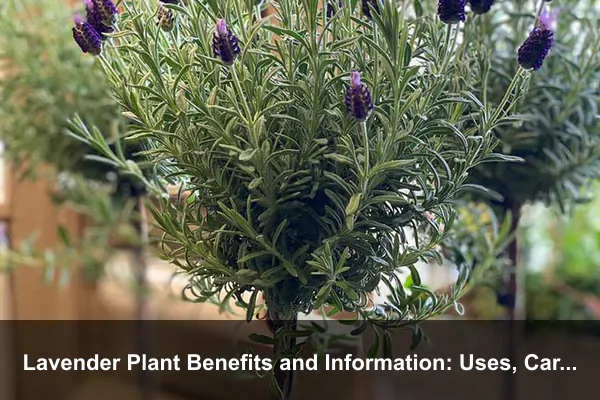
Lavender is one of the most recognizable herbal plants in the world, loved for its purple flower spikes, clean floral scent, and practical value in gardens, homes, and natural living routines. Unlike many popular foliage houseplants, lavender is not mainly grown for broad leaves or indoor decoration. It is a sun-loving Mediterranean herb with aromatic flowers, silvery-green foliage, and a long history of use in fragrance, cooking, traditional wellness, and pollinator-friendly planting.
This guide to Lavender plant benefits and information takes a distinct look at the plant as a useful flowering herb rather than just a decorative plant. You will learn what lavender is, why people grow it, which benefits are realistic, how to care for it, how to harvest it, and what safety points matter before using lavender flowers or essential oil. Whether you want a fragrant border, a balcony herb, a low-water garden plant, or dried lavender for simple home uses, this article gives you a complete and practical starting point.
What Makes the Lavender Plant Special?
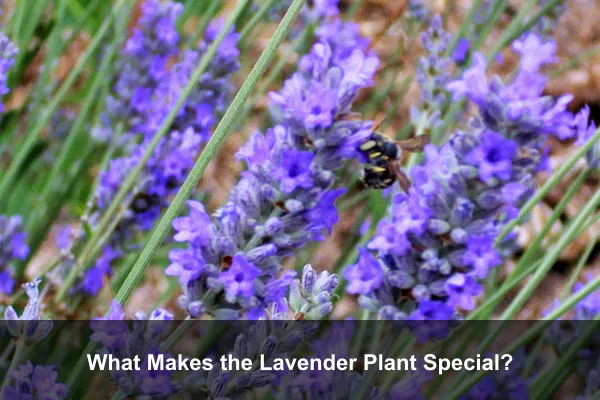
Lavender belongs to the Lavandula genus, a group of aromatic plants in the mint family. Most lavender varieties are evergreen or semi-evergreen perennials in suitable climates, meaning they can live for several years when planted in the right conditions. The plant is best known for narrow gray-green leaves, upright flower stems, and small blossoms that range from soft lilac to deep violet, though some varieties may bloom pink or white.
The most important thing to understand about lavender is that it is adapted to bright sun, lean soil, and good drainage. It does not behave like a tropical houseplant. In its natural Mediterranean-style environment, lavender handles dry air, warm days, and rocky soil better than heavy moisture or shade. This is why many lavender problems come from too much water, compact soil, or humid conditions rather than neglect.
Basic Botanical Information
Lavender is commonly grown as an herb, ornamental flower, and fragrant landscape plant. Depending on the variety, mature plants may stay compact at around 12 inches tall or grow into rounded shrubs more than 3 feet high. The flowers appear on spikes above the foliage, making them easy to harvest and attractive to bees and butterflies.
- Botanical genus: Lavandula
- Plant type: Flowering herb, perennial shrub in suitable climates
- Main features: Fragrant foliage, purple flower spikes, drought tolerance
- Best light: Full sun
- Best soil: Well-draining, slightly alkaline to neutral soil
- Common uses: Garden borders, dried flowers, fragrance, culinary herbs, pollinator support
A Plant With Fragrance, Function, and Beauty
Lavender is valuable because it offers several benefits at once. It looks elegant in flower beds, smells pleasant when brushed or harvested, and can be dried for sachets, wreaths, bath blends, or simple home fragrance. In the garden, it also supports beneficial insects. This combination of beauty and usefulness is the reason lavender remains popular in herbal gardens, cottage gardens, and low-water landscapes.
Key Lavender Plant Benefits
The benefits of lavender are often described in broad and sometimes exaggerated ways. A practical view is more useful: lavender can support relaxation through scent, improve garden biodiversity, provide aromatic material for home projects, and serve as a flavorful culinary herb when the correct type is used. It is not a cure-all, but it is genuinely versatile.
1. Naturally Calming Fragrance
One of the most famous lavender plant benefits is its soothing aroma. Many people associate lavender scent with rest, clean linens, spas, and evening routines. The fragrance comes from aromatic compounds stored in the plant’s leaves and flowers. Dried lavender buds can be placed in small sachets, added to drawers, or used in homemade potpourri for a gentle natural scent.
Lavender fragrance may help create a calmer atmosphere, especially when used as part of a bedtime or relaxation ritual. However, it is best to describe this as a sensory and lifestyle benefit rather than a guaranteed medical effect. People respond to scents differently, and essential oils should always be used carefully.
2. Supports Bees, Butterflies, and Beneficial Insects
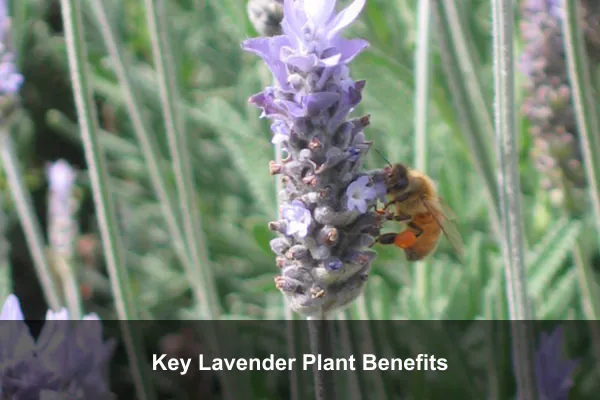
Lavender flowers are highly attractive to pollinators. When the plant blooms, bees often visit the flower spikes throughout the day. Butterflies and other beneficial insects may also use lavender as a nectar source. This makes lavender useful for gardeners who want more life and movement in their outdoor spaces.
For a pollinator-friendly planting, lavender works well near rosemary, thyme, salvia, echinacea, yarrow, and other sun-loving plants. Avoid spraying pesticides on blooming lavender because the flowers are precisely what attract helpful insects.
3. A Low-Water Choice for Sunny Gardens
Once established, lavender is relatively drought tolerant compared with many ornamental flowers. It is a good choice for dry borders, gravel gardens, raised beds, and areas where water conservation matters. This does not mean newly planted lavender can be ignored; young plants need consistent moisture while roots develop. After establishment, the plant usually prefers deep but infrequent watering.
This benefit is especially relevant for gardeners who want attractive plants without creating a high-maintenance watering schedule. Lavender rewards the right location more than constant attention.
4. Useful for Dried Flowers and Home Fragrance
Lavender is one of the easiest herbs to dry. Harvested flower stems can be tied in small bundles and hung upside down in a dry, shaded, airy place. Once dry, the buds can be stored in jars or cloth bags. This makes lavender a practical plant for simple home uses without needing complicated processing.
- Place dried buds in fabric sachets for closets or drawers.
- Add dried stems to wreaths or floral arrangements.
- Use buds in homemade bath salts if your skin tolerates them.
- Combine dried lavender with dried citrus peel, rosemary, or rose petals for potpourri.
- Keep dried flowers in a bowl as a natural decorative fragrance.
5. Culinary Value When the Right Lavender Is Used
Some lavender varieties are used in food and drinks, especially Lavandula angustifolia, often called English lavender. Its flavor is floral, slightly sweet, and herbal. It can be used in small amounts for teas, syrups, baked goods, honey, lemonade, or herb blends. The key is moderation. Too much lavender can taste bitter or perfume-like.
Only use lavender for culinary purposes if it is grown without unsafe pesticides and clearly identified as an edible type. Lavender sold as ornamental nursery stock may not be intended for food use unless labeled accordingly.
Popular Types of Lavender and How to Choose
Choosing the right lavender variety matters because different types handle climate, humidity, cold, and culinary use differently. The name lavender is often used casually, but several species and hybrids are common in gardens.
English Lavender
Lavandula angustifolia, known as English lavender, is one of the most popular types for fragrance, dried flowers, and culinary use. It usually has a sweeter, softer aroma than many other types. It is also more cold tolerant than some lavender species, making it a good choice for temperate gardens with chilly winters.
English lavender is often recommended for beginners who want a compact, classic lavender plant. Popular cultivars may include varieties with deep purple flowers, pale blooms, or dwarf growth habits. It is a strong option for borders, containers, and herb gardens.
French and Spanish Lavender
French and Spanish lavenders are often recognized by showier flower heads and decorative bracts, sometimes described as little flags or ears above the bloom. These types can be very ornamental and perform well in warmer climates. They may not be as cold hardy as English lavender, so they are better suited to mild winter regions or container growing where protection is possible.
These lavenders are excellent when the main goal is visual impact and fragrance in a warm, sunny garden. They are not always the best first choice for cooking.
Lavandin
Lavandin is a hybrid lavender, often listed as Lavandula x intermedia. It tends to be larger, vigorous, and strongly fragrant. Many commercial lavender fields use lavandin for essential oil and dried bundles because the plants produce abundant flower stems.
Lavandin can be excellent for landscapes and fragrance projects, but its sharper camphor-like scent may be less suitable for delicate culinary uses. If your main goal is cooking, English lavender is usually the safer choice.
How to Grow Lavender Successfully
Lavender care is simple when the environment is right and frustrating when the plant is placed in the wrong conditions. The basic rule is easy to remember: give lavender sun, air, and drainage. Most failures happen when lavender is treated like a moisture-loving plant.
Light Requirements
Lavender needs full sun to grow compactly and bloom well. Aim for at least 6 hours of direct sunlight daily, with 8 hours being even better. In partial shade, the plant may become leggy, produce fewer flowers, and stay damp longer after rain. If you are growing lavender on a balcony, choose the brightest exposure available.
Soil and Drainage
Good drainage is the foundation of lavender health. Heavy clay soil holds too much moisture around the roots, increasing the risk of rot. If your garden soil is dense, consider planting lavender in raised beds, mounds, or containers filled with a gritty, fast-draining mix.
Lavender usually prefers soil that is not overly rich. Too much fertilizer can produce soft leafy growth with fewer flowers and weaker fragrance. A slightly alkaline to neutral soil is often ideal, though exact needs vary by region and variety.
Watering Lavender
Water newly planted lavender regularly until it becomes established. After that, reduce watering and allow the soil to dry between sessions. In containers, check moisture more often because pots dry faster than garden beds, but never let the plant sit in a saucer of water.
- Water deeply after planting to settle soil around the roots.
- Check the top few inches of soil before watering again.
- Water at the base of the plant rather than over the foliage.
- Reduce watering during cool or rainy weather.
- Increase attention during extreme heat, especially for container plants.
Pruning for Shape and Longevity
Lavender benefits from regular pruning because it can become woody over time. Light pruning after flowering helps keep the plant rounded and encourages fresh growth. Avoid cutting deeply into old bare wood because lavender may not regrow well from it.
A good approach is to remove spent flower stems and lightly trim the green growth, shaping the plant without stripping it. In many climates, a more careful spring trim helps remove winter damage and prepare the plant for new growth.
Growing Lavender in Containers
Lavender can grow well in pots if the container has drainage holes and receives strong sunlight. Terracotta pots are useful because they allow moisture to evaporate more quickly than plastic. Use a light, gritty potting mix rather than dense garden soil.
Container lavender is ideal for patios, balconies, and small spaces, but it needs more frequent monitoring than in-ground lavender. The roots cannot search for moisture or insulation beyond the pot, so watering and winter protection may need adjustment.
Harvesting and Using Lavender at Home
Harvesting lavender is one of the most satisfying parts of growing the plant. The best time depends on your purpose. For dried bundles, harvest when many buds have formed but not all flowers are fully open. For fresh decoration, you can cut stems when the flowers look attractive. For culinary use, harvest clean flowers from plants you know are safe and untreated.
How to Harvest Lavender
Use clean scissors or pruning shears and cut stems in the morning after dew has dried. Gather small bundles rather than thick bunches, because good airflow helps the stems dry evenly. Tie the stems loosely and hang them upside down in a shaded, dry place. Direct sun can fade the color and weaken the fragrance.
Once fully dry, gently strip the buds from the stems if you want loose lavender. Store dried lavender in an airtight container away from heat, light, and moisture.
Simple Ways to Use Dried Lavender
Dried lavender is useful for home fragrance, crafts, and gentle lifestyle routines. Keep uses simple and avoid assuming that more is better. Lavender has a strong aroma, and small amounts often work best.
- Closet sachets: Fill small cloth bags with dried buds and place them in drawers.
- Relaxing tea blend: Use culinary lavender sparingly with chamomile, mint, or lemon balm.
- Bath blend: Add dried buds to a muslin bag so plant pieces do not clog drains.
- Infused sugar: Store a small amount of culinary lavender with sugar, then sift before use.
- Homemade gifts: Use dried stems in small bouquets, wreaths, or natural decor.
Using Lavender Essential Oil Carefully
Lavender essential oil is much more concentrated than the plant itself. It should not be treated the same way as fresh or dried flowers. Essential oil should generally be diluted before skin use, kept away from eyes and mucous membranes, and stored out of reach of children and pets. Do not ingest essential oils unless guided by a qualified professional.
If you are new to lavender, dried flowers are often a gentler and more beginner-friendly way to enjoy the scent than essential oil.
Safety, Side Effects, and Practical Precautions
Lavender is widely used, but natural does not automatically mean risk-free. Responsible use is part of good plant knowledge. Most people can enjoy lavender as a garden plant and home fragrance, yet some individuals may be sensitive to its scent, pollen, or concentrated oil.
Skin and Allergy Considerations
Some people may experience irritation from lavender essential oil or fragranced products. If using a lavender product on skin, patch testing is a sensible precaution. Stop use if redness, itching, headache, nausea, or breathing discomfort occurs. People with fragrance sensitivity may prefer growing lavender outdoors rather than keeping strong dried bundles in bedrooms or small rooms.
Children, Pregnancy, and Medical Conditions
Pregnant or breastfeeding individuals, young children, and people with medical conditions should be cautious with concentrated lavender products. Garden plants and mild scent exposure are different from frequent essential oil use. When in doubt, ask a qualified healthcare professional, especially before using lavender products for wellness purposes.
Pets and Lavender
Lavender plants may cause stomach upset if pets chew large amounts, and essential oils can be risky for animals, especially cats and small pets. Keep oils and strong preparations away from pets. If you grow lavender outdoors, monitor curious animals and discourage chewing.
Culinary Safety
For food and drinks, use only culinary-grade lavender from a reliable source or plants you have grown without unsafe chemicals. Avoid using florist lavender, craft lavender, or ornamental plants of unknown treatment history in recipes. Use a light hand because lavender flavor can quickly become overpowering.
Common Lavender Problems and How to Fix Them
Lavender is often described as low maintenance, but it has specific needs. When those needs are ignored, the plant can decline quickly. The good news is that most lavender problems have clear causes.
Root Rot
Root rot is the most common lavender problem. Symptoms may include wilting despite moist soil, yellowing leaves, blackened stems near the base, and a general collapsed appearance. The cause is usually poor drainage or overwatering. To prevent it, plant lavender in fast-draining soil, avoid frequent watering, and never leave potted lavender sitting in water.
Few or No Flowers
If lavender is not blooming, the plant may not be getting enough sun. Excess fertilizer can also encourage leafy growth instead of flowers. Move container plants to brighter light, reduce feeding, and prune properly after flowering. Some young plants also need time to mature before producing heavy blooms.
Woody, Leggy Growth
Lavender naturally becomes woodier with age, but lack of pruning can make the plant open and unattractive. Trim lightly each year while keeping cuts within green growth. Replacing very old, woody plants may be more practical than trying to restore them completely.
Humidity Stress
In humid climates, lavender may struggle because moisture lingers around the foliage and roots. Improve spacing between plants, avoid overhead watering, and choose varieties known to handle your region better. Raised beds and gravel mulch can help keep the crown drier.
Best Garden Uses for Lavender
Lavender is flexible in design, but it looks best where its texture, color, and fragrance can be appreciated. It can be planted along paths so people brush the leaves and release the scent, used in herb gardens near rosemary and thyme, or grouped in sunny borders for repeated purple blooms.
Lavender Along Walkways
Planting lavender near paths is a classic choice. The low mounded shape softens edges, and the fragrance becomes noticeable when leaves are touched. Keep enough space between plants and the walking surface so stems do not become damaged.
Lavender in Herb Gardens
Lavender pairs well with Mediterranean herbs that like similar conditions. Rosemary, sage, oregano, marjoram, and thyme all prefer sun and drainage. This makes maintenance easier because the plants share similar watering needs.
Lavender for Small Spaces
Compact lavender varieties work well in containers, balcony gardens, and small patios. Choose a pot large enough for root growth and place it where the plant receives direct sun. A single healthy lavender plant in a terracotta pot can provide flowers, fragrance, and pollinator value without taking much room.
Lavender Plant Benefits and Information for Beginners
For beginners, the most important lavender plant benefits and information can be summarized in one practical idea: lavender is easy when you copy its natural preferences. It wants sun, drainage, airflow, and moderate care. It does not want soggy soil, heavy feeding, deep shade, or constant fussing.
If you are buying your first lavender plant, start with one healthy specimen rather than planting many at once. Observe how it responds to your light, soil, and watering habits. If it grows well, you can add more plants later and even experiment with different varieties.
Beginner Checklist
- Choose a lavender type suited to your climate.
- Plant it where it receives at least 6 hours of direct sun.
- Use well-draining soil or a gritty container mix.
- Water regularly only while the plant is establishing.
- Prune lightly after flowering to maintain shape.
- Harvest clean flowers for drying when buds are partly open.
- Use essential oil cautiously and keep it away from pets and children.
Conclusion
Lavender is more than a pretty purple flower. It is a fragrant herbal plant with real value for gardens, pollinators, home fragrance, dried flower crafts, and careful culinary use. Its benefits are strongest when understood realistically: lavender can make outdoor spaces more beautiful, support beneficial insects, provide aromatic harvests, and help create a calmer sensory environment, but it should be used responsibly and not treated as a medical cure.
The key to growing lavender successfully is matching the plant to the right conditions. Give it full sun, excellent drainage, good airflow, and restrained watering. Choose English lavender for classic fragrance and culinary potential, French or Spanish lavender for ornamental warmth-loving displays, and lavandin for strong scent and abundant stems. With the right approach, lavender can become one of the most rewarding herbal plants in a sunny garden, balcony, or small landscape.
