
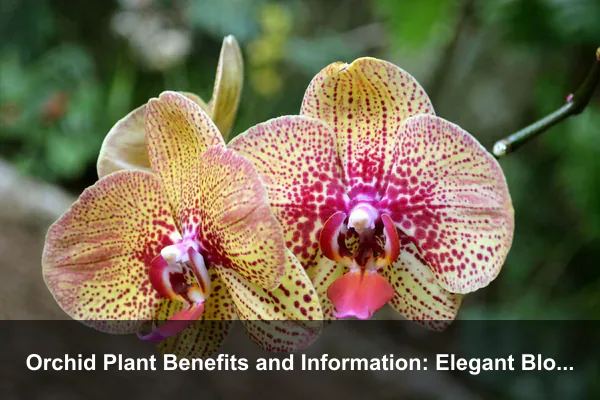
Orchids are among the most admired flowering plants in the world, known for their long-lasting blooms, graceful shapes, and ability to make a room feel refined without taking much space. When people search for orchid plant benefits and information, they often want more than a pretty flower. They want to know whether orchids are good indoor plants, how they support home comfort, what they symbolize, and how to keep them blooming again.
Unlike many leafy houseplants, orchids offer a unique mix of visual beauty, compact growth, and seasonal reward. Their benefits are mostly ornamental, emotional, and practical: they brighten interiors, encourage mindful care routines, fit small spaces, and can live for years when their basic needs are understood. This guide focuses on orchids as flowering indoor plants, giving you useful information without exaggerating their effects or repeating general houseplant advice.
What Makes the Orchid Plant Special?
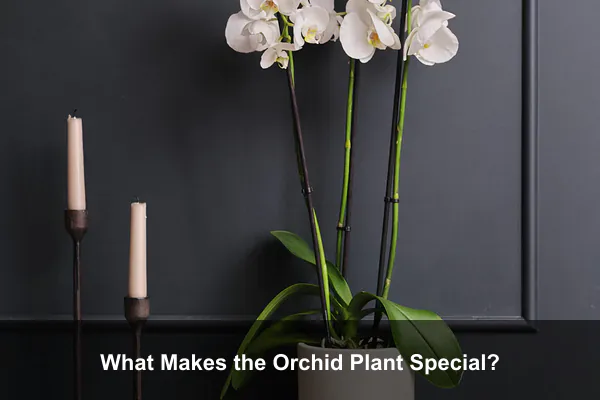
The orchid family is one of the largest plant families on earth, with thousands of species and many cultivated hybrids. Most orchids sold for homes are not grown in regular garden soil. Many popular types are epiphytic, meaning they naturally grow attached to trees in tropical environments, using their roots to cling to bark and absorb moisture from the air and rain.
This growth habit explains why orchid care is different from caring for common potted plants. Orchids need airflow around their roots, bright but indirect light, and careful watering. Once you understand this, orchids become less mysterious and much easier to enjoy.
Popular Orchid Types for Homes
The most common orchid for beginners is the Phalaenopsis orchid, often called the moth orchid. It is widely available, blooms for weeks or even months, and adapts well to indoor conditions. Other popular types include Dendrobium, Cattleya, Oncidium, and Cymbidium, each with different flower shapes, colors, and care preferences.
- Phalaenopsis: Best beginner choice, ideal for windowsills and desks.
- Dendrobium: Elegant canes and colorful blooms, often needing brighter light.
- Cattleya: Known for large, fragrant flowers and classic corsage-style blooms.
- Oncidium: Produces many small flowers, often called dancing lady orchids.
- Cymbidium: Cooler-growing orchid with dramatic flower spikes.
Key Orchid Plant Benefits for Indoor Spaces
The benefits of orchid plants are different from herbs, medicinal plants, or leafy air-purifying houseplants. Orchids are mainly valued for beauty, atmosphere, mood support, and interior design flexibility. Their flowers can create a calm focal point in a home, office, reception area, bedroom, or reading corner.
Long-Lasting Natural Decoration
One of the biggest orchid plant benefits is the longevity of the flowers. A healthy Phalaenopsis orchid can bloom for several weeks, sometimes longer than cut flowers by a wide margin. This makes orchids a practical decorative plant for people who want living beauty without replacing floral arrangements every few days.
Supports a Calm and Mindful Routine
Caring for orchids can encourage a slower, more observant routine. You check the roots, notice the potting medium, watch for new leaves, and wait patiently for flower spikes. This kind of plant care can support relaxation because it asks for attention without demanding constant work.
Elegant Choice for Small Spaces
Orchids are excellent for apartments, shelves, desks, and narrow windowsills. They grow upward rather than outward, so they provide strong visual impact without taking over a room. A single blooming orchid can make a small space feel polished and alive.
Safe Ornamental Value When Used Properly
Many commonly sold orchids, especially Phalaenopsis, are generally considered non-toxic to cats and dogs. However, pets may still get stomach upset if they chew flowers, leaves, bark chips, fertilizer residue, or decorative moss. It is still best to keep orchids out of reach of curious pets and children.
Orchid Meaning, Symbolism, and Emotional Value
Orchids have long been associated with elegance, affection, refinement, beauty, and patience. Their meaning varies by culture and flower color, but they are often chosen as gifts for celebrations, sympathy arrangements, housewarmings, and professional spaces because they feel graceful without being too casual.
Common Orchid Color Meanings
- White orchids: Purity, peace, elegance, and simplicity.
- Purple orchids: Admiration, dignity, respect, and luxury.
- Pink orchids: Joy, gentleness, affection, and gratitude.
- Yellow orchids: Friendship, optimism, and warm energy.
- Green orchids: Renewal, health, balance, and fresh beginnings.
These meanings make orchids useful not only as decorative plants but also as thoughtful symbolic gifts. For example, a white orchid can suit a calm minimalist room, while a purple orchid can add a more dramatic and luxurious impression.
How Orchids Improve Interior Design
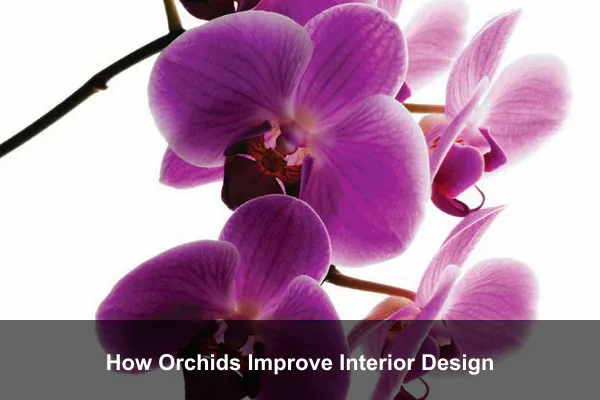
Orchids are valuable in interior styling because they combine structure and softness. The leaves are usually simple and tidy, while the flowers create height, color, and movement. This balance makes orchids easy to use in modern, tropical, classic, or minimalist rooms.
Where to Place Orchids Indoors
Good orchid placement is both aesthetic and practical. The plant should be visible enough to enjoy, but it also needs the right light and airflow. A bright windowsill with filtered light is often ideal, especially near an east-facing window or a shaded south-facing window.
- Place orchids where they receive bright, indirect light.
- Avoid harsh afternoon sun that can burn the leaves.
- Keep plants away from heating vents and cold drafts.
- Use a stable pot so flower spikes do not tip over.
- Allow enough airflow around leaves and roots.
Best Rooms for Orchid Plants
Orchids can work in many rooms, but they perform best where light, humidity, and temperature are balanced. Living rooms, home offices, bathrooms with windows, and bright bedrooms are common choices. A bathroom can be suitable if it has enough natural light, because orchids often appreciate moderate humidity.
Essential Orchid Care Information
The most important orchid care rule is simple: orchids do not like sitting in soggy potting material. Many failures happen because the plant is treated like a regular houseplant in soil. Most indoor orchids prefer a loose bark mix, excellent drainage, and watering only after the medium begins to dry.
Light Requirements
Orchids usually need bright, indirect light. If the leaves are very dark green, the plant may not be receiving enough light to bloom. If leaves become yellow, scorched, or reddish, the plant may be getting too much direct sun. Healthy orchid leaves are often medium green and firm.
Watering Tips
Watering depends on the potting medium, pot size, humidity, and temperature. In many homes, watering once every 7 to 10 days may work for Phalaenopsis orchids, but it is better to check the roots and medium instead of following a strict calendar.
- Water thoroughly, then let excess water drain completely.
- Do not leave the pot standing in water.
- Check that bark mix is nearly dry before watering again.
- Use room-temperature water when possible.
- Avoid letting water sit in the crown of the plant.
Humidity and Airflow
Orchids appreciate moderate humidity, but humidity should come with airflow. A humid room with stagnant air can encourage fungal issues. If your home is dry, use a humidity tray, group plants together, or place the orchid in a naturally brighter, slightly humid room.
Potting Mix and Repotting
Most common orchids grow best in orchid bark, bark blends, sphagnum moss, or specialty orchid mix. Repotting is usually needed when the mix breaks down, roots become crowded, or drainage declines. Many orchids benefit from repotting every one to two years.
How to Encourage Orchids to Rebloom
Many people enjoy an orchid while it is blooming, then assume the plant is finished when the flowers fall. In reality, a healthy orchid can bloom again. Reblooming depends on light, temperature, plant maturity, and general health.
After-Bloom Care
Once flowers fade, inspect the flower spike. If it remains green, some growers trim it above a node to encourage a side spike, especially with Phalaenopsis orchids. If the spike turns brown and dry, cut it near the base using clean scissors.
Temperature Cues
Some orchids need a slight temperature drop to trigger flowering. For Phalaenopsis, cooler nights for a short period can help encourage a new flower spike. This does not mean exposing the plant to cold damage. A gentle difference between day and night temperature is enough.
Feeding for Healthy Growth
Orchids do not need heavy feeding, but diluted orchid fertilizer can support leaves, roots, and future blooms. Use a balanced orchid fertilizer according to label directions, often at reduced strength. Over-fertilizing can damage roots, so restraint is better than excess.
Common Orchid Problems and Simple Fixes
Orchid problems are often signals that light, water, roots, or airflow need adjustment. The plant usually gives clear clues if you observe it closely.
Wrinkled Leaves
Wrinkled leaves may mean the orchid is dehydrated, but the cause can be underwatering or root damage from overwatering. Check the roots. Healthy roots are firm, while rotten roots are mushy, hollow, or dark.
Yellow Leaves
One yellow lower leaf can be normal aging. Several yellow leaves may indicate too much light, watering stress, poor drainage, or root problems. Look at the whole plant before deciding what to change.
No Flowers
If an orchid grows leaves but does not bloom, it may need brighter indirect light, better feeding, or a mild temperature cue. Patience is also important because orchids bloom in cycles, not continuously.
Bud Drop
Bud drop happens when developing buds fall before opening. Causes can include sudden temperature changes, drafts, low humidity, underwatering, overwatering, or moving the plant to a very different environment.
Are Orchid Plants Good for Beginners?
Yes, orchids can be good for beginners if the right type is chosen. A Phalaenopsis orchid is usually the easiest starting point because it tolerates normal home conditions better than many specialty orchids. The key is learning that orchids need drainage, airflow, and indirect light.
Beginners should avoid buying a plant only because the flowers look perfect. It is better to check the leaves and roots. Look for firm leaves, no foul smell, no standing water, and roots that appear plump rather than mushy.
Beginner Buying Checklist
- Choose a plant with several unopened buds for longer bloom time.
- Inspect leaves for spots, pests, or severe yellowing.
- Check that the pot has drainage holes.
- Avoid plants sitting in water inside decorative sleeves.
- Pick Phalaenopsis first if you want the easiest indoor orchid.
Safety, Allergies, and Practical Considerations
Orchids are mainly ornamental plants and should not be treated as edible or medicinal unless you are working with a clearly identified edible species and expert guidance. Some orchid-related products, such as vanilla, come from orchids, but this does not mean ordinary decorative orchids should be eaten.
People with fragrance sensitivity should choose low-fragrance orchids, because some types can have strong scents. Also consider fertilizers, pesticides, decorative moss, and potting material if the plant is placed near children or pets.
Conclusion
Orchid plant benefits and information go far beyond attractive flowers. Orchids bring long-lasting natural decoration, symbolic meaning, compact beauty, and a rewarding care routine into indoor spaces. They are especially valuable for people who want a flowering plant that feels elegant, space-saving, and suitable for home or office display.
The secret to success is understanding how orchids naturally grow. Give them bright indirect light, excellent drainage, moderate humidity, and patient after-bloom care. With the right approach, an orchid is not a disposable flower arrangement but a living ornamental plant that can bloom again and remain part of your space for years.
