
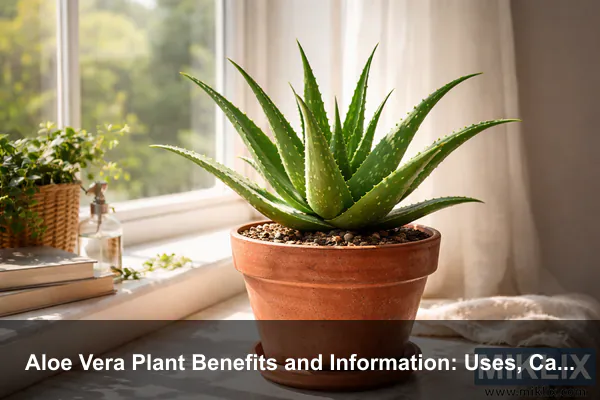
Aloe Vera plant benefits and information are popular for good reason: this hardy succulent is attractive, useful, and easy to grow in many homes. Known for its thick, fleshy leaves and soothing clear gel, aloe vera has been used in skincare routines, traditional home remedies, and low-maintenance indoor gardening for generations.
Still, aloe vera is more than a plant you keep on a sunny windowsill. To use it well, you need to understand what the gel can realistically do, how the plant grows, what safety limits matter, and how to keep it healthy. This guide explains the most important aloe vera benefits, practical uses, care tips, harvesting steps, and cautions in a clear, helpful way.
What Is the Aloe Vera Plant?
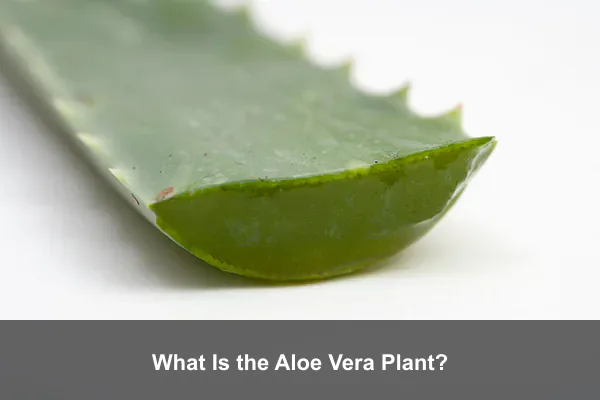
Aloe vera is a perennial succulent often labeled as Aloe barbadensis Miller. It stores water in thick, spear-shaped leaves, which makes it well adapted to dry conditions and occasional neglect. The leaves grow in a rosette pattern, usually with soft teeth along the margins and a gel-filled interior.
Because aloe vera is both useful and decorative, it fits several gardening roles. It can be an indoor plant, an outdoor container plant in warm climates, a beginner-friendly succulent, and a traditional herbal plant. Mature plants may produce offsets, commonly called pups, which can be separated and replanted.
Key Aloe Vera Plant Benefits
The most recognized aloe vera plant benefits are connected to its inner leaf gel, but the living plant also offers value in the home and garden. Its benefits are best understood as practical support, not as a cure-all.
Soothing Support for Minor Skin Irritation
Aloe vera gel is widely used on minor sun exposure, dry skin, small scrapes, and mild irritation. Its cool texture can feel calming, and many people use it after shaving or after spending time outdoors. For best results, apply only clean inner gel to intact or mildly irritated skin, and avoid deep wounds, infected areas, or severe burns.
Natural Moisture for Simple Skincare
The clear gel has a light, watery feel that can help skin feel hydrated without heaviness. It is commonly found in lotions, gels, after-sun products, shampoos, and face masks. People with sensitive skin should do a patch test first because natural products can still cause irritation or allergy.
A Low-Maintenance Indoor Plant
Aloe vera is valuable as a houseplant because it does not require frequent watering. It prefers bright light, a draining pot, and dry soil between waterings. This makes it useful for busy plant owners, beginners, and small indoor spaces where simple care matters.
Useful Plant for Home Learning
Aloe vera is also a great educational plant. Children and beginner gardeners can observe succulent leaves, plant pups, root growth, and water-storage adaptations. It demonstrates how plants survive dry environments without needing complicated equipment.
Aloe Vera Gel, Latex, and Leaf Information
One of the most important pieces of Aloe Vera plant benefits and information is the difference between gel and latex. The gel is the clear, slippery material inside the leaf. The latex is a yellowish sap found near the rind. These two parts should not be treated as the same thing.
The inner gel is the part most often used topically. Aloe latex, on the other hand, contains strong laxative compounds and can cause abdominal cramps, diarrhea, and other side effects when taken by mouth. Authoritative health sources such as the National Center for Complementary and Integrative Health caution against unsafe oral use, especially of aloe latex.
- Clear gel: commonly used on skin in small amounts.
- Yellow latex: found under the rind and not recommended for casual home use.
- Green rind: protective outer leaf layer, usually removed before using gel.
How to Grow and Care for Aloe Vera
Aloe vera care is simple when you remember that it is a succulent, not a tropical foliage plant. Too much water is usually more dangerous than too little.
Light Requirements
Place aloe vera in bright, indirect light or several hours of gentle sun. A south- or west-facing window is often suitable indoors, but harsh direct afternoon sun through glass can scorch leaves. Outdoors, introduce the plant gradually to stronger sunlight.
Watering Tips
Water deeply, then let the potting mix dry before watering again. In warm seasons, this may mean watering every two to three weeks, depending on pot size and climate. In winter, watering should be reduced because the plant grows more slowly.
Soil and Potting
Use a cactus or succulent mix, or improve regular potting soil with coarse sand, pumice, or perlite. The pot must have drainage holes. Aloe vera sitting in wet soil can develop root rot, soft leaves, and a sour smell from the potting mix.
Temperature and Feeding
Aloe vera prefers warm conditions and should be protected from frost. Indoors, average household temperatures are usually fine. Fertilizer is rarely necessary, but a diluted succulent fertilizer once in spring can support growth.
How to Harvest Aloe Vera Gel Safely
Harvesting aloe vera is simple, but cleanliness matters. Choose a mature outer leaf because it contains more gel and removing it does less harm to the plant.
- Wash your hands, knife, and cutting board.
- Cut one outer leaf close to the base of the plant.
- Stand the leaf upright for several minutes so yellow latex can drain away.
- Trim off the spiny edges and remove the green rind.
- Scoop out only the clear inner gel.
- Use immediately or store briefly in a clean container in the refrigerator.
Do not apply homemade aloe gel to serious burns, deep cuts, surgical wounds, or infected skin. In those cases, medical care is more appropriate than a home remedy.
Safety Notes and Possible Side Effects
Aloe vera is common, but common does not always mean risk-free. Topical use may cause redness, itching, or burning in some people. Stop using it if irritation appears.
Oral aloe products need extra caution. Aloe latex may be unsafe, and aloe taken by mouth can interact with certain medicines, including diabetes medications, diuretics, and heart medications. Pregnant or breastfeeding people, children, and anyone with kidney disease, digestive disorders, or chronic illness should avoid oral aloe unless advised by a qualified healthcare professional.
For plant care guidance, horticultural sources such as the Royal Horticultural Society emphasize bright light, infrequent watering, and avoiding soggy compost.
Common Aloe Vera Problems
Most aloe vera problems come from water, light, or potting conditions. The plant often gives visible clues before the issue becomes serious.
- Soft, mushy leaves: usually overwatering or poor drainage.
- Thin, stretched growth: not enough light.
- Brown leaf tips: underwatering, sun stress, or mineral buildup.
- Wrinkled leaves: the plant may need water after the soil has dried.
- White cottony pests: possible mealybugs; remove with alcohol on a cotton swab.
Practical Uses Around the Home
Aloe vera can be used in simple, sensible ways. Keep a healthy potted plant near bright light, harvest a leaf only when needed, and treat the gel as a fresh botanical ingredient.
- Apply a thin layer of clean gel to mild dry patches.
- Use cooled gel after shaving if your skin tolerates it.
- Add the plant to a sunny kitchen, balcony, or workspace.
- Propagate pups as easy gifts for beginner gardeners.
- Use aloe vera as part of a small medicinal plant collection, alongside plants such as mint, lemongrass, or basil.
Conclusion
Aloe vera is a practical, attractive, and beginner-friendly plant with a long history of use. Its clear gel can be helpful for simple topical skincare, while the living plant adds low-maintenance greenery to homes, balconies, and warm gardens.
The best approach is balanced: enjoy the benefits, learn the plant parts, avoid unsafe oral use, and give your aloe the bright light and dry soil it prefers. With basic care and sensible safety habits, aloe vera can be one of the most useful plants to grow at home.
