
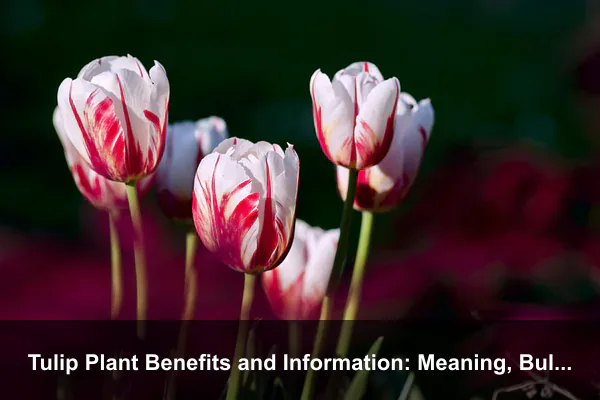
Tulips are among the most recognizable flowering bulbs in the world, admired for their clean cup-shaped blooms, vivid colors, and strong connection with spring. When people search for tulip plant benefits and information, they are usually looking for more than a pretty flower. Tulips can improve garden design, support seasonal routines, brighten indoor spaces as cut flowers, and teach beginner gardeners how bulbs work from planting to dormancy.
Unlike many tropical houseplants or culinary herbs, the tulip is a seasonal bulb plant. Its value comes from timing, color, symbolism, and the joy of seeing bare soil turn into a structured spring display. This guide focuses on a unique angle: how tulips benefit home gardens, small landscapes, containers, and flower arrangements while staying practical about care, climate, safety, and long-term bulb health.
What Makes the Tulip Plant Unique
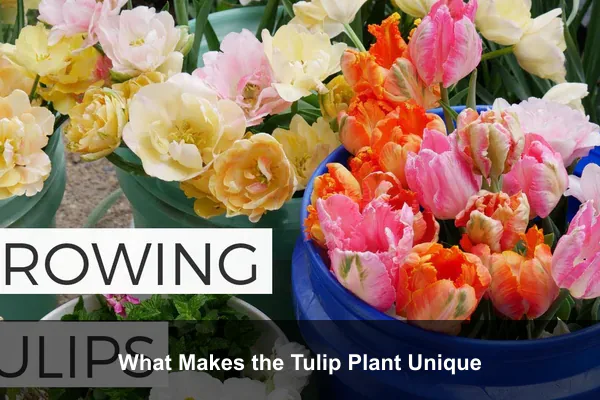
The tulip belongs to the genus Tulipa, a group of bulb-forming flowering plants known for upright stems, smooth leaves, and bold blooms. Most garden tulips are hybrid varieties bred for color, form, height, and bloom season. Their beauty is obvious, but their growth habit is what makes them different from many ornamental plants.
A True Spring Bulb
A tulip bulb stores energy underground. During cool months, the bulb develops roots and prepares for spring growth. When temperatures rise, leaves emerge first, followed by a flower stem and bloom. After flowering, the leaves continue making food for the bulb until they naturally yellow and die back.
This cycle gives tulips a strong seasonal rhythm. They are not plants that look the same all year. Their benefit is concentrated into a dramatic spring show, making them ideal for gardeners who want a clear highlight in the annual garden calendar.
Basic Tulip Plant Information
- Botanical group: Bulb-forming flowering plant in the genus Tulipa.
- Bloom season: Usually early to late spring, depending on variety and climate.
- Light needs: Full sun to light partial shade.
- Soil preference: Loose, well-draining soil with moderate fertility.
- Typical height: Around 6 to 24 inches, depending on cultivar.
- Best use: Garden beds, borders, containers, seasonal displays, and cut flowers.
- Main caution: Bulbs can be toxic if eaten by pets or people.
Tulip Plant Benefits for Gardens and Homes
The benefits of tulips are different from the benefits of medicinal herbs or air-purifying houseplants. Tulips are best understood as ornamental, emotional, and design-focused plants. Their strongest value is the way they transform space at a specific moment of the year.
They Create Strong Seasonal Color
One of the most important tulip plant benefits is reliable spring color. Tulips can appear when many gardens are still recovering from winter. Their flowers come in red, yellow, pink, white, purple, orange, cream, near-black, and many bi-color patterns. This makes them useful for creating a garden that feels intentional before summer perennials take over.
For homeowners, tulips can add curb appeal around walkways, mailboxes, porches, patios, and entrance beds. For small-space gardeners, a single container filled with tulips can provide a polished seasonal focal point without needing a large garden.
They Improve Garden Structure
Tulips grow upright, so they add vertical accents without taking up much ground space. Their clean stems and simple leaves make them easy to combine with other spring plants. Low-growing flowers can cover the base, while tulips rise above them for height and color.
Useful companion plantings include:
- Pansies or violas for low spring color around tulip stems.
- Forget-me-nots for a soft blue contrast beneath pink, white, or red tulips.
- Daffodils for a longer bulb display and a classic spring combination.
- Grape hyacinths for texture and compact color near the soil line.
- Perennial foliage plants that expand later and hide fading tulip leaves.
They Work Well as Cut Flowers
Tulips are popular cut flowers because they bring a fresh, simple look indoors. A vase of tulips can suit many interior styles, from minimal rooms to rustic tables. They also continue to grow slightly after cutting, which gives arrangements a natural, graceful movement.
For the longest vase life, cut tulips when the buds are colored but not fully open. Place them in clean water, remove leaves that would sit below the waterline, and keep the vase away from strong heat or direct afternoon sun.
They Offer Emotional and Visual Wellness Benefits
Plants can influence the mood of a space, and tulips are especially effective because of their color and seasonal timing. After dull weather or a long indoor season, tulip blooms can make a home or garden feel refreshed. Their clear shapes and bright colors create a sense of order, optimism, and renewal.
This does not mean tulips should be treated as a medical solution. Their wellness value is environmental and emotional: they make places more pleasant, encourage people to notice the season, and invite simple routines such as checking buds, watering containers, or arranging fresh stems.
Tulip Meaning, Colors, and Cultural Value
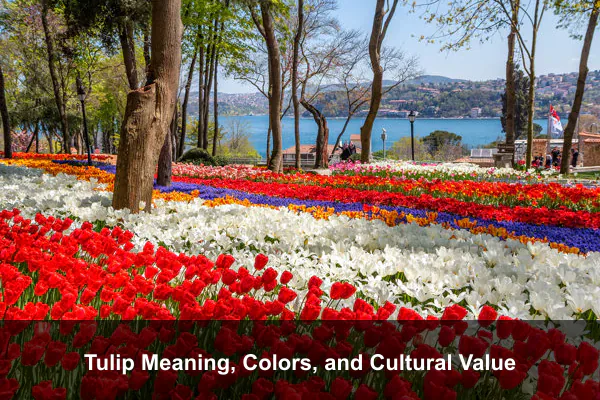
Tulips are not only valued for appearance. They also carry meaning, which makes them popular in gifts, ceremonies, and symbolic gardens. Their meanings vary by culture and color, but they are often linked with affection, elegance, renewal, and spring abundance.
Common Tulip Color Meanings
- Red tulips: Deep affection, romance, and strong emotional expression.
- Yellow tulips: Cheerful energy, friendship, warmth, and optimism.
- White tulips: Simplicity, respect, remembrance, and graceful elegance.
- Pink tulips: Gentle care, appreciation, kindness, and soft beauty.
- Purple tulips: Dignity, admiration, creativity, and a refined garden mood.
- Orange tulips: Enthusiasm, energy, confidence, and bold seasonal design.
These meanings can help gardeners choose tulips for specific places. For example, white tulips near an entry can create a calm and formal look, while mixed yellow and orange tulips can make a patio feel lively. Red tulips can be dramatic in a simple border, especially when planted in groups instead of scattered one by one.
Why Tulips Are Powerful in Design
Tulips have a strong visual language. A mass planting of one color feels formal and elegant. A mixed planting feels casual and joyful. Tall tulips can create rhythm along a path, while shorter varieties can fill containers and front borders. Because the flower shape is simple, color choice becomes especially important.
For a refined look, choose two or three related colors. For a cottage-style effect, mix several colors and bloom shapes. For a modern garden, plant a single variety in repeated blocks. Tulips reward planning because their short bloom season is more impressive when the display has a clear purpose.
How to Grow Tulips Successfully
Growing tulips is not difficult, but success depends on timing and drainage. Many tulip problems come from planting too shallow, watering too much, or placing bulbs in warm, wet soil where they rot before they bloom.
Choose the Right Planting Time
In climates with cold winters, tulip bulbs are usually planted in autumn after the soil cools but before it freezes. The cool period helps trigger proper flowering. In warmer regions, gardeners often buy pre-chilled bulbs or chill bulbs before planting, depending on local conditions.
The goal is to give the bulb enough cool time to develop roots without forcing top growth too early. If your winters are mild, look for tulip varieties recommended for warmer climates or treat tulips as annual seasonal flowers.
Light, Soil, and Drainage
Tulips bloom best in full sun, especially in spring when nearby trees may not have fully leafed out. They can tolerate some light shade, but too much shade may lead to weak stems and smaller flowers. Soil should drain quickly after watering or rain.
Heavy clay soil can be improved by loosening the bed and adding organic matter. Avoid planting tulip bulbs in low spots where water collects. Bulbs need moisture to root, but they dislike sitting in soggy conditions.
Simple Tulip Planting Steps
- Choose firm, healthy bulbs with no soft spots or moldy areas.
- Select a sunny location with well-draining soil.
- Plant bulbs with the pointed end facing upward.
- Set bulbs about two to three times as deep as the bulb is tall.
- Space bulbs close enough for impact but far enough to avoid crowding.
- Water after planting to help settle soil around the roots.
- Add mulch if needed to moderate soil temperature and reduce weeds.
For a stronger visual result, plant tulips in groups of at least 7 to 12 bulbs rather than in a thin line. Larger clusters look more natural and produce a better display from a distance.
Growing Tulips in Pots and Small Spaces
Tulips are excellent for containers because they deliver high impact in a compact area. A balcony, front step, courtyard, or small patio can hold a pot of tulips without needing permanent garden beds. Container growing also gives more control over soil quality and placement.
Container Tips for Healthy Bulbs
- Use a pot with drainage holes.
- Choose a quality potting mix that drains well.
- Plant bulbs close together, but avoid pressing them directly against each other.
- Keep the pot cool during the rooting period.
- Water lightly when the soil is dry, but avoid constant wetness.
- Move the container into a visible spot when shoots and buds appear.
Container tulips may be less reliable as repeat bloomers, especially after a forced or heavily displayed season. Many gardeners treat potted tulips as annuals, then compost the spent plants and start with fresh bulbs next autumn. If you want to save the bulbs, let the foliage ripen fully and store them in a cool, dry, ventilated place after dormancy.
Tulip Care After Blooming
Many people discard tulips as soon as the flowers fade, but after-bloom care matters if you want the bulbs to store energy. The leaves may not look attractive as they yellow, but they are doing important work for the bulb.
Deadhead the Flowers
Once tulip petals drop or the bloom loses its shape, remove the spent flower head. This prevents the plant from putting energy into seed production. Leave the stem and foliage until they naturally turn yellow or brown.
Let the Leaves Finish Their Job
Do not braid, tie, or cut green tulip leaves too early. The leaves collect sunlight and send energy back into the bulb. Removing them too soon can weaken next year’s growth. If fading foliage bothers you, plant tulips near perennials that leaf out later and hide the yellowing leaves.
Decide Whether to Lift or Leave Bulbs
Some tulips return for several years, while others perform best the first spring after planting. Botanical tulips and some species types are often more reliable for naturalizing. Large hybrid tulips may produce smaller flowers in later years, especially in warm or wet climates.
If your soil stays dry in summer and winters are cool, you may leave bulbs in the ground. If your area has wet summers, lifting and storing bulbs may reduce rot. Store only healthy bulbs, and discard any that are soft, damaged, or diseased.
Safety, Allergies, and Practical Cautions
Tulips are beautiful, but responsible plant care includes safety. The main concern is the bulb. Tulip bulbs should not be eaten, and they should be kept away from children and pets that may dig or chew. Ingestion can cause unwanted reactions and should be treated seriously.
Skin Sensitivity
Some people experience skin irritation after handling tulip bulbs for a long time. Wearing gloves during planting is a simple precaution, especially if you have sensitive skin or are planting many bulbs at once.
Pet Safety
Dogs and cats may be curious about bulbs, especially during planting season. Store bulbs securely before planting, and cover newly planted areas if pets like to dig. The flowers and leaves are less concentrated than the bulb, but it is still best to prevent chewing.
Common Growing Mistakes
- Planting too shallow: This can lead to weak anchoring and poor winter protection.
- Overwatering: Constant wetness can rot bulbs.
- Cutting leaves too early: This reduces stored energy for future growth.
- Choosing weak bulbs: Soft or moldy bulbs often fail before blooming.
- Planting in deep shade: Low light can reduce flower quality.
Best Tulip Types for Different Garden Goals
There are many tulip groups, and the best choice depends on your goal. Some are bred for huge flowers, some for early color, some for long stems, and some for naturalizing in suitable gardens.
For Bold Flower Beds
Darwin hybrid tulips are known for strong stems and large flowers. They are often used in formal beds, mass plantings, and landscapes where the flowers need to be visible from the street or walkway.
For Containers
Shorter tulips, early tulips, and double tulips can work well in pots. Their compact size helps them stay balanced in wind, and their flowers are easy to enjoy at close range.
For Natural-Looking Gardens
Species tulips and botanical tulips are often smaller but charming. They may suit rock gardens, edges, and informal plantings. In the right climate and soil, some can return more dependably than large hybrid types.
For Cut Flowers
Look for varieties with strong stems and attractive bud shapes. Single late tulips, triumph tulips, and some Darwin hybrids are commonly chosen for cutting because they hold their form well in arrangements.
Frequently Asked Questions About Tulips
Are tulips easy for beginners?
Yes, tulips are beginner-friendly if you start with healthy bulbs, plant at the right time, and use well-draining soil. The most important skill is understanding that tulips are seasonal bulbs, not year-round foliage plants.
Do tulips come back every year?
Some tulips can return, but many modern hybrids are strongest in their first blooming season. Climate, drainage, variety, and after-bloom care all influence whether they flower well again.
Can tulips grow indoors?
Tulips can be grown indoors through bulb forcing, but they still need a cool period before blooming. They are usually enjoyed indoors as temporary seasonal displays or cut flowers rather than permanent houseplants.
Are tulips useful for pollinators?
Some tulips can provide early-season nectar or pollen, although their pollinator value varies by variety. Single, open flowers are generally more accessible than heavily doubled forms.
Conclusion
Tulips are valuable because they combine beauty, timing, symbolism, and simple garden structure. They may not offer the same practical uses as culinary herbs or evergreen houseplants, but their seasonal impact is powerful. A well-planned tulip display can brighten a garden, improve curb appeal, support spring routines, and bring meaningful color into the home through fresh arrangements.
The key to success is treating tulips according to their nature: plant them as cool-season bulbs, give them sun and drainage, enjoy their short but memorable bloom, and let the foliage recharge the bulb afterward. With thoughtful variety selection and basic care, tulips become more than spring decoration. They become a yearly reminder of renewal, patience, and the quiet benefits of growing flowering plants.
