
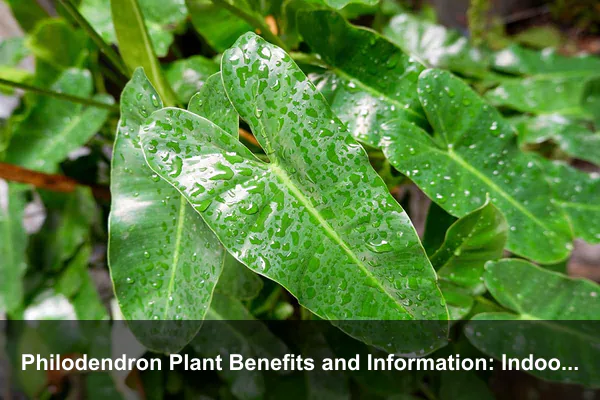
Philodendron plants have earned a place in homes, offices, apartments, and indoor gardens because they combine tropical beauty with practical everyday value. Their glossy leaves, sculptural growth habits, and wide variety of shapes make them more than just decorative houseplants. For many plant lovers, a philodendron is the plant that turns an empty corner, bookshelf, desk, or bright window area into a calmer and more inviting space.
This guide explores Philodendron plant benefits and information from a fresh angle: how this diverse tropical genus supports indoor living, how to choose the right type for your space, how to care for it responsibly, and how to enjoy its beauty without confusing it with similar plants. Unlike common guides that only focus on basic watering, this article looks at philodendrons as adaptable design plants, beginner-friendly companions, and long-term indoor greenery for modern homes.
Philodendrons are popular in the broader world of manfaat tanaman because they offer visual comfort, flexible styling options, and a connection to nature even in small urban spaces. However, like all indoor plants, their benefits are best understood realistically. A philodendron can improve the atmosphere of a room, encourage mindful routines, and soften interior spaces, but it still needs proper light, watering, safe placement, and occasional maintenance.
What Is a Philodendron Plant?
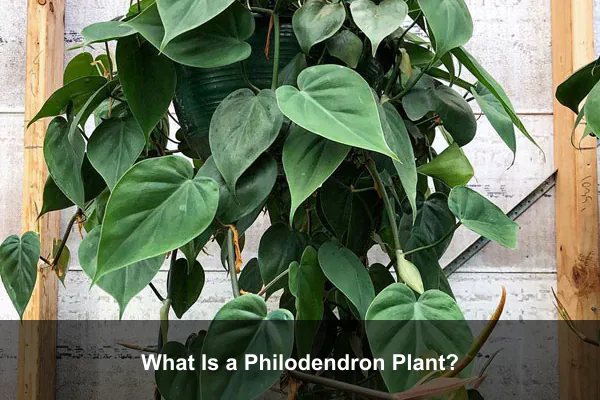
A philodendron is a tropical foliage plant from the Philodendron genus, a large group of plants in the Araceae family. The name comes from Greek roots meaning “tree-loving,” which describes how many species naturally climb, attach to trunks, or grow beneath forest canopies. This natural background explains why many philodendrons adapt well indoors: they are used to filtered light, warm temperatures, and humid environments.
There are hundreds of philodendron species and cultivated varieties. Some grow as trailing vines, while others form upright, self-heading clumps with large dramatic leaves. The leaves may be heart-shaped, deeply lobed, narrow, glossy, velvety, bright green, dark green, red-tinted, or variegated depending on the type.
Common Indoor Philodendron Types
Although collectors may seek rare varieties, many popular philodendrons are suitable for everyday indoor growing. Examples include:
- Heartleaf philodendron: A classic trailing plant with heart-shaped green leaves, often used on shelves or hanging planters.
- Philodendron Brasil: A colorful variety with green and yellow variegation that brightens indoor corners.
- Philodendron Micans: Known for velvety leaves with bronze or deep green tones.
- Philodendron Birkin: A compact plant with striking white pinstripe patterns on dark green leaves.
- Philodendron Rojo Congo: An upright type with broad leaves and reddish stems.
- Philodendron Gloriosum: A crawling species with large velvety leaves and pale veins, often grown by collectors.
This diversity is one of the main reasons philodendrons remain distinct from other indoor plants. While pothos, monstera, peace lily, snake plant, and spider plant each have their own appeal, philodendrons stand out because the genus offers so many different forms for different spaces and design goals.
Key Philodendron Plant Benefits for Indoor Spaces
The benefits of philodendron plants are not limited to appearance. Their value comes from a combination of visual impact, ease of styling, adaptability, and the calming routine they bring to indoor life. For people who want houseplants that feel lush without demanding complicated care, philodendrons are a practical choice.
1. Adds Tropical Beauty Without Needing a Large Garden
One of the most immediate philodendron plant benefits is its ability to bring a tropical atmosphere indoors. The broad, glossy, or trailing leaves create a fresh visual effect that works well in living rooms, bedrooms, offices, balconies, and small apartments. Even a single heartleaf philodendron can make a plain shelf feel more alive.
For people living in cities, philodendrons provide greenery without requiring outdoor soil, a yard, or large garden space. A compact variety can sit on a desk, while a climbing variety can grow upward on a moss pole to create height without taking over the room.
2. Supports a Calmer Visual Environment
Indoor plants are often associated with relaxation because they soften hard surfaces, add organic shapes, and make rooms feel less sterile. Philodendrons are especially useful for this because their leaves create a flowing, natural look. A trailing philodendron can reduce the visual harshness of shelves and cabinets, while an upright philodendron can balance modern furniture with broad natural texture.
This does not mean philodendrons are a cure for stress or a medical solution. Their benefit is environmental and emotional: they make spaces feel more comfortable, which can support a calmer daily routine.
3. Encourages Mindful Plant Care Habits
Many people enjoy philodendrons because they provide a manageable introduction to plant care. Checking soil moisture, rotating the pot, wiping leaves, and watching new growth can become simple weekly rituals. These small routines help people slow down and pay attention to their surroundings.
Unlike plants that demand constant attention, many philodendrons are forgiving. They may tolerate occasional missed watering better than more delicate tropical plants, as long as the soil does not stay completely dry for too long or become waterlogged.
4. Flexible Styling for Small and Large Rooms
Philodendrons can be styled in several ways, which makes them suitable for many homes. Trailing types work well in hanging baskets, wall shelves, bookcases, and high cabinets. Climbing types can be trained on poles, trellises, or vertical supports. Upright types make strong floor plants or table accents.
This flexibility is a major advantage over many houseplants with only one common shape. With philodendrons, you can choose the plant form that fits your room instead of forcing your room to fit the plant.
5. Long-Term Decorative Value
With proper care, a philodendron can live for many years indoors. As it grows, it can be pruned, propagated, trained, or repotted. This makes it a long-term decorative plant rather than a short-lived accent. A well-maintained philodendron can become part of the identity of a room.
Philodendron Care Information for Healthy Growth
Philodendron care is generally straightforward, but it should not be treated as careless care. These plants perform best when their tropical origins are respected. The right balance of light, water, soil, and humidity will help them grow fuller, healthier leaves.
Light Requirements
Most philodendrons prefer bright, indirect light. This means they enjoy a well-lit room but should not sit in harsh direct sun for long periods. Direct afternoon sunlight can scorch leaves, especially on delicate or variegated varieties.
Some green-leaf philodendrons can tolerate lower light, but growth may slow and stems may stretch. Variegated varieties usually need brighter indirect light to keep their color patterns strong. If a plant becomes leggy, produces smaller leaves, or leans strongly toward a window, it likely needs more light.
Watering Needs
Philodendrons prefer evenly moist soil but dislike sitting in soggy conditions. A good rule is to water when the top few centimeters of soil feel dry. The exact schedule depends on pot size, room temperature, light level, soil mix, and season.
Overwatering is one of the most common philodendron problems. Yellowing leaves, soft stems, and constantly wet soil may indicate too much water or poor drainage. Underwatering can cause drooping, dry edges, or curled leaves. The best approach is to check the soil rather than watering only by calendar.
Soil and Potting Mix
A philodendron grows best in a loose, well-draining mix that holds some moisture while allowing air around the roots. Many growers use a houseplant mix improved with orchid bark, perlite, coco chips, or pumice. The goal is to avoid dense soil that stays wet for too long.
Choose a pot with drainage holes. Decorative cachepots are fine, but the inner nursery pot should be able to drain freely. If water collects at the bottom, roots may suffocate and rot.
Temperature and Humidity
Philodendrons prefer warm indoor temperatures, generally similar to comfortable room conditions. They do not like cold drafts, air-conditioning blasts, or sudden temperature changes. Keep them away from frequently opened cold windows, heaters, and direct airflow.
Average household humidity is usually acceptable for common types, but higher humidity can encourage larger, healthier leaves. If your home is very dry, grouping plants together, using a pebble tray, or running a humidifier nearby may help.
Fertilizing
During active growth, philodendrons benefit from a balanced liquid fertilizer applied at a diluted strength. Feeding once a month during spring and summer is usually enough for many indoor plants. Avoid overfertilizing, which can damage roots and cause salt buildup in the soil.
Choosing the Right Philodendron for Your Home
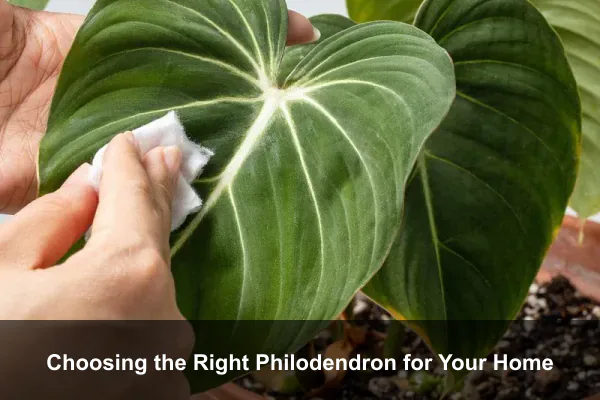
Because philodendrons vary so widely, choosing the right one is more important than simply buying the first attractive plant you see. A plant that matches your light, space, schedule, and safety needs will be easier to keep healthy.
For Beginners
If you are new to houseplants, start with a heartleaf philodendron or Philodendron Brasil. These types are widely available, adaptable, and easier to recover if you make minor watering mistakes. They also grow quickly enough to give beginners a satisfying sense of progress.
For Small Apartments
For compact spaces, choose a trailing philodendron that can grow vertically or downward instead of spreading across the floor. Hanging baskets, wall shelves, and tall plant stands can help you enjoy greenery without sacrificing usable space.
For Statement Decor
If you want a stronger visual feature, consider upright or large-leaf types such as Rojo Congo, Imperial Green, or Gloriosum. These plants can become focal points in a living room, office, or reading corner. Make sure the space can support their mature size.
For Collectors
Collectors often enjoy velvety, variegated, or unusual philodendrons. These plants may require more careful attention to humidity, light, support, and watering. Before buying rare varieties, research their specific needs and avoid purchasing from sources that may encourage unsustainable harvesting.
Philodendron Safety: Pets, Children, and Responsible Placement
Any honest article about Philodendron plant benefits and information must include safety. Philodendrons contain insoluble calcium oxalate crystals, which can irritate the mouth, throat, and digestive system if chewed or eaten. This is especially important for homes with cats, dogs, toddlers, or curious children.
Symptoms after chewing may include drooling, mouth irritation, vomiting, or difficulty swallowing. If a pet or child has eaten part of a philodendron, contact a veterinarian, doctor, or poison control service for guidance.
Safe Placement Tips
You can still enjoy philodendrons responsibly by placing them with care. Consider these steps:
- Keep plants on high shelves, hanging planters, or closed plant stands if pets are curious.
- Do not place trailing vines where children or animals can easily pull them down.
- Wear gloves if your skin is sensitive when pruning or propagating.
- Wash hands after handling cut stems or sap.
- Remove fallen leaves quickly so pets do not chew them.
Safety does not remove the value of philodendrons, but it does shape how they should be used indoors. A beautiful plant is most beneficial when it fits safely into the household.
How Philodendrons Differ from Similar Houseplants
Philodendrons are sometimes confused with pothos, monstera, and other aroids. While they share some care similarities, they are not the same plant. Understanding the difference helps prevent care mistakes and avoids duplicate expectations.
Philodendron vs Pothos
Heartleaf philodendron and pothos can look similar because both may trail and have heart-shaped leaves. However, pothos leaves are usually thicker and waxier, while heartleaf philodendron leaves often feel thinner and softer. New philodendron leaves may emerge from a protective sheath called a cataphyll, while pothos growth looks different at the node.
Care is similar, but philodendrons often prefer slightly more consistent moisture and humidity compared with very tough pothos varieties.
Philodendron vs Monstera
Monstera plants are famous for large split leaves and dramatic fenestrations. Some philodendrons also have lobed or unusual leaves, but they belong to a different genus. Philodendrons offer a broader range of indoor sizes and shapes, from tiny trailing vines to large statement plants.
Philodendron vs Peace Lily
Peace lilies are known for white spathes that look like flowers, while philodendrons are mainly grown for foliage. Philodendrons usually provide more variety in leaf shape and climbing or trailing habits, making them more flexible for interior styling.
Common Philodendron Problems and Simple Fixes
Even easy-care plants can show problems when conditions are not right. The good news is that philodendrons usually give visible signals before decline becomes severe.
Yellow Leaves
Yellow leaves are often linked to overwatering, poor drainage, or natural aging. If only one older leaf turns yellow occasionally, it may be normal. If many leaves yellow at once, check the soil moisture and roots.
Brown Leaf Edges
Brown edges can come from underwatering, low humidity, fertilizer buildup, or inconsistent watering. Flush the soil occasionally, use diluted fertilizer, and keep watering habits steady.
Leggy Growth
Long stems with wide gaps between leaves usually mean the plant needs more light. Move it closer to a bright window with filtered light, or add a grow light if the room is naturally dim.
Pests
Philodendrons may attract common houseplant pests such as spider mites, mealybugs, scale, or fungus gnats. Inspect leaves regularly, especially the undersides and stem joints. Early treatment with insecticidal soap, neem-based products, or manual removal is usually more effective than waiting until pests spread.
Propagation and Pruning for Fuller Plants
One enjoyable benefit of philodendron plants is how easily many types can be propagated. This allows you to create fuller pots, share cuttings, or refresh an older plant.
How to Propagate a Vining Philodendron
- Choose a healthy stem with at least one node.
- Cut below the node using clean scissors or pruning shears.
- Place the cutting in water or moist potting mix.
- Keep it in bright, indirect light.
- Move water-rooted cuttings into soil when roots are several centimeters long.
Not all philodendrons propagate the same way. Upright or rare types may require division, stem cuttings, or more specialized methods. Always research the exact variety before cutting an expensive or slow-growing plant.
Pruning for Shape
Pruning helps control length, remove damaged leaves, and encourage fuller growth. For trailing types, cutting long stems can stimulate branching near the base. Use clean tools and avoid removing too much foliage at once.
Design Ideas for Using Philodendrons Indoors
Philodendrons are not just plants to place randomly near a window. Their shapes can be used intentionally to improve the feel of a room. A trailing philodendron brings movement to shelves, while a climbing philodendron adds vertical interest. A compact patterned variety can brighten a desk without overwhelming it.
Best Placement Ideas
- Bookshelves: Trailing varieties soften straight lines and add a lived-in look.
- Work desks: Compact types such as Birkin provide greenery without taking too much space.
- Living room corners: Upright philodendrons can fill empty areas with tropical foliage.
- Bathrooms with windows: Humidity-loving types may enjoy the extra moisture if light is sufficient.
- Plant walls: Vining types can be trained for a lush vertical effect.
When styling philodendrons, avoid overcrowding the room. The plant needs airflow and access for watering, pruning, and inspection. A healthy plant is always more attractive than a crowded display that becomes difficult to maintain.
Realistic Expectations About Air Quality Claims
Philodendrons are often included in conversations about indoor air and plant benefits. While plants can interact with their environment, it is important to be realistic. A few houseplants will not replace ventilation, air filtration, or proper cleaning. The strongest everyday benefit of philodendrons is their contribution to comfort, visual freshness, and a more natural indoor atmosphere.
For better indoor air quality, combine plants with practical habits: open windows when outdoor conditions are suitable, reduce indoor pollutants, clean dust regularly, and maintain good airflow. Philodendrons can be part of a healthier-feeling home, but they should not be treated as a complete air-purifying system.
Conclusion
Philodendrons are among the most rewarding indoor plants because they offer beauty, variety, flexibility, and manageable care. Whether you choose a simple heartleaf philodendron, a colorful Brasil, a velvety Micans, or a bold upright variety, the plant can bring tropical character and natural softness into your home.
The most important part of understanding Philodendron plant benefits and information is balance. These plants can improve the look and feeling of indoor spaces, encourage mindful routines, and adapt to many design styles. At the same time, they need proper light, careful watering, safe placement around pets and children, and realistic expectations about their benefits.
If you want an indoor plant that feels decorative, adaptable, and engaging over time, a philodendron is an excellent choice. Start with a variety that matches your space and care habits, then let its growth guide you toward a greener and more comfortable indoor environment.
